French Honey
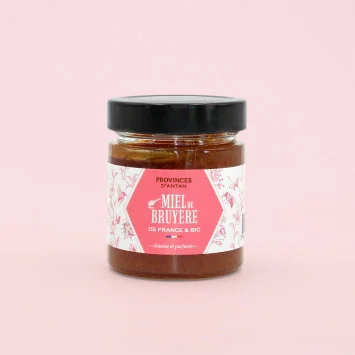
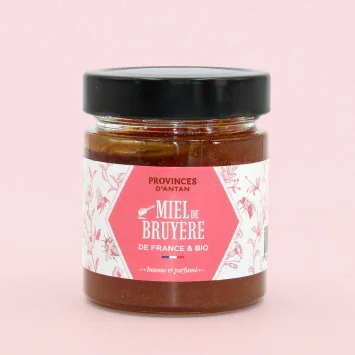
Organic French Heather Honey* 220g jar
Provence d’Antan Organic Honey: Authentic, 100% natural flavors. Perfect for toast, teas, or sweet-and-savory recipes, crafted with respect for bees and the environment.
Filter By
French Honey
Organic French Heather Honey* 220g jar
French Honey
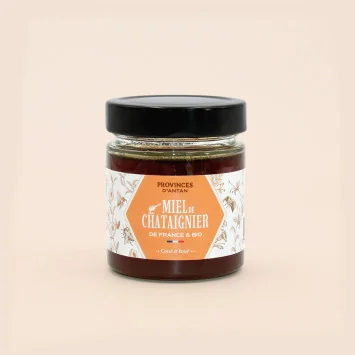
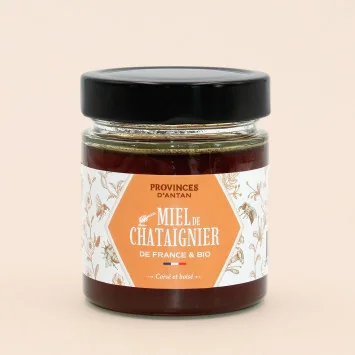
Organic French Chestnut Honey* 220g jar
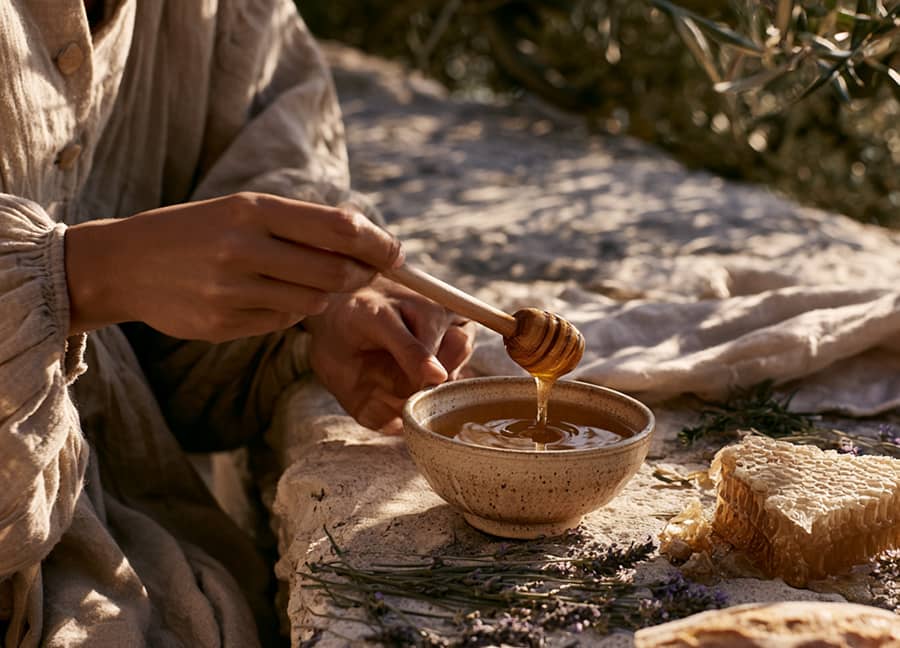
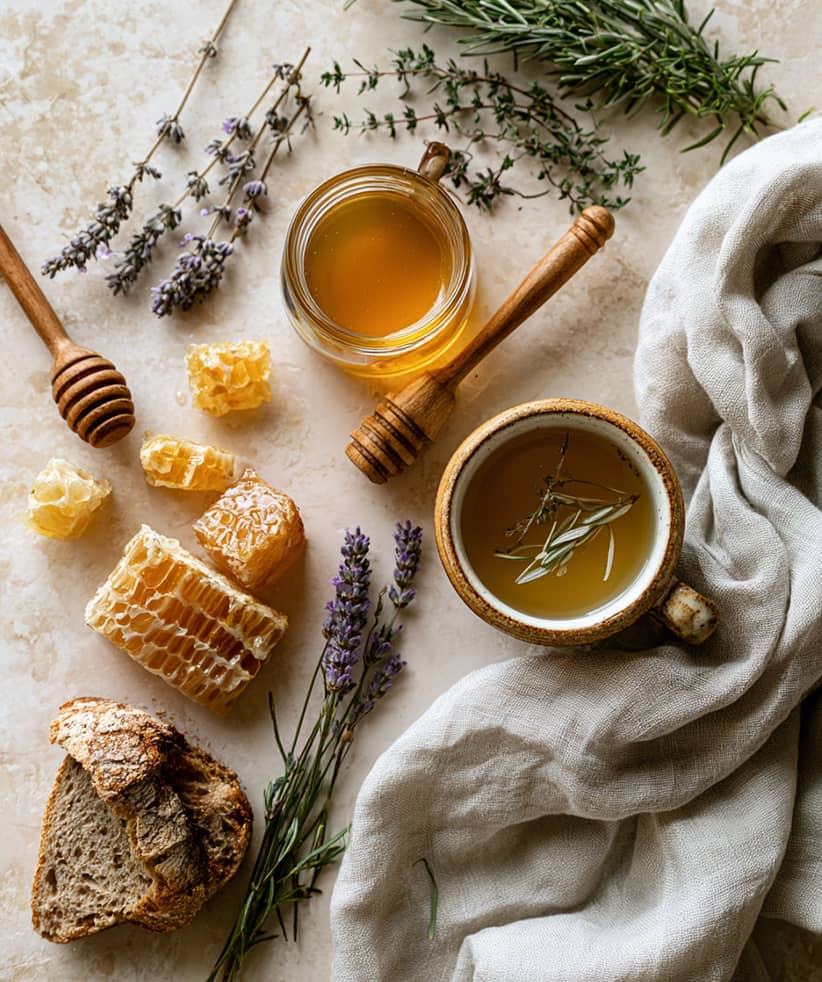
Discover Provence d’Antan organic honeys, a collection with varied textures and characters, selected to accompany the simple pleasures of everyday life.
Acacia, lavender, chestnut, forest, mountain, fir, heather, orange blossom or thyme honey: each variety tells the story of a flowering, a landscape and an origin of its own.
To enjoy on toast, in an infusion or at the heart of a sweet-and-savoury recipe, our honeys invite you to travel from Provence to the forests of France, all the way to Mediterranean lands.
The Provence d’Antan selection is elaborated with care in France.
Light in colour and generally fluid, acacia honey has a mild and delicate profile. It accompanies toast, yoghurts, hot drinks and desserts when a discreet presence is desired.
Closely associated with Provençal landscapes, lavender honey has a floral and generous personality. It naturally finds its place at breakfast, in pastries, with fresh cheese or in an infusion.
More pronounced, chestnut honey is distinguished by a woody profile and a slight bitterness. It is suited to lovers of honeys with character and readily accompanies cheeses, marinades or slices of country bread.
Heather honey offers an intense floral personality and a texture that may be denser depending on the harvest. It can be enjoyed simply or paired with indulgent preparations.
From a forest environment, this honey generally develops deep, woody and less floral notes. It accompanies rustic breads, cheeses and sweet-and-savoury recipes.
Its character depends on the blossoms found in its harvesting area. It may reveal a floral, botanical or more full-bodied profile, offering a rich and nuanced tasting experience.
Dark and intense, fir honey presents woody and resinous notes. Its personality is suited to toast, cheeses and recipes that call for an expressive honey.
Mild and floral, orange blossom honey evokes Mediterranean orchards. It pairs well with desserts, yoghurts, fruits, hot drinks and citrus pastries.
Greek thyme honey has a distinctive Mediterranean profile, both botanical and floral. It can be enjoyed on bread, in a marinade, with cheese or in a sweet-and-savoury preparation.
At Provence d’Antan, choosing a honey begins with respecting what makes it unique: its geographical origin, floral source, texture and natural evolution.
Acacia honey does not tell the same landscape as fir honey. The softness of orange blossom differs from the woody character of chestnut, while lavender immediately recalls the light-filled expanses of Provence.
Our collection therefore brings together honeys from France and honeys from other Mediterranean terroirs. Each origin is clearly indicated, without suggesting that the entire selection is French.
References presented as organic* comply with the organic agriculture rules applicable to beekeeping. This certification does not mean that all honeys have the same origin or profile: it regulates their production method and control.
For a mild and discreet flavour, choose acacia or orange blossom honey. For a more pronounced tasting experience, choose chestnut, forest, fir or thyme honey.
Some honeys naturally remain liquid for longer, while others crystallise more quickly. This evolution depends in particular on their natural composition and storage temperature.
For toast and yoghurts, above all choose a texture that is pleasant to spread. In an infusion, favour a honey whose character complements that of the plants. In cooking, adapt the intensity of the honey to the other ingredients in the recipe.
The provenance is indicated on each product sheet. The category brings together French honeys, as well as honeys from Spain or Greece. For an exclusively French selection, favour the “French Honey” selection.
Mild honeys are suited to desserts, fruits and drinks. More intense honeys can accompany cheeses, marinades, sauces and roasted vegetables.
Honey can be enjoyed on its own on a slice of fresh, toasted or country-style bread. A mild honey leaves more room for the flavour of the bread, while a woody honey offers a more intense tasting experience.
Add the honey after infusion, once the drink is ready to be enjoyed. Start with a small spoonful, stir, then adjust according to your preferences.
A spoonful of honey brings a floral or woody note depending on the variety chosen. You can pair it with fresh fruit, nuts or seeds.
Honey can be used in cakes, biscuits, gingerbread, granolas and roasted fruits. When it replaces all or part of the sugar in a recipe, it may modify the texture and moisture of the preparation.
Combine honey with oil, vinegar or citrus juice, then add the spices and herbs indicated in the recipe. Thyme, chestnut or forest honey is well suited to marinades with character.
Mild honeys accompany fresh and creamy cheeses. More intense honeys create an interesting contrast with mature, blue-veined or hard cheeses.
A honey for every moment
Mild, floral, woody or more intense: explore our collection and find the honey that reflects you.
Button: Discover our organic honeys
Place fresh goat’s cheese on a slice of bread, add a drizzle of lavender honey and a few herbs according to your taste.
Mix a small quantity of thyme honey with olive oil, then spread it over carrots, squash or sweet potatoes before cooking.
Mix acacia honey with vinegar, mustard and oil. Its softness makes it possible to create a balanced vinaigrette for salads and raw vegetables.
Add a light drizzle of honey over apples before placing them in the oven. The woody character of chestnut contrasts with the softness of the fruit.
A small spoonful of orange blossom honey delicately accompanies a floral, fruity or citrus infusion.
The category brings together several origins:
These indications must remain aligned with the information for each batch and each label. To know the exact origin of a honey, always consult its product sheet and packaging.
Regulations require the country or countries of origin of the honey to be indicated on the labelling. The DGCCRF details the rules applicable to honey labelling.
Keep honey in its tightly closed jar, in a dry place, at room temperature and away from light. Use a clean, dry spoon so as not to introduce humidity.
Crystallisation is a natural evolution. It does not mean that the honey has deteriorated. If you prefer a more fluid texture, gently warm the jar in a bain-marie, without excessive heat.
Honey remains a sweet product and should be consumed with measure as part of a varied diet.
Never give honey to a child under twelve months old, even in small quantities or incorporated into a preparation. This precaution is intended to prevent infant botulism and applies to all honeys, whatever their origin. Consult the ANSES recommendation.
Organic honey* comes from beekeeping that meets the requirements of organic regulations. These rules notably govern hive management, their environment, bee feeding and authorised treatments. Certification is subject to checks by an approved body.
Certification can be identified through the organic logo and the regulatory mentions shown on the label. Also check for the certifying body code and the geographical origin of the honey.
Choose it according to its floral origin, intensity, texture and intended use. A mild honey is suited to delicate drinks and desserts; a more woody or botanical honey accompanies cheeses, marinades and sweet-and-savoury recipes.
You can buy organic honey from an online shop that clearly indicates the variety, country of origin, weight, certification and regulatory information. Provence d’Antan presents these elements on each product sheet.
No. The collection brings together honeys from France and honeys from other terroirs. The references currently offered notably include orange blossom honey from Spain and thyme honey from Greece.
The French selection currently presented includes acacia, heather, chestnut, forest, lavender, mountain and fir honeys. Always check the origin on the product sheet and label.
“French honey” refers to a geographical origin. “Flower honey” gives information about the botanical origin of the honey. A honey can therefore be both French and derived from a flower or an identifiable floral group.
Monofloral honey has a sufficiently characteristic floral dominance to bear the name of a plant, such as acacia, lavender, chestnut, orange blossom or thyme.
Flower honey comes mainly from flower nectar. Forest honey may have a different origin and profile, with generally darker, woodier and more pronounced notes.
Acacia honey is suited to lovers of softness and fluidity. Lavender or orange blossom honeys offer a floral profile. Chestnut, fir, forest or thyme honey will suit palates looking for more character.
Acacia honey brings discreet sweetness. Orange blossom honey accompanies floral or fruity compositions. Lavender and thyme honeys can create a more distinctive pairing with plants.
Add it when the infusion is ready to be enjoyed. Mix in a small quantity, taste, then adjust in order to preserve the balance between the honey and the plants.
For desserts and fruits, favour a mild or floral honey. For marinades, cheeses and sweet-and-savoury dishes, thyme, forest, chestnut or fir honey offers greater intensity.
Yes, but honey also brings moisture and its own flavour. The replacement can therefore modify the texture, colour and balance of the recipe. It is preferable to adapt the quantities gradually.
Mild honeys pair well with fresh cheeses. Lavender or orange blossom honeys accompany creamy cheeses. Chestnut, forest, fir or thyme honeys create a more intense contrast with mature cheeses.
Crystallisation is a natural evolution linked to the composition of the honey and its storage temperature. Some honeys crystallise quickly, while others, such as acacia, can remain liquid for longer.
Yes, if the jar has been properly stored and shows no unusual signs. Crystallisation changes its texture, but it does not mean that the honey has deteriorated.
Place the closed jar in a warm bain-marie and let the heat act gradually. Avoid high temperatures and sudden heating, which may alter the taste qualities of the honey.
Keep it tightly closed, in a dry place, at room temperature and away from light. Always use a clean, dry spoon to avoid introducing humidity.
No. Honey is generally stored at room temperature. Cold often accelerates crystallisation and can make its texture firmer.
Honey carries a best-before date. When properly closed and stored, it remains stable for a long time, even if its colour, texture and flavour profile may evolve. Follow the indications shown on the jar.
The colour mainly depends on the floral origin and terroir. It can range from very pale yellow to deep brown. It may also evolve slightly over time.
No. These are different textures, depending on the variety and the natural evolution of the honey. Choosing between liquid, creamy or crystallised honey is above all a matter of tasting preference.
No. No honey should be given to a child under twelve months old, even incorporated into a drink or preparation. This recommendation applies to all honeys.
Honey is produced by bees. It is therefore generally excluded from a vegan diet, although it may be consumed in certain vegetarian diets.
Yes. Honey is mainly composed of naturally occurring sugars, notably fructose and glucose. It should therefore be consumed with measure.
No. Pollen is a hive product distinct from honey. If it appears in this category, it should be clearly identified as such to avoid any confusion.
Choose several floral origins to create a tasting progression: a mild honey such as acacia, a floral honey such as lavender, then a more intense honey such as chestnut, fir or thyme.