Feminine Well-Being Teas
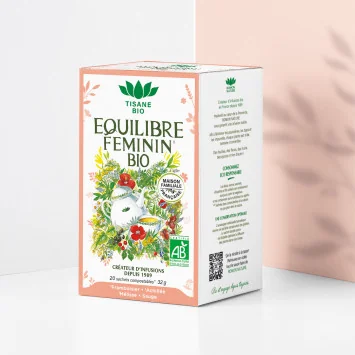
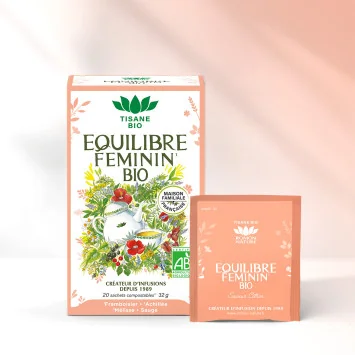
Organic Feminine Balance Infusion
Lemon Balm - Raspberry bush - Yarrow - Sage
Provence d’Antan Organic Raspberry Leaf Tea: A natural infusion to support women at every stage of life. Enhance your hormonal balance and feminine well-being with the soothing and balancing properties of organic raspberry leaf.
Filter By
Feminine Well-Being Teas
Organic Feminine Balance Infusion
Lemon Balm - Raspberry bush - Yarrow - Sage
Feminine Well-Being Teas
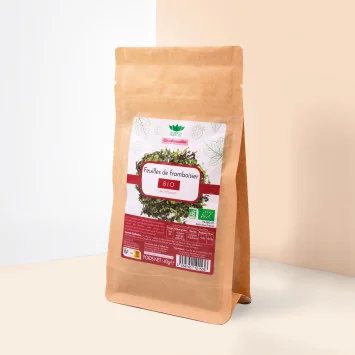
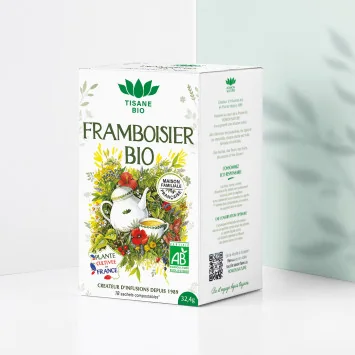
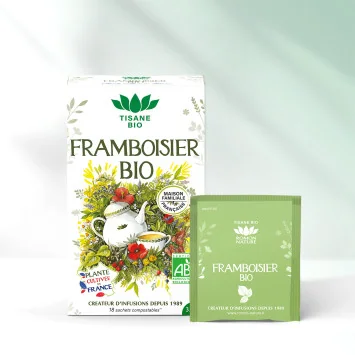
Organic Raspberry Leaf - 40gr
Herbal Teas
Organic Raspberry Leaf Tea *
Raspberry bush
A vegetal infusion with gentle, herbal notes, elaborated in France
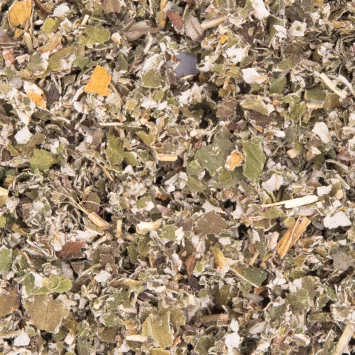
Raspberry leaf (Rubus idaeus) is a plant traditionally used in European herbalism. Its leaves have been appreciated for generations for their place in women’s rituals and for their gentle, vegetal flavour, with lightly herbal notes.
Carefully elaborated in France, this herbal tea celebrates an emblematic plant of herbalism dedicated to women. Its infusion accompanies the different moments of women’s lives while offering a delicate and natural tasting experience.
Both authentic and refined, this plant fits easily into a daily routine of well-being and hydration.
Raspberry leaf is a plant traditionally used for women’s well-being.
Raspberry leaf contributes to comfort during the menstrual cycle.
This infusion naturally contributes to daily hydration.
Its aromatic profile is gentle, vegetal and lightly herbal.
Its use requires compliance with the recommended usage instructions.
Raspberry Leaf (Rubus idaeus)
Raspberry leaf contributes to comfort during the menstrual cycle.
Raspberry leaf helps women maintain their well-being during the menstrual cycle.
Uses attributed exclusively to the plant according to the claims listed in the reference table.
At Provence d’Antan, raspberry leaf symbolises the transmission of botanical knowledge linked to women’s well-being.
This plant has long accompanied herbalist traditions in which the leaves were prepared as an infusion for women. Its delicate vegetal profile and simplicity make it a natural ally for everyday rituals.
According to Your Preferences
To discover traditional women’s plants
Raspberry leaf is one of the best-known plants in women’s herbalism.
For a gentle infusion
Its delicate vegetal profile easily accompanies everyday life.
For a well-being routine
It naturally finds its place in regular consumption habits.
According to the Time of Day
In the morning
To include a traditional plant in your routine.
During the day
To accompany a vegetal break.
In the evening
To extend a moment of calm and relaxation.
According to Frequency of Consumption
Occasionally
According to individual needs and habits.
As part of a regular routine
In compliance with the recommended usage instructions.
Recommended Preparation
1 to 2 g of leaves per cup
Simmering water
Infuse for 5 to 10 minutes
Cover during infusion
Follow the recommended dosage indicated on the packaging.
In a cup
To fully appreciate its vegetal notes.
In a teapot
To accompany moments of relaxation throughout the day.
Include this herbal tea in a regular tasting routine.
Prepare a freshly made infusion to preserve the quality of the leaves.
Use low-mineral water to reveal the plant’s vegetal nuances.
Alternate plants throughout the seasons to vary tasting pleasures.
Not recommended for pregnant or breastfeeding women without professional advice.
In case of medical treatment or a specific situation, seek advice from a healthcare professional.
Follow the recommended dosage.
In case of doubt, seek advice from a healthcare professional.
Plant-based infusions are not a substitute for a varied diet, a balanced lifestyle or medical treatment.
Provence d’Antan raspberry leaf herbal tea celebrates raspberry leaf, a plant with a gentle, vegetal and lightly herbal taste. Elaborated in France, it accompanies everyday breaks with a simple, natural and delicate cup. A simple plant infusion, naturally caffeine-free when it does not contain tea, to be enjoyed during the day or in the evening.
Raspberry leaf comes from a plant known for its fruit, but its leaves can also be used in infusions. Raspberry leaf herbal tea offers a gentle, vegetal and lightly herbal cup. At Provence d’Antan, it is elaborated in France to offer a simple, natural tasting experience, true to the world of herbalist plants.
Raspberry leaf herbal tea has a vegetal, gentle, lightly herbal and sometimes subtly tannic taste. It does not taste like fruity raspberry: the leaves are infused, not the fruit. Its profile on the palate is suited to those who enjoy simple herbal teas, only lightly sweet in perception and close to the plant world.
No, raspberry leaf herbal tea does not have the sweet, fruity taste of raspberry. It is prepared with the plant’s leaves, which creates a more vegetal, gentle and herbal cup. For a more fruity-tasting infusion, it is better to choose a recipe combining red fruits, hibiscus, raspberry or other indulgent notes.
A raspberry leaf infusion can be enjoyed during the day, after a meal or during a calm moment. Its vegetal and discreet taste pairs well with simple breaks, without feeling heavy. It can also be included in a varied tasting routine, alternating with other plants such as verbena, linden, chamomile or lemon balm.
Raspberry leaf herbal tea generally does not contain caffeine when it is made only with raspberry leaves or plants that do not include tea. It can therefore be enjoyed at different times of the day. However, it is always advisable to check the exact product composition, especially if the recipe combines several ingredients.
To prepare raspberry leaf herbal tea, pour simmering water over the sachet or leaves, then leave to infuse for the time indicated on the packaging. Covering the cup during infusion helps preserve the delicacy of the vegetal notes. For a balanced tasting experience, follow the recommended dosage to avoid an overly pronounced cup.
Yes, raspberry leaf herbal tea can be enjoyed after a meal to extend the moment with a gentle, vegetal cup that feels only lightly sweet on the palate. It offers a simple alternative to fruity or indulgent infusions. Its discreet profile is particularly suited to those looking for a simple and natural hot drink.
Yes, raspberry leaf infusion can be enjoyed in the evening if it does not contain tea, maté, coffee or naturally stimulating ingredients. Its vegetal and gentle profile fits easily into an end-of-day ritual. For regular consumption, it is best to follow the recommendations indicated on the packaging.
Raspberry leaf offers a gentle, vegetal and lightly herbal cup, while hibiscus gives a more colourful infusion, tangy and fruity in perception. Both plants may belong to the world of vegetal infusions, but they do not create the same sensation on the palate: raspberry leaf is more understated, while hibiscus is livelier and more indulgent.
Raspberry leaf has a vegetal, gentle and lightly tannic taste, while chamomile offers a more floral, rounded and lightly honeyed cup. Chamomile suits those who enjoy gentle, floral notes, while raspberry leaf will appeal more to those looking for a simple, discreet and herbal plant.
Yes, raspberry leaf can be combined with other gentle, floral or fruity plants, depending on the recipe. It pairs well with chamomile, lemon balm, verbena, hibiscus, rose or red fruits. These combinations help round out its vegetal profile or bring it a brighter, more indulgent touch.
As a precaution, pregnant or breastfeeding women should seek advice from a healthcare professional before regularly consuming raspberry leaf herbal tea. This precaution also applies to people undergoing medical treatment, young children, and allergic or sensitive individuals. An e-commerce page should avoid presenting raspberry leaf as a solution related to pregnancy, hormones or the female cycle.
Raspberry leaf herbal tea can be included in a varied tasting routine if the usage recommendations allow it. For daily or prolonged consumption, it is preferable to follow the instructions indicated on the packaging and seek advice in case of pregnancy, breastfeeding, medical treatment or a specific situation.
Raspberry leaf herbal tea should be stored in a dry place, away from light, heat and humidity. It is advisable to close the sachet, box or refill properly after each use in order to preserve the delicacy of the leaves. Avoid placing it near spices or very powerful ingredients.
Choosing Provence d’Antan raspberry leaf herbal tea means savouring a simple, gentle and vegetal plant, elaborated in France in the spirit of a contemporary herbalist’s shop. Its understated and authentic cup accompanies everyday breaks with naturalness, delicacy and refinement. An ideal infusion for exploring plants differently, with curiosity and simplicity.