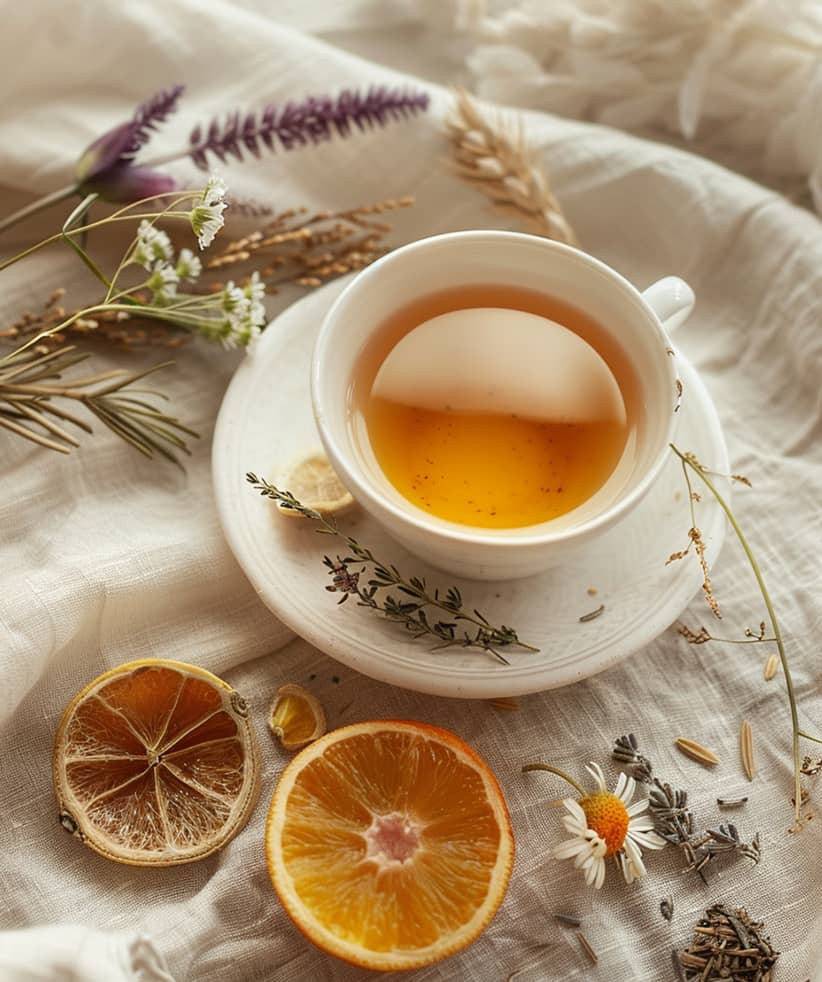
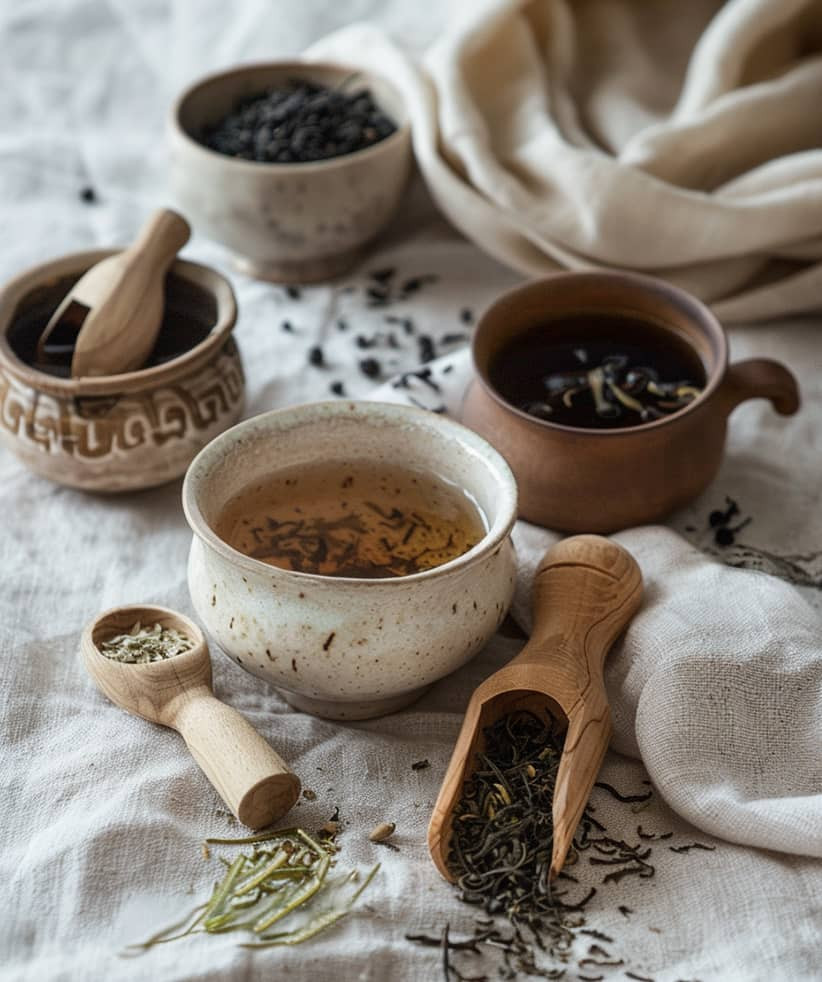
Christmas Teas
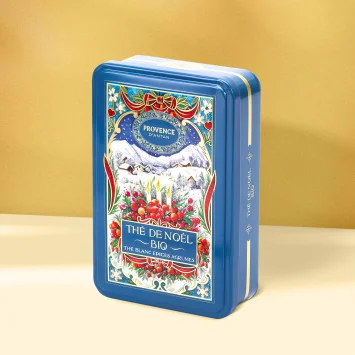
Organic Christmas White Gingerbread Grapefruit Tea*
Cinnamon - Ginger - Orange Peel - Cloves - White Tea
Provence d’Antan Organic White Tea: A light, refined drink rich in antioxidants. Enjoy its subtle flavors and gentle nature, perfect for moments of relaxation.
Filter By
Christmas Teas
Organic Christmas White Gingerbread Grapefruit Tea*
Cinnamon - Ginger - Orange Peel - Cloves - White Tea
Christmas Teas
Vintage Collection Organic Christmas White tea Citrus and Spices*
Cinnamon - Ginger - Orange Peel - Cloves - White Tea
White tea is considered one of the most precious and delicate teas in the world. Made from the young buds and first leaves of the tea plant (Camellia sinensis), it undergoes very little processing after harvesting in order to preserve all its natural finesse.
Appreciated for its soft, floral and airy notes, white tea accompanies the most refined tasting moments.
Elaborated with care in France, Provence d’Antan white teas invite you to discover a subtle experience where elegance, nature and pleasure meet in every cup.
Herbal Tea Gift Sets
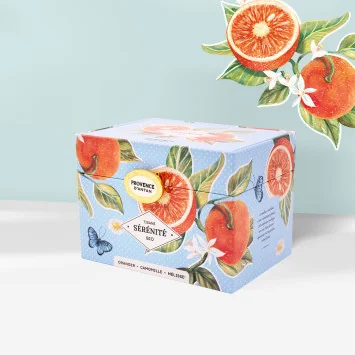
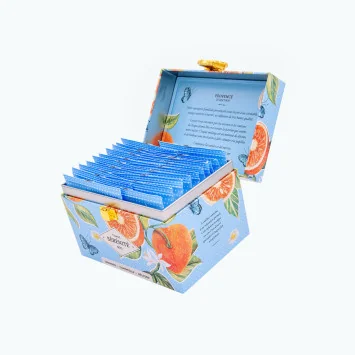
Organic Serenity Herbal Tea*
Lemon Balm - Orange Blossom - German Chamomile
Anti-Stress Herbal Teas
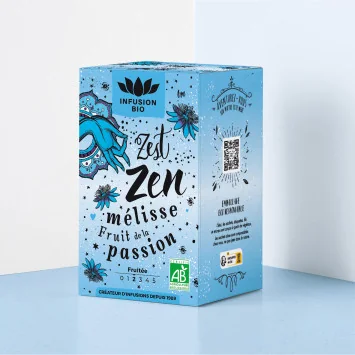
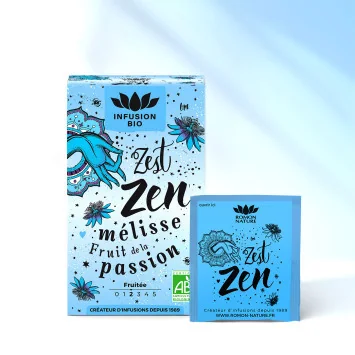
Organic Zest Zen Infusion*
Passionflower - Lemon Balm - German Chamomile
Hemp CBD Tea
Organic Relaxing Hemp Infusion*
Lemon Balm - Verbena - Lavander - Hemp
Better Sleep
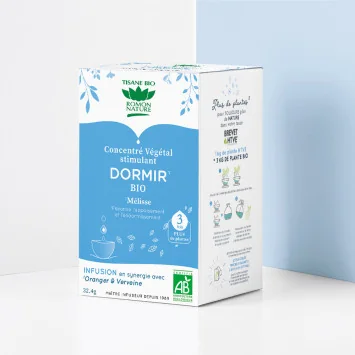
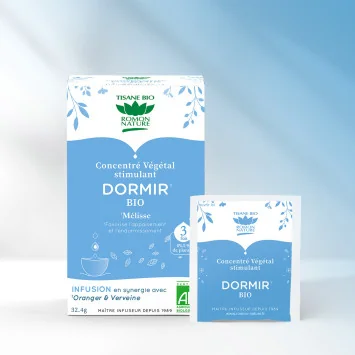
Organic Sleep Better Herbal Tea* – Patented Plant Extraction
Lemon Balm - Orange Blossom - Verbena
Feminine Well-Being Teas
Organic Antioxidant Herbal Tea*
Lemon Balm - Green Tea - Licorice - Rosemary - Meadowsweet
White tea is often sought after for its aromatic delicacy and its particularly meticulous harvesting method. Harvested in spring, the young buds are simply withered and then dried in order to preserve their natural character.
This gentle method creates a light infusion with floral notes, sometimes honeyed or lightly fruity depending on the terroirs.
White tea appeals to lovers of subtle teas who are looking for an elegant, refined and low-bitterness tasting experience.
White Tea (Camellia sinensis)
White tea contributes to protecting cells against oxidative stress.
White tea contributes to lipid metabolism.
White tea contributes to the maintenance of normal cholesterol levels as part of a balanced diet.
The uses are attributed exclusively to the plant Camellia sinensis.
White tea comes from the tea plant (Camellia sinensis).
It is elaborated from young buds and leaves.
It contributes to protecting cells against oxidative stress.
It naturally contributes to daily hydration.
It naturally contains theine.
At Provence d’Antan, white tea represents the search for the essential. Each cup celebrates the purity of the leaf, the delicacy of the gesture and the elegance of passing time.
Its floral and airy notes evoke flowering gardens, luminous mornings and calm moments when we take the time to fully savour the richness of the plant world.
White tea embodies a refined approach to contemporary herbalism, where simplicity and excellence naturally meet.
For a delicate tasting experience
Plain white teas reveal the full finesse of the tea bud.
For a floral experience
Pairings with jasmine, rose or white flowers bring greater softness.
For an indulgent pause
Recipes combined with fruits reveal rounded and elegant notes.
In the morning
To start the day with lightness.
During the day
For a refined and soothing pause.
In the early afternoon
To extend the pleasure of a delicate tasting experience.
Very light
Plain white tea
Floral white tea
Medium
Fruity white tea
Citrus white tea
More sustained
White tea combined with gentle spices
2 g of tea per cup
Water between 70°C and 80°C
Infusion time: 3 to 5 minutes
Water that is too hot may mask the most delicate nuances of white tea.
In a cup
To fully appreciate its aromatic finesse.
In a teapot
To share a gentle tasting moment.
Iced
White tea reveals remarkable freshness when prepared cold.
Use low-mineral water.
Respect a moderate temperature in order to preserve the floral notes.
Taste slowly to appreciate all its aromatic subtlety.
Prepare a carafe of iced white tea during summer.
Pair white tea with fresh fruits or a light pastry.
White tea requires a rigorous selection of young buds and first leaves.
We favour long-term relationships with producers and the different partners in the supply chain, in order to value their work and expertise.
Each processing step aims to preserve the integrity of the leaf and the natural aromatic richness of the tea.
Our creations are elaborated in France and inspired by the meeting point between the great tea traditions and the world of contemporary herbalism.
Provence d’Antan white tea offers a soft, clear and delicately floral cup. Elaborated in France, it accompanies calm daytime pauses with a light, botanical and refined tasting experience. Naturally theinated, it can be enjoyed hot or iced, depending on your preferences, for a simple and elegant ritual around tea leaves.
White tea is a drink prepared from minimally processed tea leaves, appreciated for their finesse and delicacy. It generally offers a clear, soft, botanical and lightly floral cup.
At Provence d’Antan, white tea is elaborated in France to offer a refined tasting experience, faithful to the world of infused leaves and tea rituals.
White tea has a soft, light, floral and subtly botanical taste. It is often less full-bodied than black tea and more delicate than green tea.
Depending on the recipe, it may reveal floral, fruity, honeyed or lightly botanical notes. It is an elegant cup, ideal for those who enjoy fine teas with little bitterness.
White tea is often enjoyed in the morning, late morning or afternoon. As it naturally contains theine, it is preferable to take personal sensitivity into account.
Its softness on the palate makes it an ideal drink for a refined pause, a calm moment or a lighter tasting experience than black tea.
Yes, white tea naturally contains theine, as it is prepared from tea leaves. Its content may vary depending on the recipe, dosage, infusion time and individual sensitivity.
For evening tasting, it is often preferable to choose a theine-free infusion, such as a plant-based herbal tea or rooibos.
White tea and green tea both come from the tea plant, but their processing and tasting profiles differ.
White tea offers a more delicate, floral and light cup. Green tea often has a fresher, more botanical and sometimes more herbaceous character.
Both naturally contain theine.
White tea offers a clear, soft and delicate cup, while black tea provides a fuller-bodied, rounder and deeper tasting experience.
White tea is suited to lovers of fine and subtle teas, whereas black tea will appeal more to those looking for a more intense drink.
Both naturally contain theine.
White tea is prepared from tea leaves and naturally contains theine. Herbal tea is generally made from plants, flowers, fruits, roots or spices, without tea leaves.
The main difference therefore lies in the composition, taste and presence of theine. White tea offers a finer and more floral cup, while herbal tea may be easier to enjoy in the evening.
To prepare white tea, it is recommended to use hot but not boiling water in order to preserve the finesse of the leaves.
Pour the water over the sachet or leaves, then leave to infuse for the time indicated on the packaging. Water that is too hot or an infusion that is too long may intensify bitterness and mask the delicate notes of white tea.
Yes, white tea can be enjoyed after a meal, especially if you are looking for a light, soft and refined drink.
Its discreet profile pairs well with simple desserts, fruits, biscuits or afternoon pauses. In the evening, it is preferable to take its natural theine content into account.
White tea can be consumed in the evening by some people, but it naturally contains theine.
Sensitive individuals may prefer to keep it for the morning or afternoon. For an evening pause, it may be more suitable to choose a theine-free infusion, such as verbena, linden, chamomile, lemon balm or rooibos.
Yes, white tea is very well suited to iced tasting. Prepare a slightly more concentrated infusion, leave it to cool, then place it in the refrigerator.
Served with ice cubes, a few fresh fruits, a slice of lemon or edible flowers according to culinary use, it becomes a fresh, delicate and elegant drink.
For a floral cup, choose a white tea combined with flowers, delicate notes or light compositions.
Recipes with rose, jasmine, orange blossom or soft floral nuances can enhance the finesse of white tea. The aim is to preserve its elegance without masking its natural delicacy.
For a white tea perceived as fruitier, choose a recipe combined with red fruits, citrus fruits, peach, pear or exotic fruits, depending on the available compositions.
White tea provides a light and delicate base that allows fruits to express themselves with softness and freshness.
White tea naturally contains theine. It is therefore recommended that sensitive individuals, pregnant or breastfeeding women, children and people taking medication check the directions for use or seek advice from a healthcare professional.
As with all plant-based drinks, the exact composition of the product should be consulted before regular consumption.
White tea can be included in a daily tasting routine if consumption is adapted to individual sensitivity.
As it naturally contains theine, it is preferable to adjust the quantities and times of consumption. Alternating with theine-free infusions also makes it possible to vary pleasures throughout the day.
White tea should be stored in a dry place, away from light, heat and humidity.
As its leaves are delicate, it is recommended to close the bag, box or refill carefully after each use in order to preserve the finesse of the tasting experience. Avoid placing it near spices or highly fragrant ingredients, as tea can absorb surrounding scents.
Choosing Provence d’Antan white tea means enjoying a delicate, floral and refined cup, elaborated in France in the spirit of contemporary herbalism.
It also means choosing a house attentive to the selection of growing areas, leaf quality, respect for taste, respect for the environment and fair remuneration for producers as well as partners throughout the supply chain, thanks to internal charters followed with care and high standards.