Rooïbos
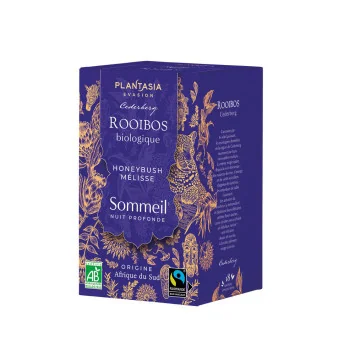
Organic Sleep Infusion Rooibos Lemon Balm, Honeybush
Lemon Balm - Lemon - Rooibos
Provence d’Antan Organic Rooibos: A gentle, caffeine-free infusion perfect for relaxing moments. Enjoy its naturally sweet notes and benefits anytime.
Filter By
Rooïbos
Organic Sleep Infusion Rooibos Lemon Balm, Honeybush
Lemon Balm - Lemon - Rooibos
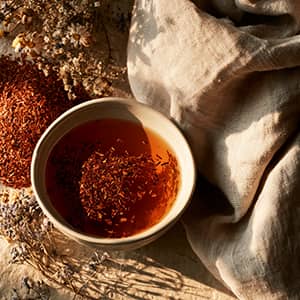
Rooibos (Aspalathus linearis) is an infusion originating from Southern Africa, appreciated for its rounded, naturally soft flavour and its great smoothness on the palate.
Unlike tea, it does not come from the tea plant (Camellia sinensis) and naturally contains neither theine nor caffeine.
Its warm notes, sometimes woody, honeyed or lightly indulgent, make it an ideal drink at any time of day.
Elaborated with care in France, Provence d’Antan rooibos invite you to savour a comforting botanical pause, inspired by nature and the pleasure of tasting.
Herbal Tea Gift Sets
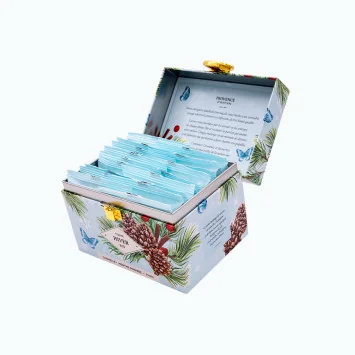
Winter Herbal Tea Bio*
Thyme - Cinnamon - Peppermint
Herbal Tea Gift Sets
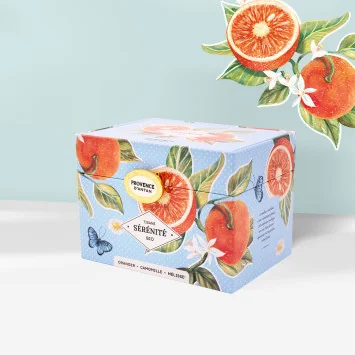
Organic Serenity Herbal Tea*
German Chamomile - Lemon Balm - Orange Blossom
Herbal Tea Gift Sets
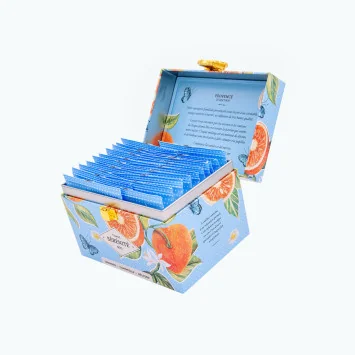
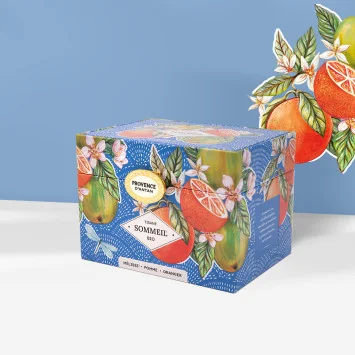
Organic Sleep Herbal Tea*
Lemon Balm - Orange Blossom - Apple
Herbal Tea Gift Sets
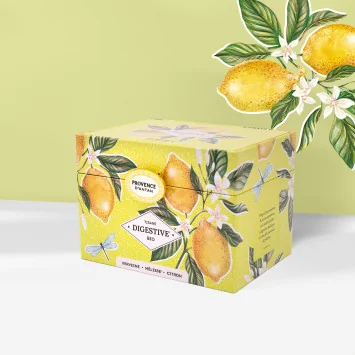
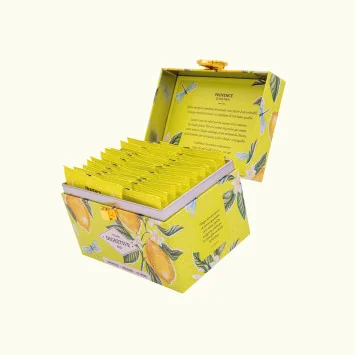
Organic Digestive Herbal Tea*
Verbena - Lemon Balm - Lemon
Herbal Tea Gift Sets
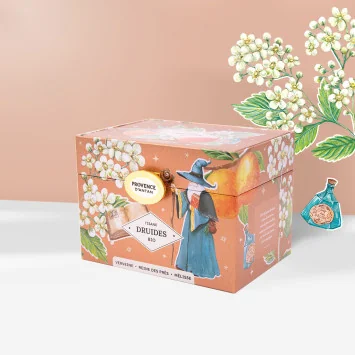
Organic Druid's Herbal Tea*
Meadowsweet - Lemon Balm - Verbena
Rooibos appeals with its natural softness and versatility. Its rounded, warm taste is appreciated both by lovers of infusions and by those wishing to reduce their consumption of drinks containing theine.
Plain, with spices, citrus fruits, fruits or flowers, it provides an ideal base for many indulgent creations. Its naturally soft flavour also makes it enjoyable without added sugar.
Rooibos accompanies both daytime pauses and evening moments of relaxation.
Rooibos (Aspalathus linearis)
Rooibos is traditionally appreciated as an everyday drink for its natural softness and absence of theine.
Rooibos fits easily into hydration rituals throughout the day.
The uses are attributed exclusively to the plant according to the data available in traditional reference sources.
Rooibos comes from the plant Aspalathus linearis.
It naturally contains no theine.
It can be enjoyed from morning to evening.
It naturally contributes to daily hydration.
Its soft and indulgent profile is appreciated by the whole family.
At Provence d’Antan, rooibos embodies softness, comfort and the pleasure of an infusion accessible to all.
Its warm notes offer an ideal playground for indulgent creations combining fruits, flowers, citrus fruits or spices. Each recipe is designed to accompany the small pleasures of everyday life while preserving the authenticity of this unique plant.
Rooibos invites you to slow down, take the time to savour and create a simple ritual around a comforting cup.
For an authentic tasting experience
Plain rooibos reveals its rounded and lightly woody notes.
For an indulgent pause
Recipes combined with vanilla, fruits or spices bring greater generosity.
For a fruity experience
Pairings with citrus fruits, red fruits or exotic fruits offer a refreshing and fragrant tasting experience.
In the morning
For those looking for a naturally theine-free drink.
During the day
To accompany indulgent pauses.
In the evening
To enjoy a warm and comforting infusion.
Soft
Plain rooibos
Floral rooibos
Medium
Fruity rooibos
Citrus rooibos
More sustained
Spiced rooibos
Indulgent rooibos
2 g of rooibos per cup
Water between 90°C and 95°C
Infusion time: 5 to 7 minutes
Rooibos tolerates longer infusions without developing excessive bitterness.
In a cup
To appreciate all its aromatic roundness.
In a teapot
To share a convivial moment.
Iced
Rooibos provides an excellent base for fresh summer drinks.
Prepare a carafe of iced rooibos during the warmer days.
Pair rooibos with fresh fruits or citrus fruits.
Enjoy it in the evening to prolong a moment of relaxation.
Vary the recipes according to the seasons and your preferences.
Use low-mineral water in order to preserve the aromatic quality of the infusion.
We favour ingredients chosen for their aromatic qualities and consistent taste.
We pay particular attention to the relationships established with producers and the different partners in the supply chain, in order to value their know-how.
Each recipe is elaborated to preserve the balance of flavours and the natural aromatic richness of rooibos.
Our creations are elaborated in France and inspired by the meeting point between world traditions and the world of contemporary herbalism.
Provence d’Antan rooibos offers a soft, rounded and naturally theine-free cup. Elaborated in France, it accompanies morning, afternoon or evening pauses with a warm, lightly woody and low-bitterness tasting experience. Plain, fruity, spiced or indulgent depending on the recipes, it can be enjoyed hot or iced, at any time of day.
Rooibos is a plant originating from South Africa, often commonly referred to as “red tea”, even though it does not come from the tea plant.
As an infusion, it offers a soft, rounded, lightly woody and naturally theine-free cup. At Provence d’Antan, rooibos is elaborated in France to offer a botanical, warm and refined tasting experience.
No, rooibos is not a tea in the botanical sense, as it does not come from the tea plant.
It is a different plant, naturally theine-free. It is sometimes called “red tea” because of its amber to reddish colour after infusion, but it belongs more to the world of plant infusions.
Rooibos has a soft, rounded, lightly woody taste that is naturally perceived as sweet. Depending on the recipe, it may reveal honeyed, vanilla, fruity, spicy or cocoa notes.
Its cup is generally low in bitterness, smooth and easy to enjoy, making it a very accessible infusion.
No, rooibos is naturally theine-free. This is one of its great particularities compared with green tea, black tea or white tea, which naturally contain theine.
Rooibos can therefore be enjoyed at different times of day, including in the evening, depending on habits and the composition of each recipe.
Rooibos can be enjoyed in the morning, in the afternoon, after a meal or in the evening.
As it is naturally theine-free, it is particularly suitable for those who wish to avoid theinated drinks at the end of the day. Its soft, rounded taste pairs well with calm pauses, afternoon snacks, simple desserts and cocooning moments.
Yes, rooibos is very well suited to evening tasting, as it is naturally theine-free.
Its soft, rounded and warm cup accompanies end-of-day rituals, reading moments, cocooning pauses or times when you are looking for a smooth, pleasant botanical drink.
“Red tea” is often a name given to rooibos in France, but rooibos is not a true tea.
It does not come from the tea plant and naturally contains no theine. Its amber-red colour recalls certain infused teas, but its taste is softer, rounder and woodier, with generally very low bitterness.
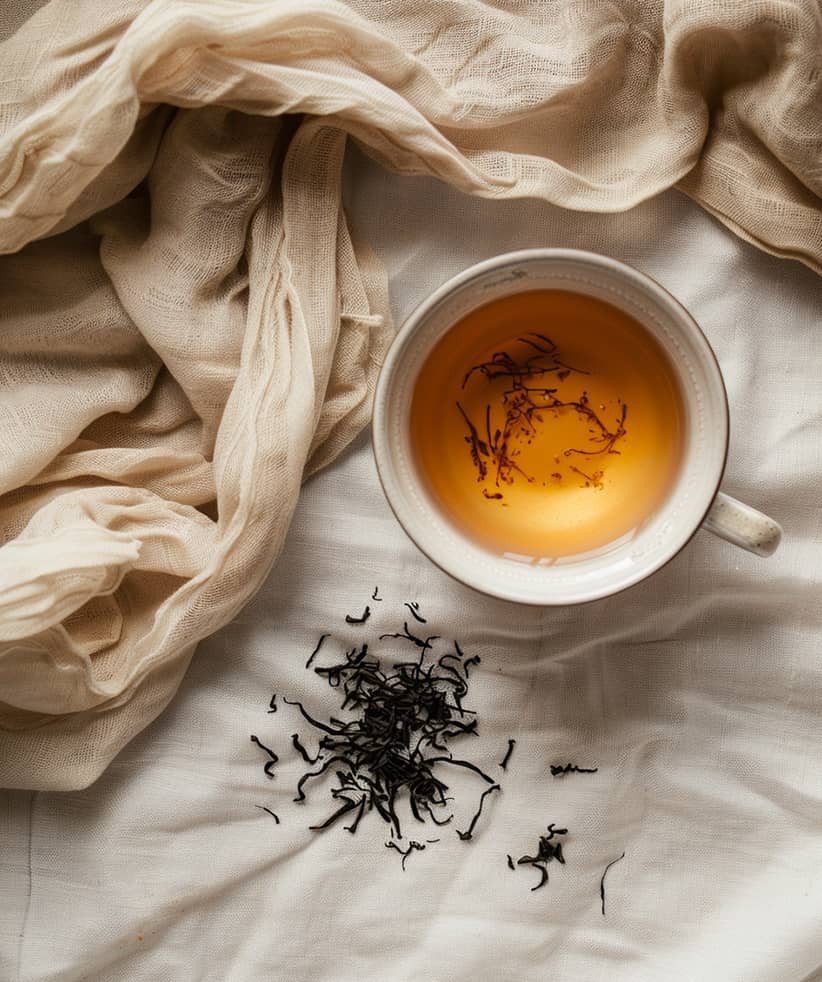
Black tea comes from the tea plant and naturally contains theine. It often offers a full-bodied, deep, malty or woody cup.
Rooibos, on the other hand, is naturally theine-free and offers a softer, rounder and less bitter tasting experience. It is an interesting alternative for those who enjoy characterful hot drinks, but without theine.
Rooibos belongs to the world of plant infusions. Like herbal tea, it does not come from the tea plant and naturally contains no theine.
Its particularity lies in its rounded, lightly woody taste, naturally perceived as soft. It can be enjoyed on its own or combined with fruits, spices, flowers or indulgent notes, depending on the recipes.
To prepare rooibos, pour simmering water over the sachet or leaves, then leave to infuse for the time indicated on the packaging.
Rooibos generally tolerates a slightly longer infusion than some delicate teas, as it rarely becomes very bitter. Respecting the recommended dosage nevertheless makes it possible to obtain a balanced, soft and rounded cup.
Yes, rooibos can be enjoyed after a meal to prolong the moment with a soft, rounded and low-bitterness cup.
It pairs very well with simple desserts, biscuits, cooked fruits or evening pauses. Its natural softness in perception allows it to be enjoyed without added sugar, according to preference.
Yes, rooibos can be prepared very well as an iced version. Prepare a slightly concentrated infusion, leave it to cool, then place it in the refrigerator.
Served with ice cubes, fresh fruits, a slice of orange or a few gentle spices, it becomes a fresh, rounded and original drink, ideal for warmer days.
For an indulgent cup, choose a rooibos combined with notes of vanilla, cocoa, cinnamon, orange, caramel in perception or gentle spices, depending on the available recipes.
The natural roundness of rooibos pairs particularly well with warm, enveloping and comforting compositions.
For a fruity rooibos, choose a recipe combined with red fruits, citrus fruits, peach, mango, apple or hibiscus.
Rooibos provides a soft and woody base that allows fruits to express themselves with indulgence. These recipes can be enjoyed both hot and iced.
Rooibos is naturally theine-free, which makes it a drink often appreciated in households.
However, it is advisable to check the exact composition of each recipe, especially when it contains spices, specific plants or more intense ingredients. For young children, pregnant or breastfeeding women, sensitive individuals or people taking medication, it is preferable to seek advice from a healthcare professional.
Rooibos can be included in a daily tasting routine if the composition of the recipe and the directions for use allow it.
Naturally theine-free, it offers a gentle alternative to tea for varying hot or iced pauses. As with all infusions, the ideal approach is to alternate plants and recipes according to your preferences.
Rooibos should be stored in a dry place, away from light, heat and humidity.
It is recommended to close the bag, box or refill carefully after each use in order to preserve the roundness of the plant and the finesse of the recipe. Avoid placing it near powerful spices or highly fragrant ingredients.
Choosing Provence d’Antan rooibos means enjoying a soft, rounded and naturally theine-free infusion, elaborated in France in the spirit of contemporary herbalism.
It also means choosing a house attentive to ingredient quality, respect for taste, respect for the environment and fair remuneration for producers as well as partners throughout the supply chain, thanks to internal charters followed with care and high standards.