Herbal Tea Gift Sets
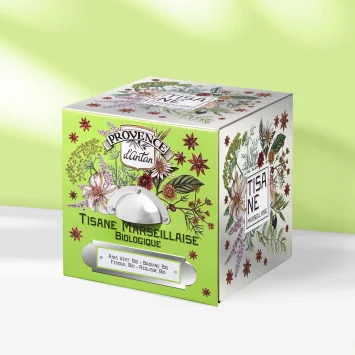
Organic Marseillaise Herbal Tea – Metal Tin
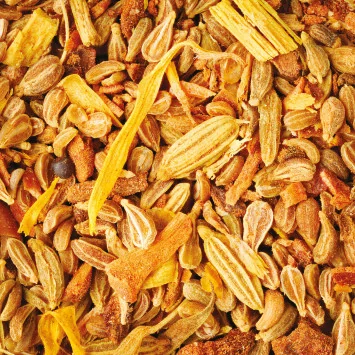
Star Anise - Fennel - Licorice - Green Anise
Provence d’Antan spiced teas combine plants and spices for rich, comforting infusions. Cinnamon, ginger, cardamom, and clove blend to deliver warmth and natural benefits. Perfect hot or iced, these teas create cozy moments for relaxation and enjoyment.
Filter By
Herbal Tea Gift Sets
Organic Marseillaise Herbal Tea – Metal Tin
Star Anise - Fennel - Licorice - Green Anise
Spiced herbal teas with warm and aromatic notes, inspired by herbal traditions and everyday comforting drinks.
Spiced infusions invite you to slow down and savour a warm cup with deep, enveloping notes. Inspired by the traditions of French herbalism, they combine plants, roots and spices to create recipes rich in character and aromatic nuance.
Carefully elaborated in France, these herbal teas blend cinnamon, ginger, cardamom or black pepper to compose infusions with warm and indulgent notes. Certain plants are traditionally used in winter drinks and comforting tasting rituals.
Served hot or iced, spiced infusions naturally accompany a daily hydration ritual, particularly appreciated during the colder seasons.
Spiced infusions combine plants, roots and warm spices.
In herbalism, uses are always attributed to the plants present in the recipe.
Herbal teas naturally take part in daily hydration.
Spiced infusions fit into a cosy and seasonal ritual.
Plants require respect for precautions of use and recommended doses.
Cinnamon (Cinnamomum verum)
Traditionally used in hot drinks for its spicy and warm notes.
Ginger (Zingiber officinale)
Traditionally used to bring a warm, gently spicy flavour to infusions.
Cardamom (Elettaria cardamomum)
Traditionally used in botanical drinks for its fresh and aromatic notes.
Black pepper (Piper nigrum)
Traditionally used in spiced preparations to enhance aromatic notes.
Turmeric (Curcuma longa)
Turmeric contributes to the normal functioning of digestion.
Liquorice (Glycyrrhiza glabra)
Traditionally used to bring natural sweetness to herbal teas.
Clove (Syzygium aromaticum)
Traditionally used in spiced drinks for its powerful and warm notes.
Thyme (Thymus vulgaris)
Traditionally used in aromatic infusions.
At Provence d’Antan, a spiced infusion evokes the meeting of spice warmth, plant richness and the art of the botanical ritual.
It is inspired by fragrant drinks prepared when cool days call for a more enveloping pause. Cinnamon, ginger, cardamom and black pepper come together in elegant recipes where spices converse with aromatic plants.
These infusions are part of a contemporary approach to herbalism: a warm, botanical and sensory tasting experience, designed to accompany the seasons and moments of calm.
Morning
Infusions combining spices with black tea or green tea for a more intense cup.
Afternoon
Indulgent herbal teas with notes of cinnamon and ginger.
Evening
Rounder, more enveloping infusions, dominated by gentle spices.
Warm and powerful notes
Cinnamon, clove, black pepper.
Fresh and spicy notes
Cardamom, ginger.
Round and botanical notes
Turmeric, liquorice.
comforting winter infusion
everyday spiced herbal tea
cosy infusion for cool evenings
botanical ritual inspired by spices
Spiced infusions are particularly enjoyable during the colder seasons.
In the morning
A warm cup with spices to accompany the start of the day.
During the day
A warm and aromatic botanical pause.
In the evening
A softer infusion to accompany a quiet moment.
1 teaspoon of plants per cup
simmering water
infuse for 6 to 10 minutes
cover the cup while infusing
Respect the doses indicated on the packaging.
A few simple gestures can prolong the pleasure of spiced infusions:
prepare a teapot of hot infusion to share
add a twist of orange zest to enhance the spiced notes
make a slightly stronger infusion for a more intense tasting experience
enjoy the infusion in a thick cup to keep it warm
These gestures contribute to a cosy ritual inspired by herbalism and winter traditions.
Not recommended for pregnant or breastfeeding women without professional advice.
Certain plants may present contraindications depending on individual situations.
If taking medication, seek advice from a healthcare professional.
Bee products may cause allergic reactions in some people.
Infusions should not replace a varied diet or medical treatment.
A spiced infusion is a drink made with plants, fruits, roots or spices, whose taste profile highlights the warmth and character of spices. It can contain cinnamon, ginger, cardamom, clove, turmeric, black pepper or other botanical ingredients. At Provence d’Antan, spiced infusions are elaborated in France to offer a warm, balanced tasting experience full of depth.
A spiced infusion offers a warm, intense and often enveloping taste. Depending on the recipe, it can be soft with cinnamon, brighter with ginger, more floral with cardamom or deeper with clove. Some blends are indulgent, others more tonic or woody. The appeal of a spiced herbal tea lies in this balance between strength, roundness and botanical finesse.
A spiced herbal tea is especially enjoyable in autumn and winter, when you are looking for a warm, generous and comforting drink. It also pairs beautifully with the end of a meal, teatime, quiet evenings or cosy moments. Depending on its composition, it can also be enjoyed throughout the year, especially iced, for an original pause full of character.
A spiced infusion generally contains no theine when it is made only with plants, spices, fruits, roots or rooibos. However, some recipes may include green tea, black tea, maté or coffee, which naturally contain theine. For evening enjoyment, it is best to check the composition of each product before choosing your infusion.
Yes, a spiced infusion can be enjoyed in the evening if it does not contain tea, maté, coffee or naturally stimulating ingredients. Recipes made with plants, gentle spices, fruits or rooibos are particularly suited to a warm pause at the end of the day. Their enveloping character pairs beautifully with a moment of relaxation, a book or a cosy evening.
Spiced herbal teas can contain cinnamon, ginger, cardamom, clove, turmeric, black pepper, anise, liquorice or nutmeg, depending on the recipe. Each spice brings a different nuance: cinnamon evokes softness, ginger brings brightness, cardamom adds elegance, and clove offers a deeper intensity.
To prepare a spiced infusion, pour simmering water over the tea bag or loose herbal blend, then let it infuse for the time indicated on the packaging. Spices, roots and peels often need a few minutes to release their full richness. For a more intense cup, you can cover your mug while it infuses to preserve the warm and spicy notes.
Yes, a spiced infusion is often appreciated after a meal for its warm, fragrant and pleasant profile on the palate. It offers an elegant alternative to sweet drinks and prolongs the moment with a sensation of warmth and roundness. Recipes made with cinnamon, ginger, cardamom or anise pair particularly well with desserts, cooked fruits or winter delicacies.
No, spiced infusions are not reserved for winter. They are much appreciated hot during the colder seasons, but they can also be enjoyed iced when the weather is warmer. An infusion with ginger, cardamom or gentle spices can become an original, intense and thirst-quenching cold drink, perfect for a change from more classic fruity infusions.
To prepare an iced spiced infusion, infuse your tea bag in hot water, respecting the recommended time, then let it cool before placing it in the refrigerator. You can prepare a slightly stronger infusion so that the spices remain clearly present once the ice cubes are added. Serve with orange slices, lemon slices or a few fresh fruits for an elegant homemade drink.
For a cosy break, choose a spiced infusion with round and warm notes, such as a recipe made with cinnamon, cardamom, gentle ginger, rooibos or winter fruits. These combinations create a generous cup, perfect with a blanket, a teatime treat or a quiet evening. A Provence d’Antan spiced infusion turns a simple warm moment into a comforting ritual.
Yes, some spiced infusions can be very indulgent, especially when they combine cinnamon, cocoa, apple, orange, rooibos, vanilla or dried fruits. Spices bring depth and warmth, while fruity or cocoa notes add roundness. The result is a generous tasting experience, ideal for lovers of winter herbal teas, warm drinks and enveloping pauses.
A fruity infusion mainly highlights fruit notes, often soft, tangy or indulgent. A spiced infusion stands out through the presence of spices, which bring warmth, intensity and character. The two worlds can meet in the same recipe: apple-cinnamon, orange-ginger or red berries-cardamom, for example, offer much-loved balances.
Yes, a spiced infusion is a beautiful gift idea for lovers of warm drinks, original recipes and cosy moments. Its warm notes often evoke winter, Christmas, homemade teatime treats and relaxing rituals. Elaborated in France, a Provence d’Antan spiced infusion brings an attention that is indulgent, botanical and refined.
Choosing a Provence d’Antan spiced infusion means discovering recipes elaborated in France, inspired by the richness of plants and the warmth of spices. Each cup invites you on a sensory journey through cinnamon, ginger, cardamom, clove or turmeric. It is an elegant way to savour an intense, natural and comforting pause, in the spirit of a modern herbal apothecary.