Organic Slimming Herbal Teas
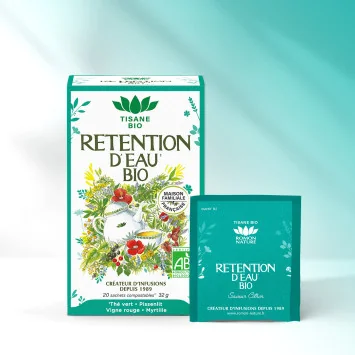
Organic Water Retention Herbal Tea*
Green Tea - Dandelion - Blueberry - Red Vine
Filter By
Organic Slimming Herbal Teas
Organic Water Retention Herbal Tea*
Green Tea - Dandelion - Blueberry - Red Vine
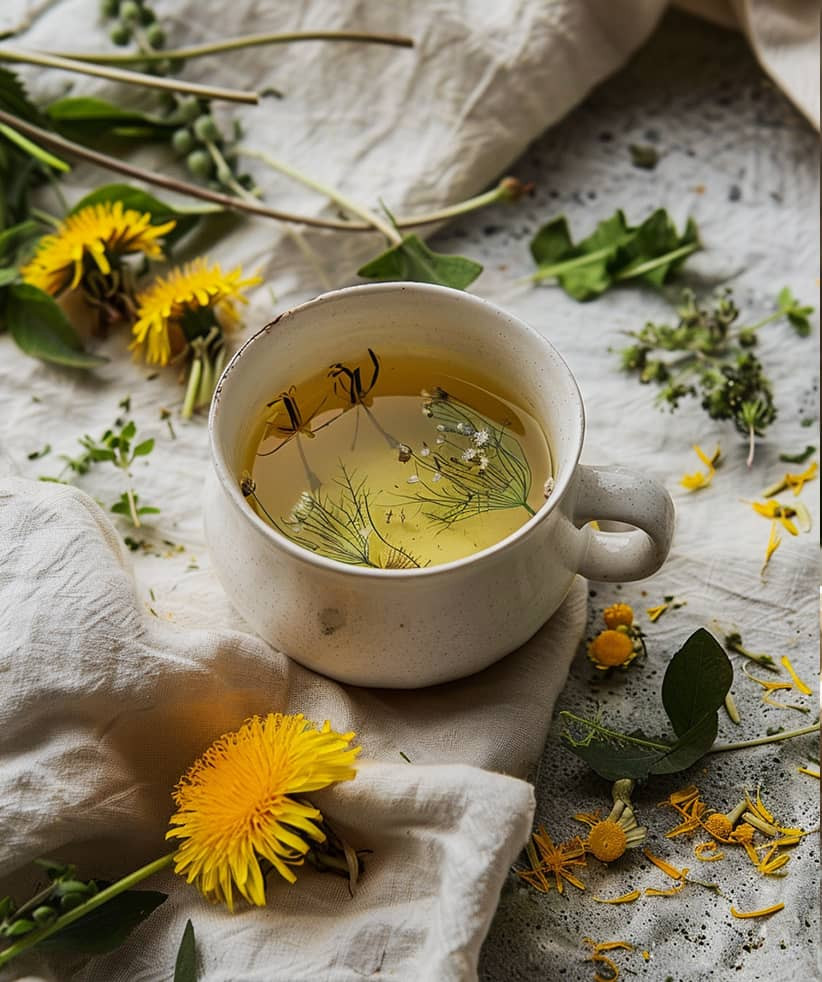
Discover our Provence d’Antan organic dandelion herbal tea, a simple plant infusion with a botanical, lightly bitter and delicately root-like taste. Elaborated in France, it highlights dandelion, or Taraxacum officinale, an emblematic plant of European herbalism, traditionally associated with routines around the liver, digestive comfort and the elimination of water.
To enjoy after a meal or throughout the day, this dandelion herbal tea accompanies everyday botanical rituals with a cup that is sober, direct and full of character. For a more targeted approach around water retention, also discover our Organic Water Retention Herbal Tea, which combines dandelion, blueberry and red vine, among other ingredients, depending on the recipe.
Dandelion contributes to normal liver function.
Dandelion contributes to digestive comfort.
Uses attributed exclusively to the plant according to the claims listed in the reference table.
At Provence d’Antan, dandelion symbolises the richness of wild plants that have accompanied herbalism for generations.
Often associated with countryside landscapes and traditional know-how, it reveals an elegant and authentic botanical personality in infusion. This simple plant invites you to rediscover the pleasure of botanical traditions through a natural and sincere tasting experience.
It naturally finds its place in a daily routine where hydration, balance and the pleasure of plants come together.
To discover a traditional plant
Dandelion is one of the emblematic plants of European herbalism.
For a botanical infusion
Its herbaceous profile will appeal to lovers of natural flavours.
To accompany digestive comfort
To accompany a botanical and aromatic break.
To include a traditional plant in your daily ritual.
To vary the pleasures of tasting according to your preferences.
To discover its aromatic qualities.
In accordance with the recommended directions for use.
1 to 2 g of plant per cup
Simmering water
Infuse for 5 to 10 minutes
Cover during infusion
Follow the recommended doses indicated on the packaging.
To fully appreciate its botanical notes.
To prolong the tasting experience throughout the day.
The infusion can also be enjoyed chilled, depending on the season.
Prepare a carafe of infusion to accompany hydration throughout the day.
Enjoy the herbal tea after meals to appreciate its aromatic profile.
Pair this infusion with a varied and balanced diet.
Alternate plants throughout the seasons to enrich your herbalism ritual.
Not recommended for pregnant or breastfeeding women without professional advice.
Not recommended for people allergic to plants from the Asteraceae family.
In case of medical treatment or a specific health condition, seek advice from a healthcare professional.
Follow the recommended doses.
Provence d’Antan Dandelion Herbal Tea highlights a simple plant with a botanical, lightly bitter and delicately root-like taste. Elaborated in France, it accompanies everyday pauses with a sober, natural cup full of character. A theine-free infusion when it contains no tea, ideal for lovers of direct and authentic plant flavours.
Dandelion is a well-known plant found in meadows and gardens. In infusion, it offers a botanical, lightly bitter and sometimes root-like cup, depending on the part of the plant used. At Provence d’Antan, dandelion herbal tea is elaborated in France to offer a simple, natural tasting experience, faithful to the world of herbalist plants.
Dandelion herbal tea has a botanical, lightly bitter, herbaceous and sometimes root-like taste. Its profile is more pronounced than a floral infusion, less fresh than peppermint and more earthy than a fruity herbal tea. It is suited to lovers of direct, sober plant flavours, low in perceived sweetness.
A dandelion infusion can be enjoyed during the day, after a meal or during a botanical pause. Its direct taste, low in perceived sweetness, suits moments when you are looking for a simple and natural cup. It can also be integrated into a varied infusion routine, alternating with other plants such as nettle, rosemary, verbena or mint.
Dandelion herbal tea generally does not contain theine when it is composed only of dandelion or plants without tea. It can therefore be enjoyed at different times of the day. However, it is still recommended to check the exact composition of the product if dandelion is combined with other ingredients.
To prepare dandelion herbal tea, pour simmering water over the sachet or plant, then leave to infuse for the time indicated on the packaging. As dandelion has a marked botanical character, it is best to respect the recommended dosage in order to obtain a balanced cup, without excessive bitterness. Covering the cup during infusion helps preserve the finesse of the botanical profile.
Yes, dandelion herbal tea can be enjoyed after a meal to prolong the moment with a botanical, sober cup, low in perceived sweetness. Its lightly bitter taste offers an alternative to fruity, floral or indulgent infusions. It is particularly suited to people who enjoy simple plants with an authentic character.
Yes, dandelion infusion can be enjoyed in the evening if it contains no tea, maté, coffee or naturally stimulating ingredient. Its botanical profile can accompany a calm pause at the end of the day. For regular consumption, it is best to follow the recommendations indicated on the packaging.
Dandelion herbal tea can have a slight bitterness, especially depending on the part of the plant used and the infusion time. This bitterness is part of its botanical and root-like character. For a softer cup, it is advisable to respect the recommended infusion time and avoid overdosing the plant.
Dandelion offers a more root-like, botanical and lightly bitter cup. Nettle has a greener, softer and more herbaceous taste. Both plants belong to the world of simple herbal teas, but their profiles on the palate differ: dandelion is earthier and more pronounced, while nettle is leafier and softer.
Dandelion offers a botanical, sober and lightly bitter infusion. Rosemary offers a more aromatic, Mediterranean and resinous cup. In tasting, dandelion evokes wild and root-like plants more strongly, while rosemary recalls Provençal hills, southern herbs and direct aromatic notes.
Yes, dandelion can be combined with other plants such as nettle, mint, rosemary, thyme, fennel, verbena, lemon or hibiscus, depending on the recipes. These pairings help soften its character, bring freshness or create a more balanced cup. Dandelion brings a botanical and lightly bitter base.
Yes, dandelion herbal tea can be enjoyed cold. Prepare the infusion hot, leave it to cool, then place it in the fridge. Served with ice cubes, a slice of lemon or a few mint leaves, it becomes an original, sober and refreshing botanical drink, ideal for lovers of plants low in perceived sweetness.
As a precaution, it is advisable to check the composition and instructions for use before consuming dandelion herbal tea, especially for pregnant or breastfeeding women, children, people undergoing medical treatment or sensitive individuals. As with all plants, regular consumption should follow the recommendations indicated on the packaging.
Dandelion herbal tea can be integrated into a varied tasting routine, alternating with other plants, if the instructions for use allow it. For daily or prolonged consumption, it is best to follow the indications shown on the packaging and seek advice in case of pregnancy, breastfeeding, medical treatment or any particular situation.
Dandelion herbal tea should be stored in a dry place, away from light, heat and humidity. It is advisable to close the sachet, box or refill carefully after each use in order to preserve the finesse of the plant. Avoid placing it near powerful spices or highly fragrant ingredients.
Choosing Provence d’Antan dandelion herbal tea means savouring a simple, botanical and lightly bitter plant, elaborated in France in the spirit of contemporary herbalism. Its sober, root-like and authentic taste accompanies everyday pauses with naturalness, simplicity and refinement. An ideal infusion for exploring direct plant flavours, low in perceived sweetness.
Yes, dandelion can be combined with other plants depending on the recipes and the desired profile. It pairs very well with nettle, mint, rosemary, thyme, fennel, verbena, lemon, hibiscus, but also with turmeric and bay leaf in more botanical and spicy compositions.
In recipes oriented around detox or digestive comfort, dandelion can be combined with fennel, turmeric, bay leaf, chicory, black radish or couch grass, depending on the compositions. For routines linked to water retention, it can also be worked with plants such as red vine or blueberry, as in Organic Water Retention Herbal Tea.
These pairings help soften its lightly bitter character, bring freshness, create a more balanced cup or connect dandelion to different herbalism rituals.
A dandelion detox herbal tea generally focuses on the uses traditionally associated with dandelion around normal liver function, digestive comfort and botanical routines after meals. It can combine dandelion with plants such as fennel, chicory, black radish, turmeric, bay leaf or couch grass, depending on the recipes.
A dandelion water retention herbal tea, such as Organic Water Retention Herbal Tea, is more closely linked to a routine around the elimination of water and renal elimination. It can combine dandelion with other plants such as red vine or blueberry, depending on the composition.
In both cases, it is important to follow the recommendations indicated on the packaging. In case of medical treatment, kidney disease, pregnancy, breastfeeding or any particular situation, seek advice from a healthcare professional before any regular consumption.
Dandelion is traditionally associated with herbalism routines around the elimination of water. This is why it is often searched for in content linked to diuretic plants or water retention. To remain cautious, it is preferable to speak of traditional use and a botanical routine, without promising a direct or guaranteed effect.
Depending on the preparations, dandelion can be used in different forms, including leaves, root or dried leaves. The taste profile may vary: the leaves offer a more botanical expression, while the root brings a more root-like and sometimes more pronounced note. It is advisable to check the exact composition of each recipe.
Dandelion herbal tea can be enjoyed during the day, after a meal or as part of a varied infusion routine. For recipes associated with the elimination of water or water retention, it is best to consume it according to the recommendations indicated on the packaging, avoiding multiplying cups without professional advice.
Dandelion is often sought after in routines linked to water retention and renal elimination. Dandelion herbal tea can accompany a botanical routine, but it never replaces medical advice, especially if water retention is significant, sudden, painful or associated with medical treatment. For a dedicated recipe