Anti-Stress Herbal Teas
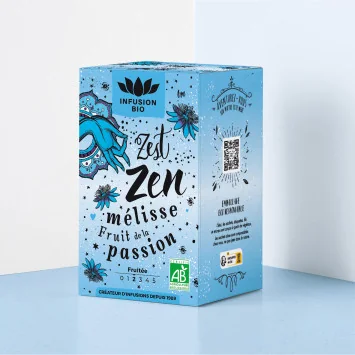
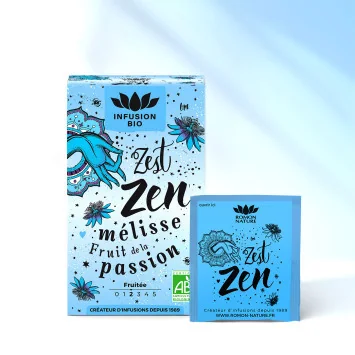
Organic Zest Zen Infusion*
Lemon Balm - German Chamomile - Passionflower
Hawthorn, a plant known for its calming and heart-protective properties, is ideal for easing nervous tension, promoting relaxation, and supporting cardiac well-being. Our organic hawthorn herbal tea offers you a moment of serenity, helping you naturally restore balance and calm.
Filter By
Anti-Stress Herbal Teas
Organic Zest Zen Infusion*
Lemon Balm - German Chamomile - Passionflower
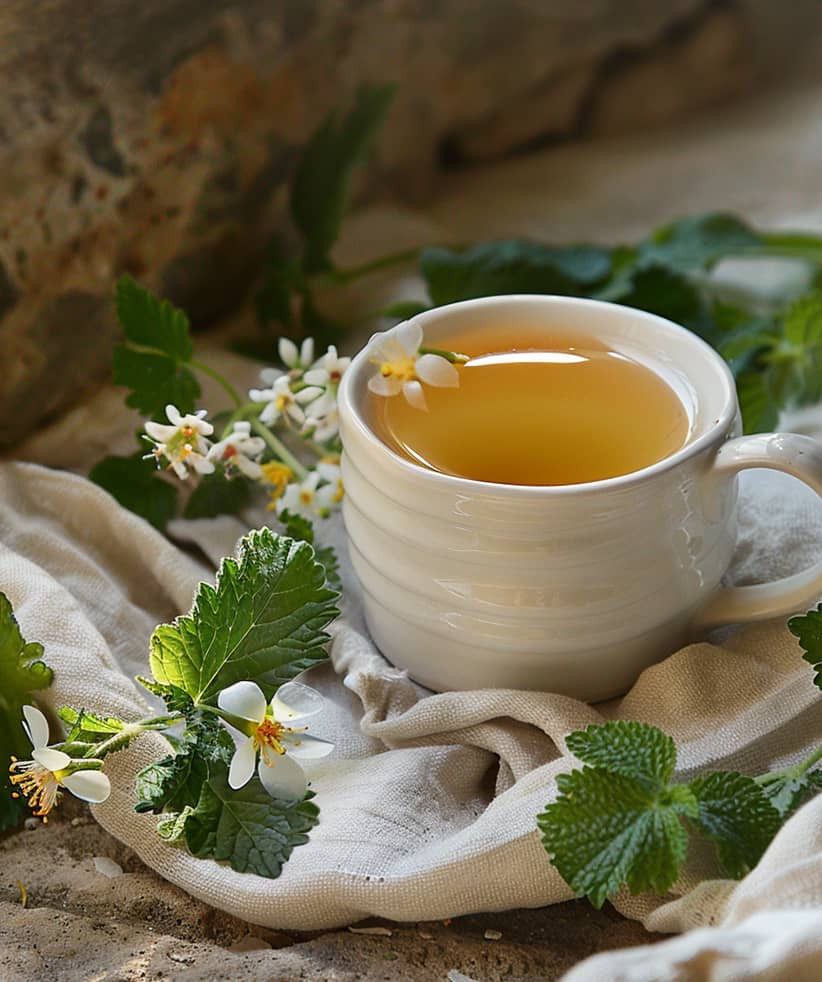
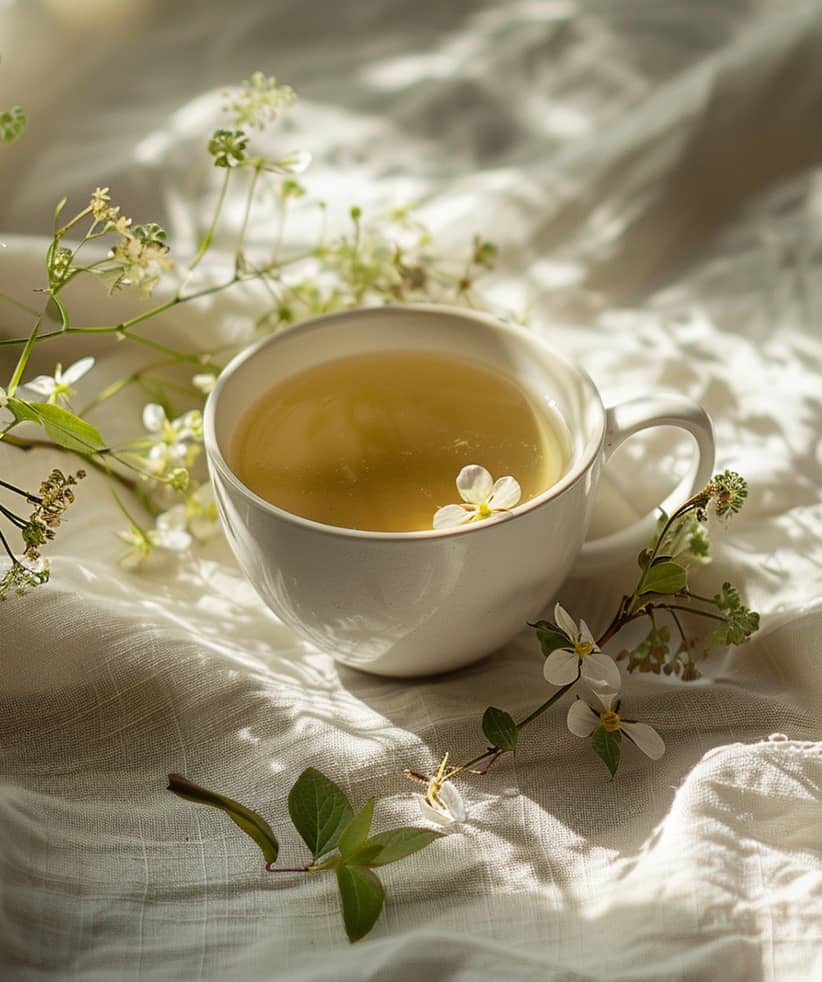
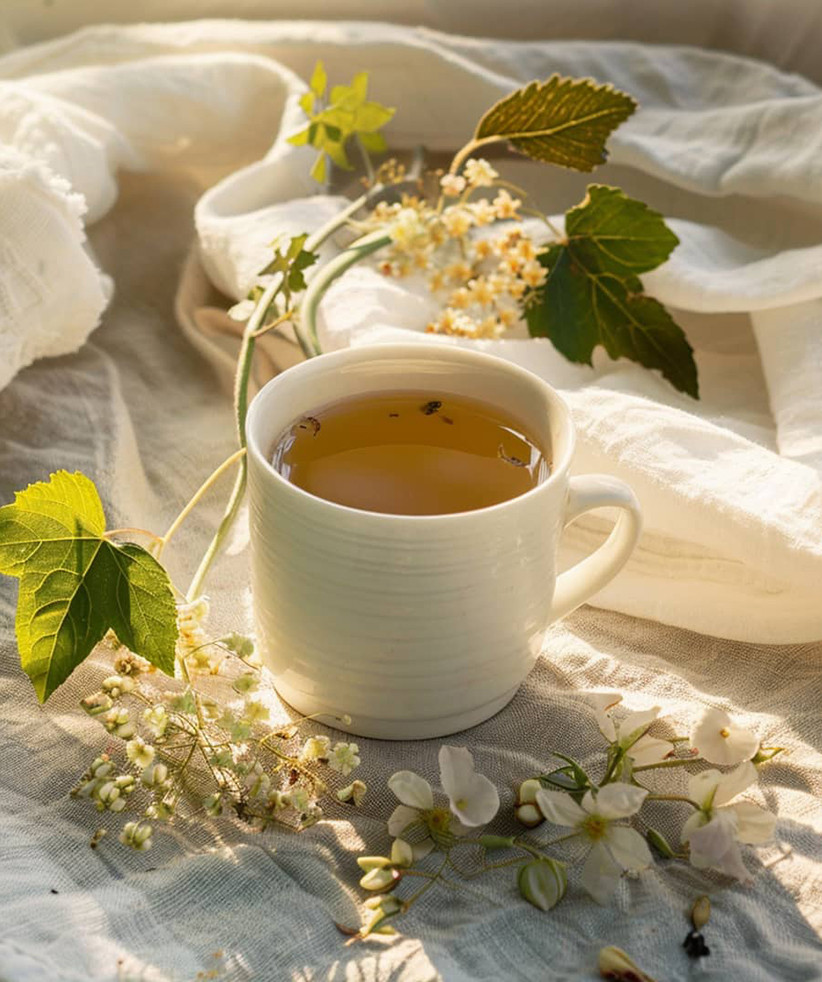
Delicate, floral and deeply connected to European botanical traditions, organic hawthorn has long accompanied infusion rituals. Hawthorn, Crataegus monogyna, grows naturally in hedgerows and countryside landscapes, where its branches are covered in small white flowers in spring.
As a herbal tea, its soft and botanical notes invite you to slow down. Organic hawthorn herbal tea therefore naturally finds its place at the end of the day, during a pause devoted to relaxation or as part of an evening ritual.
At Provence d’Antan, our infusions are elaborated with care in France, in the spirit of modern herbalism where know-how, plant selection and tasting pleasure come together.
Hawthorn is traditionally associated with moments of calm and relaxation. The uses attributed to the plant notably highlight its role in relaxation and mental well-being, as well as its contribution to natural and restorative sleep.
An organic hawthorn infusion can therefore be included in an evening ritual, particularly when you wish to create a more peaceful transition between the activity of the day and bedtime.
Hawthorn is particularly appreciated in routines devoted to relaxation. A warm cup enjoyed slowly at the end of the day helps create a true ritual: a few minutes to slow down, return to calm and gradually prepare for the evening.
It is also traditionally associated with sleep and is among the plants frequently searched for by those interested in sleep disorders, nervousness, irritability, agitation or nervous tension.
These terms describe uses and searches traditionally associated with the plant and do not replace medical advice when a disorder persists.
Choosing an organic hawthorn herbal tea or an organic hawthorn infusion means first looking for a plant selected with care and grown according to the principles of organic agriculture.
The mention of French origin must nevertheless be distinguished from the botanical origin of the plant: at Provence d’Antan, we highlight an infusion elaborated in France. The precise origin of the plants depends on each reference and should be checked in the information for the product concerned.
This selection requirement is part of our vision of contemporary herbalism: respecting the plant world, preserving its identity and offering compositions that tell the story of both nature and know-how.
Hawthorn helps support relaxation and mental well-being.
Hawthorn contributes to natural and restorative sleep.
Uses attributed exclusively to the plant according to the listed claims.
At Provence d’Antan, Hawthorn evokes the wild landscapes of Provence, paths bordered by flowering shrubs and botanical traditions passed down over time.
Its herbal tea accompanies moments when you wish to slow the pace and return to a sense of serenity. Its soft and balanced infusion naturally fits into evening rituals or pauses devoted to well-being.
This plant perfectly illustrates contemporary herbalism inspired by traditional know-how and respect for the plant world.
For an evening ritual
Hawthorn is traditionally appreciated during moments of relaxation before bedtime.
For a floral tasting experience
Its delicate flavour profile appeals to lovers of soft and botanical infusions.
To discover traditional plants
Hawthorn is one of the great historical plants of European herbalism.
Late afternoon and evening are particularly well suited to enjoying a hawthorn infusion.
It can accompany reading, a few quiet minutes or simply become the signal of a day slowing down.
More than a habit, herbal tea then becomes a ritual: one of rediscovering the taste of plants and bringing a few moments of nature back into everyday life.
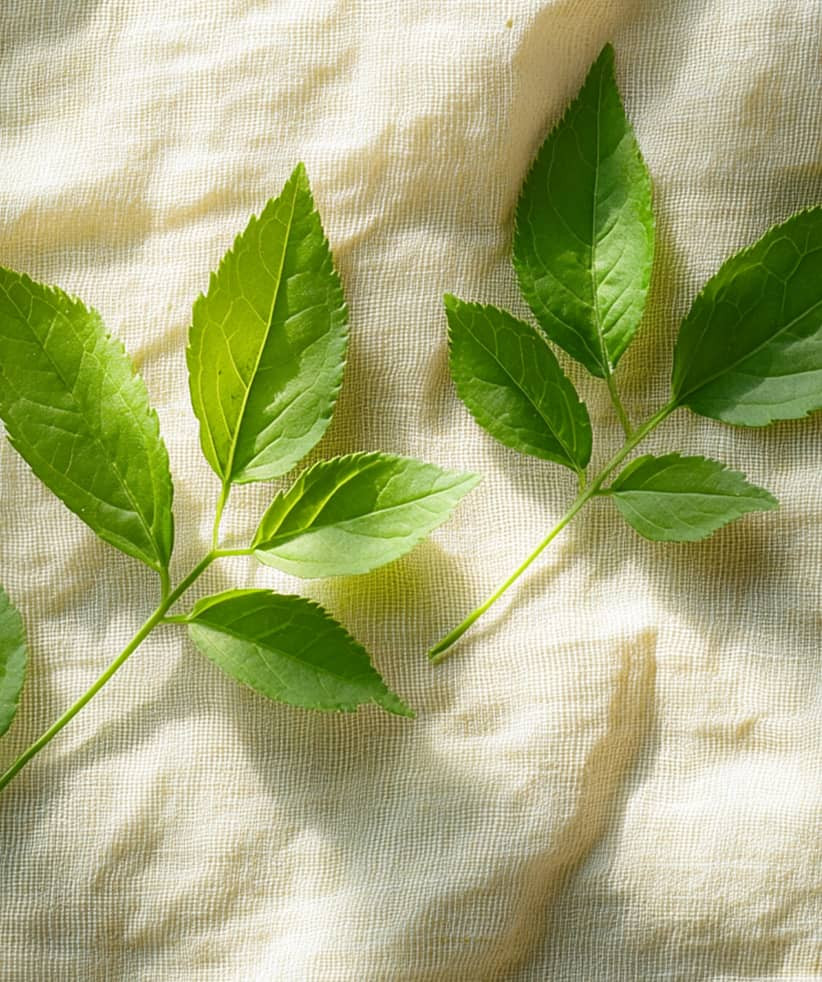
In herbalism, hawthorn is notably known for its hawthorn flowers, hawthorn leaves and flowering tops, meaning the young ends of the branches bearing leaves and flowers.
The botanical designation Crataegus spp., folium cum flore is therefore frequently encountered, corresponding to leaves accompanied by flowers.
These parts of the plant naturally contain different botanical compounds, sometimes referred to generally as active compounds in phytotherapy books. Their presence and concentration vary notably according to the species, the plant part used, the harvest and the preparation method.
For an infusion, the choice of botanical material also contributes to the character of the cup: botanical, soft and delicately floral.
Hawthorn has long held a place in European phytotherapy and is one of the best-known medicinal plants in popular tradition.
Its history is notably linked to traditional uses relating to nervousness, mild stress, relaxation and sleep. It is this historical relationship between hawthorn, calm and emotions that explains its presence in many phytotherapy preparations devoted to periods of nervous tension.
Hawthorn may be offered in different forms depending on use: dried plant for infusion, extracts or even mother tincture. However, a mother tincture and a herbal tea do not have the same concentration or the same method of use: they should therefore not be considered interchangeable.
Crataegus monogyna is one of the most widespread hawthorn species in Europe. A familiar shrub of hedgerows and country paths, it is notably recognised by its white spring blossom.
In the uses attributed to the plant:
These uses are attributed exclusively to the plant and should always be considered in accordance with the recommendations for use.
A good organic hawthorn herbal tea is chosen according to the quality of the plants, their composition and the moment when you wish to enjoy it.
Its botanical and floral softness is particularly suited to calm moments at the end of the day. The infusion can become a regular reference point before bedtime.
Preparing your herbal tea, allowing the plants to infuse and then taking the time to enjoy it helps create a true pause in the day.
Hawthorn also allows you to reconnect with a historic plant of European herbalism, in a simple and familiar form: infusion.
To prepare your infusion:
Enjoyed on its own or included in a composition combining several plants, hawthorn reveals a soft, botanical and lightly floral cup.
Always respect the doses and recommendations for use indicated on the product.
Hawthorn consumption requires particular caution in cases of medical treatment or cardiovascular history. In these situations, seek advice from a doctor or pharmacist before any regular consumption.
Consumption is also not recommended for pregnant or breastfeeding women without advice from a healthcare professional.
A plant infusion is not a substitute for a varied and balanced diet, a healthy lifestyle or prescribed medical treatment.
Provence d’Antan hawthorn herbal tea celebrates a traditional plant of European herbalism, with a gentle, botanical and delicately floral taste. Crafted in France, it accompanies calm moments, evening pauses and relaxation rituals with a harmonious and refined cup. Prepare with simmering water, following the directions for use.
Hawthorn, or Crataegus monogyna, is a traditional plant of European herbalism, often found in hedgerows and rural landscapes. As an infusion, it offers a gentle, botanical and slightly floral cup. At Provence d’Antan, hawthorn herbal tea is crafted in France to offer a simple, authentic tasting experience, true to the world of herbalist plants.
Hawthorn herbal tea has a gentle, botanical, floral and harmonious taste. It is less intense than thyme or rosemary infusion, more discreet than peppermint, and more floral than a purely herbaceous herbal tea. Its taste profile is suited to those looking for a calm, understated and delicate infusion, to be enjoyed at the end of the day or during a peaceful moment.
Hawthorn infusion can be enjoyed in the late afternoon or evening, when one wishes to create a calm moment. It can also accompany a reading break, a moment of rest or an evening ritual. Its gentle and floral taste makes it a pleasant herbal tea for moments when one is looking for a simple, botanical hot drink with a low perceived sweetness.
Hawthorn herbal tea generally does not contain theine when it is made only with hawthorn or plants that do not contain tea. It can therefore be chosen for an evening tasting experience. However, it is still important to check the exact composition of the product, especially when hawthorn is combined with other plants, tea, mate or other naturally stimulating ingredients.
To prepare hawthorn herbal tea, pour simmering water over the plant or tea bag, then leave to infuse for the time indicated on the packaging. The Provence d’Antan page recommends 1 to 2 g of plant per cup, simmering water and an infusion time of 5 to 10 minutes. It is also recommended to cover the cup during infusion to preserve the delicacy of the botanical notes.
Yes, hawthorn herbal tea can be included in an evening ritual, provided that the directions for use and the product composition are respected. Its floral and botanical profile pairs well with calm moments at the end of the day. For regular consumption, or in case of a specific situation, it is preferable to seek advice from a healthcare professional.
Yes, hawthorn infusion can be enjoyed after a meal to extend the moment with a gentle, floral and botanical cup. It offers a delicate alternative to sweet drinks or more powerful infusions. Its harmonious taste is well suited to the end of the day, light meals or pauses when one is looking for a simple and refined infusion.
Hawthorn offers a gentle, botanical and floral cup, with a discreet and harmonious presence. Lime blossom generally has a more honeyed, rounded and enveloping note. Both plants belong to the world of traditional evening herbal teas, but their taste differs: hawthorn is more rural and botanical, while lime blossom is often perceived as softer and more floral.
Hawthorn offers a floral, gentle and botanical infusion. Lemon balm, on the other hand, often brings fresher, more citrus-like and slightly herbaceous notes. For an evening ritual, hawthorn will appeal to lovers of floral and discreet cups, while lemon balm will be better suited to those who enjoy botanical infusions with a citrus touch.
Yes, hawthorn can be combined with other gentle or floral plants, such as lime blossom, lemon balm, verbena, marjoram, orange blossom or chamomile, depending on the recipe. These combinations make it possible to create infusions that are rounder, more complex or more accessible on the palate. They are particularly interesting for composing harmonious evening herbal teas.
As a precaution, hawthorn herbal tea is not recommended for pregnant or breastfeeding women without professional advice. The Provence d’Antan page also recommends seeking advice from a healthcare professional in case of medical treatment, doubt or a specific situation. Plant-based infusions are not a substitute for a varied diet, a balanced lifestyle or medical treatment.
Regular consumption of hawthorn should follow the recommended dosage. For a daily routine, it is preferable to follow the instructions indicated on the packaging and to seek advice from a healthcare professional in case of medical treatment, pregnancy, breastfeeding, known medical condition or particular sensitivity. Regular use should never replace appropriate medical advice.
Hawthorn herbal tea should be stored in a dry place, away from light, humidity and heat. It is recommended to close the sachet, box or refill properly after each use in order to preserve the delicacy of the plant. Like all infusions, it should be kept away from very powerful spices or strongly scented ingredients.
Choosing Provence d’Antan hawthorn herbal tea means discovering a traditional plant of European herbalism, crafted in France through an approach that is simple, botanical and refined. Its gentle, floral and harmonious taste accompanies calm moments throughout the day. It is an ideal infusion for creating an elegant evening ritual, in the spirit of a modern herbal apothecary.