Fine Salt
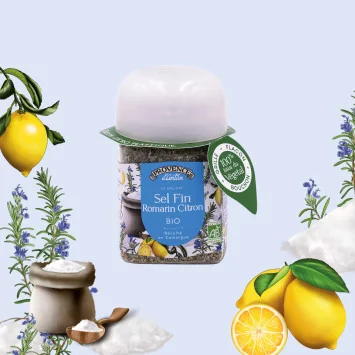
Organic Fine salt Rosemary Lemon - 80g
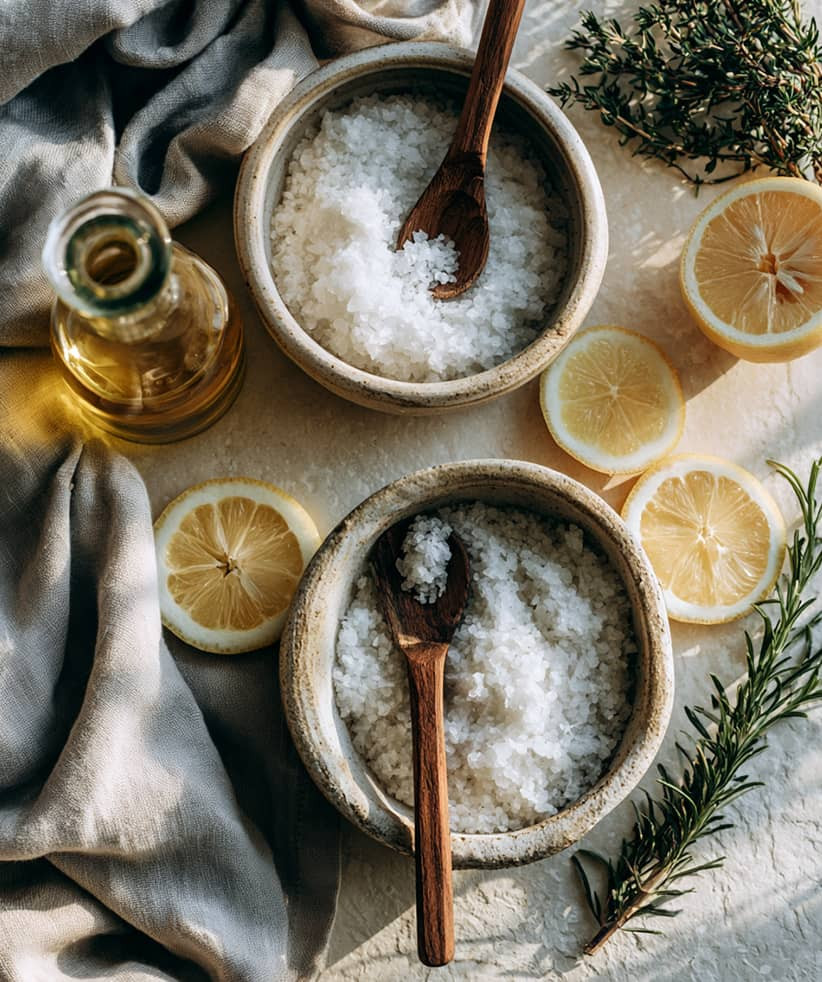
Lemon - Rosemary - Fine Salt
Provence d’Antan Fine Salt: A delicate texture enriched with natural ingredients. Elevate your dishes with blends of vegetables, aromatic herbs, and chili for perfect seasoning.
Filter By
Fine Salt
Organic Fine salt Rosemary Lemon - 80g
Lemon - Rosemary - Fine Salt
Provence d’Antan fine salts combine the finesse of Camargue salt with carefully selected herbs, vegetables and spices. Their delicate grain disperses easily in salads, sauces, soups, vegetables, fish, white meats or everyday dishes.
Three compositions allow you to choose your seasoning according to your desires: a fine salt with herbs inspired by the Mediterranean, a generous vegetable blend and a lively pairing of rosemary and lemon.
Elaborated with care in France, these recipes bring a botanical and sun-filled touch to every pinch.
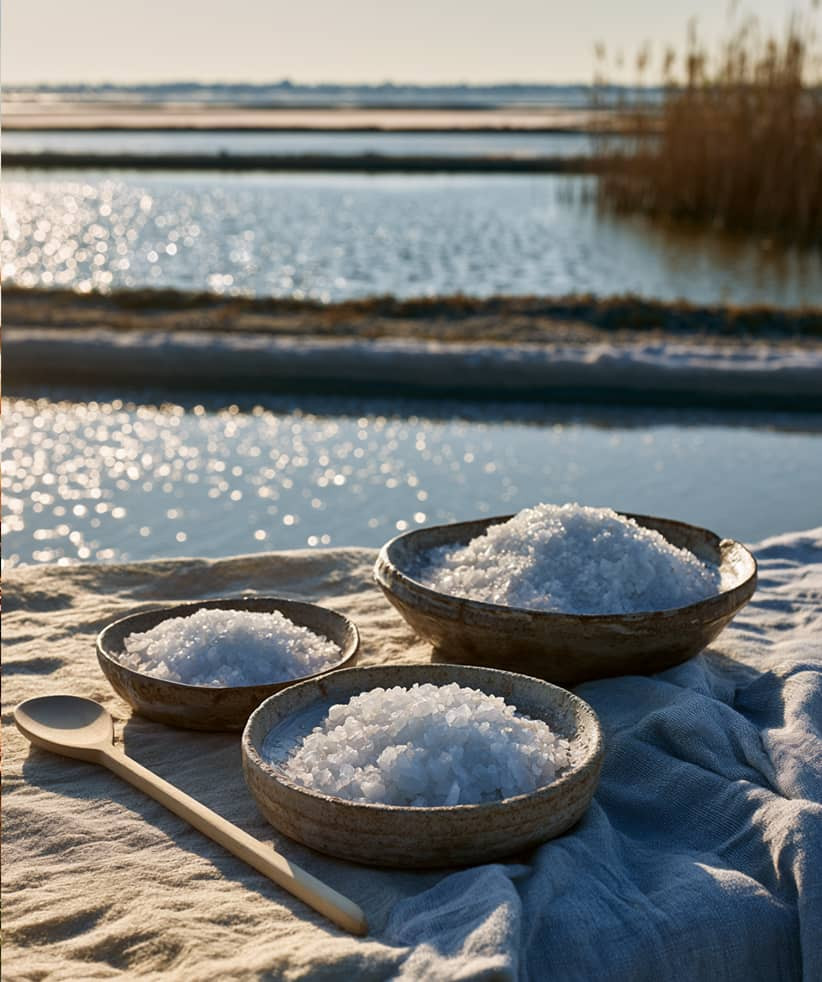
The three recipes currently offered are based on Camargue fine salt. Its delicate grain disperses easily and makes it possible to season a preparation evenly.
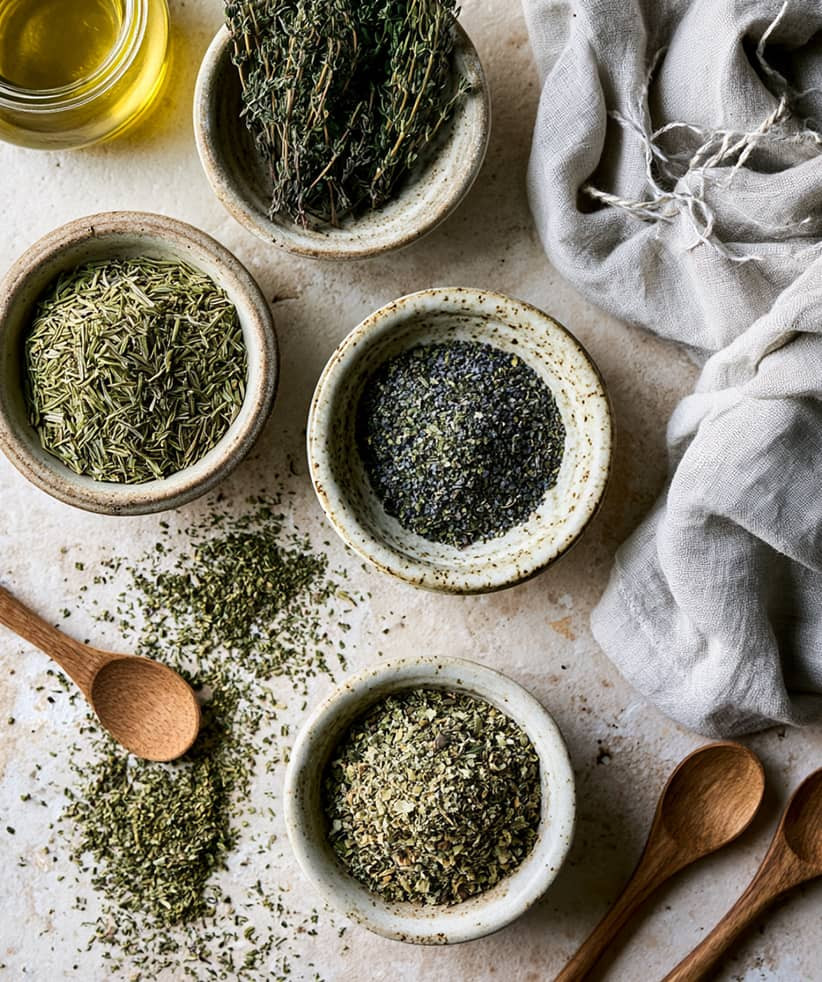
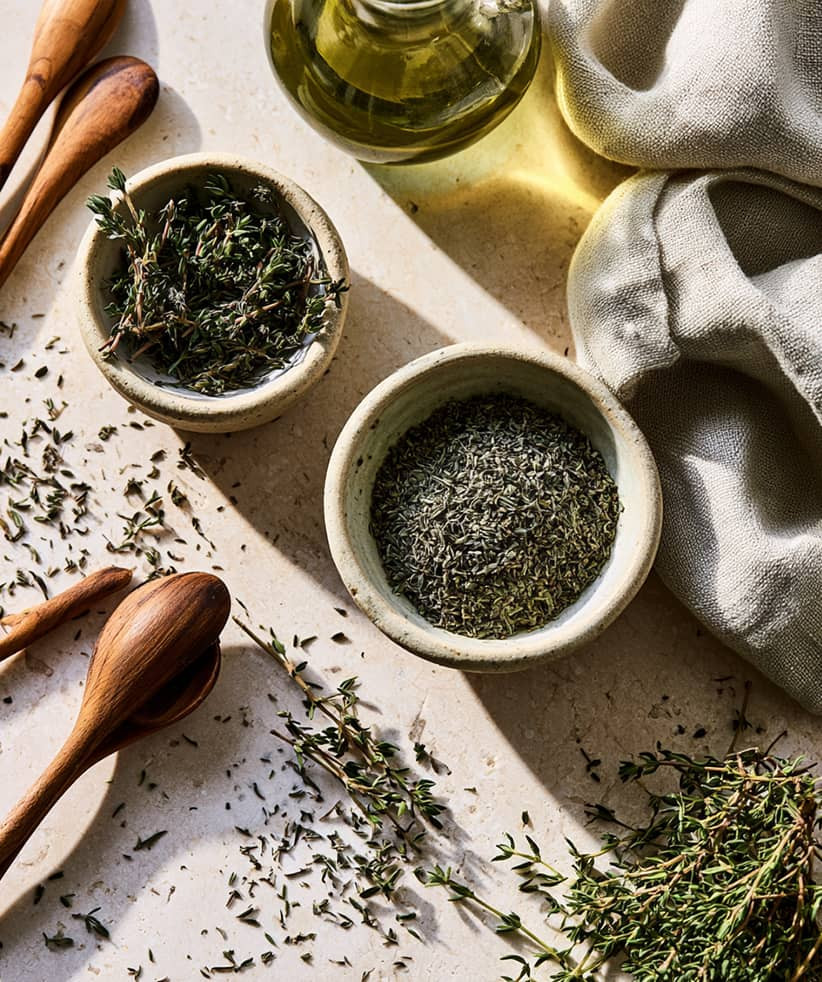
Rosemary, thyme, basil, parsley, tarragon and bay leaf make up the fine salt with herbs. This combination naturally accompanies salads, raw vegetables, roasted vegetables, fish, eggs and white meats.
The vegetable blend brings together fenugreek, onion, carrot, leek, parsley, lovage, turmeric, clove, black pepper, thyme, bay leaf and rosemary. It fits easily into soups, purées, broths, vegetables, cereals and plant-based preparations.
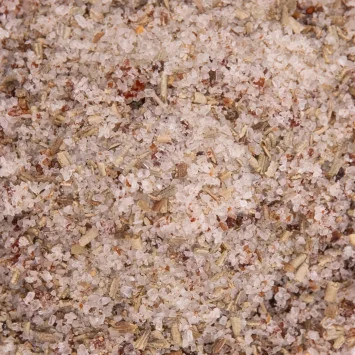
The rosemary-lemon pairing plays on the contrast between the botanical character of rosemary and the liveliness of lemon. It is particularly suited to fish, vegetables, poultry, marinades, salads and summer recipes.
At Provence d’Antan, fine salt becomes the starting point of a culinary composition. Its texture makes it easy to distribute herbs, vegetables and spices throughout each preparation.
Our selection does not seek to mask foods, but to give them direction: Mediterranean with herbs, generous with vegetables, or livelier with the rosemary-lemon pairing.
These blends are part of a contemporary vision of culinary herbalism. Plants leave the garden and the paths of Provence to enter the simple gestures of cooking: seasoning a salad, enhancing a soup, preparing a marinade or bringing relief to roasted vegetables.
Fine salt with herbs brings a balanced botanical presence. It is suited to tomatoes, cucumbers, mixed salads, fresh cheeses and homemade vinaigrettes.
Rosemary-lemon fine salt offers a livelier alternative for summer salads, crunchy vegetables and fish-based preparations.
Fine salt with vegetables is particularly suited to soups, veloutés, broths, purées and slow-cooked dishes. Its botanical composition accompanies the ingredients already present in the recipe.
The rosemary-lemon pairing naturally accompanies white fish, grilled fish and certain seafood preparations. Fine salt with herbs offers a softer, more Mediterranean result.
Fine salt with herbs or rosemary-lemon can be used on poultry, escalopes, skewers or grilled white meat. It can be added before cooking or incorporated into a marinade.
All three blends can be suitable. Choose herbs for a Provençal spirit, vegetables for a more generous composition, or rosemary-lemon for a fresher touch.
A pinch of fine salt with herbs or vegetables accompanies omelettes, fried eggs, pulses, cereals, vegetable patties and cooked vegetables.
Fine salt can be mixed with ingredients before cooking. It is suited to marinades, vegetables intended for oven cooking, plant-based preparations and white meats.
Add it gradually to sauces, soups, purées and slow-cooked dishes. Let it disperse, then taste before completing the seasoning.
Its fine texture allows it to be used directly on salads, raw vegetables, eggs, fish, vegetables or already plated dishes.
First mix the fine salt with the vinegar or juice indicated in the recipe, then add the oil. This will allow the salt to disperse more easily in the vinaigrette.
Combine a small quantity of fine salt with olive oil and the ingredients of your choice. Salt with herbs or rosemary-lemon is particularly suited to this use.
One pinch, three inspirations
Mediterranean herbs, garden vegetables or the freshness of lemon: choose the blend that will accompany your cooking.
Button: Discover the fine salts
Mix the salt with vinegar, then gradually add the olive oil. This simple base accompanies a tomato salad, raw vegetables or cooled grilled vegetables.
Sprinkle a pinch over lightly oiled courgettes, carrots or potatoes before placing them in the oven. Adjust the seasoning after cooking.
Add the blend during the cooking of a squash, carrot or leek velouté. Taste before serving to check the balance of the dish.
Lightly sprinkle the fish before cooking or add a pinch at the moment of plating. Serve with grilled vegetables or a salad.
A small pinch of fine salt with herbs is enough to accompany an omelette, scrambled eggs, a fried egg or fresh cheese.
The fine salts currently offered in this category are elaborated from Camargue fine salt. The associated agricultural ingredients vary according to each recipe, and their origins should be checked on the labelling or product sheet concerned.
As salt is a mineral substance, it does not fall under organic agriculture on its own. In the names “organic fine salt with herbs*”, “organic fine salt with vegetables*” and “organic rosemary-lemon fine salt*”, the asterisk refers to the agricultural ingredients concerned.
Provence d’Antan compositions are imagined to create a balance between minerality, botanical expression and ease of use. They are elaborated with care in France.
Store your fine salt in a dry place, away from humidity, heat and light. Carefully close the container after each use to prevent the grains from clumping and to preserve the taste qualities of the associated ingredients.
Salt should be consumed in moderation. Take into account all salty foods present in the meal, notably cheeses, olives, cured meats, broths and sauces. If you need to monitor your sodium intake, follow the recommendations of your healthcare professional.
Fine salt is made up of small crystals that disperse quickly in a preparation. It is particularly suited to precise seasoning, sauces, vinaigrettes, salads and everyday dishes.
Fine salt can be added before, during or after cooking. It is used in sauces, marinades, soups, vegetables, salads, fish, meats, eggs and plant-based preparations. Start with a small quantity, then adjust after tasting.
Fine salt has small crystals that disperse and dissolve quickly. Coarse salt has larger crystals and is particularly suited to cooking water, slow-cooked dishes and certain marinades.
Fine salt allows for even seasoning and can be used at every stage of a recipe. Fleur de sel is generally added as a finishing touch to bring a saline note and a more delicate texture.
Choose fine salt for precise seasoning, sauces and salads. Favour coarse salt for cooking water and long preparations. Reserve fleur de sel for plating and finishing.
Look at the herbs present in the composition and choose them according to your recipe. Rosemary, thyme, basil, parsley, tarragon and bay leaf pair well with vegetables, fish, white meats, eggs and Mediterranean dishes.
It can be added to soups, broths, purées, vegetables, cereals, sauces and slow-cooked dishes. Its fine texture allows it to disperse easily. Add it gradually and taste the preparation before adding more.
Rosemary-lemon fine salt accompanies fish, poultry, grilled vegetables, salads, potatoes and marinades. It can be used before cooking or added with measure at the moment of serving.
Fine salt with herbs is suited to mixed salads, tomatoes and raw vegetables. The rosemary-lemon blend is interesting for a summer salad, a fish-based preparation or a livelier vinaigrette.
Fine salt with vegetables brings botanical continuity to soups, purées and cooked vegetables. Salt with herbs is better suited to Mediterranean vegetables, while rosemary-lemon pairs well with grilled vegetables.
Rosemary-lemon fine salt is particularly suited to grilled, oven-baked or steamed fish. Fine salt with herbs also suits fish, with a more botanical and Mediterranean profile.
Fine salt with herbs or rosemary-lemon can accompany poultry, skewers or an escalope. Use it in a marinade or sprinkle a small quantity before cooking.
Yes. First mix it with the vinegar or lemon juice indicated in the recipe, then add the oil. This method makes it easier to distribute throughout the vinaigrette.
Yes. Mix a small quantity of fine salt with oil and the other ingredients in your marinade. Salts with herbs and rosemary-lemon are particularly suited to vegetables, fish and white meats.
Yes. It can be added to a sauce, soup, broth, purée or slow-cooked dish. It is preferable to salt gradually in order to control the final balance.
Yes. Its small grain size allows it to be used directly on dishes. Add a pinch, mix or let it disperse for a few moments, then taste before adding more.
The quantity depends on the recipe, the number of portions and the other salty ingredients. Start with a small pinch, taste, then adjust. This precaution is particularly important with cheeses, olives, broths and sauces.
By weight, their salt content may be comparable. However, a spoonful of fine salt generally contains more salt than a spoonful of coarse salt, because its small grains occupy the space more compactly.
Yes, with moderation and as part of a balanced diet. All sources of salt consumed throughout the day should be taken into account, and it is best to avoid systematically adding more salt without tasting first.
Salt is a mineral substance and, on its own, does not fall under organic agricultural production. In a composed blend, certification applies to the agricultural ingredients identified by an asterisk.
The three references currently presented on this page are made with Camargue fine salt. It is still recommended to check the composition and origin information indicated on each product sheet.
Store it in a dry place, away from heat, light and humidity. Close the container immediately after use to preserve the fluidity of the blend.
Salt easily absorbs humidity from the air. The grains can then clump together. Place the container in a dry place and make sure it is properly closed after each use.
This is generally not necessary, as its grains are already fine enough to be used directly. Check the grinder manufacturer’s recommendations before adding a blend containing herbs or vegetables.
Yes, when a recipe calls for salt. Its texture allows it to disperse easily in bread dough, pastry dough or certain sweet preparations. For a faithful result, always follow the quantities in the recipe.
Yes. Fine salt adheres easily to fries and potatoes after cooking. Blends with herbs, vegetables or rosemary-lemon make it possible to vary the seasoning.
Taste before salting, dose gradually and use herbs, spices or lemon to build the flavour profile of the dish. A composed fine salt makes this gesture easier, but the quantity should always remain controlled.
The three recipes currently offered in this category do not mention chilli in their composition. Nevertheless, check the full ingredient list of each product before purchase, especially in the case of allergy or particular sensitivity.