Aromatics Herbs
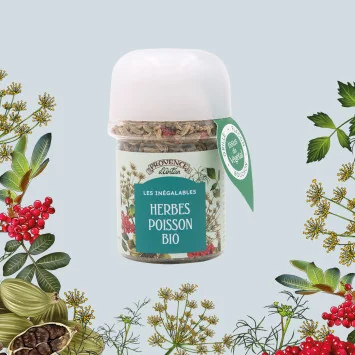
Organic Fish Herbs - 30g
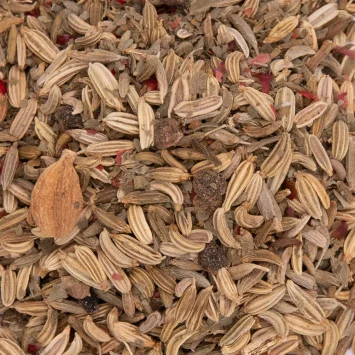
Lovage - Fennel - Pink Peppercorn - Cardamom
Provence d’Antan Herbes de Provence: A 100% local and authentic blend grown at the foot of Sainte-Victoire. Elevate your dishes with the true flavors of Provence.
Aromatics Herbs
Organic Fish Herbs - 30g
Lovage - Fennel - Pink Peppercorn - Cardamom
Provence d’Antan Herbes de Provence tell the story of a landscape as much as a cuisine. Grown at the foot of Sainte-Victoire, they bring together emblematic aromatic plants from the South in a blend designed to accompany vegetables, meats, fish, sauces, marinades and grilled dishes.
Their botanical, sun-filled and generous profile immediately evokes Mediterranean cooking and large summer tables. Selected with high standards and elaborated with care in France, they are used simply, before or during cooking, to bring character without masking the taste of the ingredients.
For us, Herbes de Provence are not simply a seasoning.
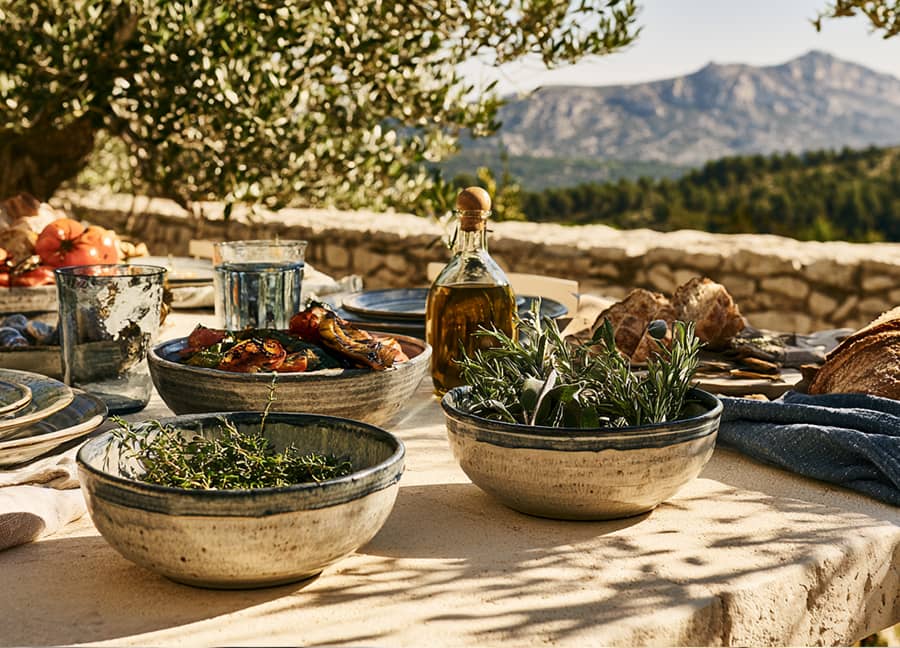
They tell the story of light, dry soils, hills and the aromatic vegetation that is part of the Provençal landscape. They evoke simple cooking: ripe tomatoes, a few vegetables, a drizzle of olive oil, grilled fish or roasted potatoes.
The connection with the terroir is essential here. Grown at the foot of Sainte-Victoire, our Herbes de Provence are part of an approach that values proximity, producers’ know-how and the botanical identity of the region.
A very simple way to bring a little Provence onto the plate.
The composition of a Herbes de Provence blend may vary depending on the recipes and producers.
At Provence d’Antan, you should always refer to the composition indicated on the chosen reference.
Plants traditionally associated with this world may notably include:
Thyme brings a clear, botanical and Mediterranean note.
Rosemary develops a more woody and intense profile.
Savory brings more character and depth.
Oregano immediately evokes southern cooking and tomato-based preparations.
These plants complement one another to create a balanced aromatic signature, without one necessarily overpowering the others.
Origin changes the way a product is told.
Here, it is not only a matter of using the name “Provence”: the plants are grown at the foot of Sainte-Victoire.
This connection to the territory makes it possible to value:
This coherence between place, plant and use makes all the difference in a category where the name “Herbes de Provence” can cover very different realities.
Herbes de Provence are particularly versatile. They make it easy to season vegetables, meats, sauces and oven-baked dishes quickly.
They naturally accompany tomatoes, courgettes, aubergines, peppers, potatoes and olive oil.
They can be used in a marinade or directly on food before cooking.
A small quantity is generally enough to bring a botanical note without masking the finesse of the product.
Added at the beginning or during cooking, they gradually release their notes into sauces and preparations.
Mix a few pinches with olive oil to prepare a marinade or coat vegetables.
Add them to a tomato sauce, a slow-cooked dish, oven-baked vegetables or a casserole preparation.
A very small quantity can also be added just before serving, depending on the dish and the desired intensity.
Start with a few pinches, then adjust.
Dried plants have a more concentrated character than fresh plants: it is better to use a little at first, then add more after tasting.
Tomatoes, olive oil, Herbes de Provence and a few minutes in the oven: a simple recipe that places the plant world at the forefront.
Courgettes, aubergines and peppers are particularly well suited to this seasoning.
A few pinches before cooking are enough to give them a Mediterranean character.
Herbes de Provence naturally accompany poultry, especially when combined with olive oil.
Used with measure, they bring a very pleasant botanical note.
Added during cooking, they bring greater depth to a simple sauce.
A marinade made with olive oil and Herbes de Provence works just as well with vegetables as with meats or certain fish.
Aromatic herbs refer to a large family of plants used individually or in combination.
Herbes de Provence correspond to a specific blend inspired by Provençal culinary traditions.
In other words, thyme, rosemary or savory are aromatic herbs; when combined in a balanced composition, they can form a Herbes de Provence blend.
The two approaches are complementary: a single plant to give a precise signature to a recipe, a blend to immediately rediscover a Mediterranean identity.
Barbecue and plancha cooking develop grilled notes that naturally pair with the botanical and Mediterranean profiles of Herbes de Provence.
They can be incorporated into a marinade, spread directly over the ingredients or added during indirect cooking.
Meats, vegetables, fish or potatoes: the blend creates flavour continuity across the whole table.
Store them in a properly closed container, in a dry place, away from light and sources of heat.
In particular, avoid leaving the jar just above cooking hobs.
Humidity can also alter dried plants. It is therefore preferable to take the required quantity with a dry spoon rather than pouring directly from the container over a steaming dish.
This category has a true particularity: the plants are grown locally at the foot of Sainte-Victoire.
Here, terroir is therefore not simply decorative. It is part of the product’s identity.
At Provence d’Antan, we value this connection with the territory, producers’ know-how and a supply chain coherent with our vision of contemporary herbalism.
Our products are then elaborated with care in France, in respect of our quality standards.
Provence d’Antan Herbes de Provence accompany everyday recipes with a botanical, sun-filled and Mediterranean touch. Thyme, rosemary, savory, oregano or basil, depending on the compositions, bring character to vegetables, grilled dishes, fish, sauces, marinades and slow-cooked recipes. A kitchen essential elaborated in France to rediscover the spirit of the South on every plate.
Herbes de Provence are a blend of aromatic herbs inspired by Mediterranean cooking. They generally combine plants such as thyme, rosemary, savory, oregano or basil, depending on the recipes.
They are used to bring a botanical, sun-filled and Provençal touch to vegetables, meats, fish, sauces and marinades.
The composition of Herbes de Provence may vary depending on the blends.
They often include thyme, rosemary, savory, oregano, basil or marjoram. It is always recommended to check the exact composition on the product page, as each recipe has its own balance.
Aromatic herbs refer to all plants used in cooking to bring flavour, such as thyme, basil, parsley, rosemary or bay leaf.
Herbes de Provence are a specific blend of aromatic herbs, inspired by southern cooking and designed for Mediterranean recipes.
Some Herbes de Provence may come from Provençal crops, but this is not always the case depending on the brands and references.
If cultivation at the foot of Sainte-Victoire is verified for your product, it should be mentioned clearly. Otherwise, it is preferable to write “Provençal-inspired blend” or “herbs elaborated in France”.
It is better to avoid the expression “100% local” if all the herbs are not effectively grown, harvested and processed locally.
This wording is highly committing. A safer version would be: “herbs grown at the foot of Sainte-Victoire” if this is verified, or “an emblematic blend of Provençal cooking, elaborated in France” if the exact origin varies.
Herbes de Provence are ideal with sun-filled vegetables: courgettes, aubergines, tomatoes, peppers, potatoes, mushrooms or onions.
Add them before cooking with a drizzle of olive oil, or as a finishing touch for a more botanical note. They are very well suited to roasted vegetables, pan-fried dishes, gratins, ratatouilles and tians.
Herbes de Provence accompany grilled meats, poultry, roasts, skewers, marinades and slow-cooked dishes.
They can be mixed with olive oil, garlic, lemon or pepper to prepare a marinade. They bring a Mediterranean signature without masking the taste of the meat.
Yes, Herbes de Provence can be used with fish, especially oven-baked, en papillote or grilled fish.
It is recommended to dose them lightly in order to preserve the finesse of the fish. They pair well with olive oil, lemon, tomatoes, courgettes and potatoes.
Yes, Herbes de Provence are perfect in a tomato sauce.
They bring a Mediterranean touch to sauces for pasta, pizzas, stuffed vegetables, gratins or slow-cooked dishes. For a more blended sauce, add them during cooking. For a livelier note, add a small quantity at the end of preparation.
Yes, Herbes de Provence are very well suited to marinades.
Mix them with olive oil, lemon, garlic, pepper or spices depending on the recipe. They can accompany meats, fish, vegetables, tofu, potatoes or vegetarian skewers.
Herbes de Provence withstand cooking well. They can be added before cooking on vegetables, in a marinade or at the beginning of a slow-cooked dish.
To avoid an overly pronounced intensity, it is recommended to dose them gradually. A small touch as a finishing note can also reinforce botanical freshness.
The quantity depends on the dish and the desired intensity.
For a family-style recipe, start with a small pinch or half a teaspoon, then adjust after tasting. Certain herbs such as rosemary or savory can be quite present; it is better to add them gradually.
Yes, Herbes de Provence are perfectly suited to vegetarian cooking.
They bring relief to vegetables, cereals, pulses, sauces, gratins, savoury tarts, tofu, chickpeas and slow-cooked dishes. They make it easy to create generous, Mediterranean plant-based cooking.
Herbes de Provence should be stored in a dry place, away from light, heat and humidity.
It is recommended to close the sachet or jar properly after each use. Avoid placing them near a cooking hob or source of steam in order to preserve their intensity.
Simple Herbes de Provence generally do not contain salt, but it is always important to check the exact composition of the product.
If the blend does not contain salt, you can season separately according to your taste. This allows you to better control the balance of the dish.
Choosing Provence d’Antan Herbes de Provence means rediscovering the spirit of Mediterranean cooking in a botanical, generous and easy-to-use blend.
It also means choosing a house attentive to ingredient quality, respect for taste, respect for the environment and fair remuneration for producers as well as partners throughout the supply chain, thanks to internal charters followed with care and high standards.