French Honey
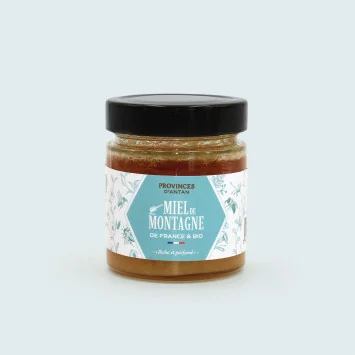
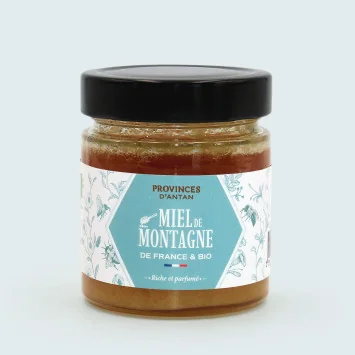
Organic French Mountain Honey* – 220g Jar
Provence d’Antan Organic Grocery: Natural, flavorful products for authentic cooking. Explore our organic spices, herbs, honeys, and jams.
Filter By
French Honey
Organic French Mountain Honey* – 220g Jar
Floral Honey
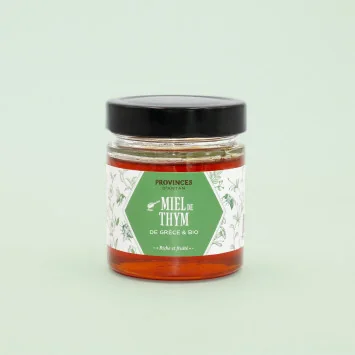
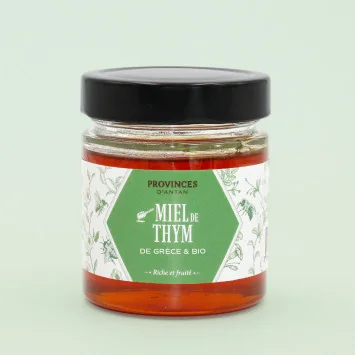
Organic Greece Thyme Honey* 220g Jar
Step into the Provence d’Antan organic grocery universe, where plants, spices and indulgent products accompany simple and creative cooking.
Herbes de Provence, PGI thyme, peppers, spice blends, fleurs de sel, coarse salts, fine salts, honeys and jams make up a selection designed for everyday gestures.
Seasoning vegetables, flavouring a marinade, preparing toast or imagining a sweet-and-savoury pairing: each product opens up new possibilities.
Elaborated with care in France, our selections bring together Provençal landscapes, culinary savoir-faire and flavours from other terroirs.
An organic grocery selection brings together food products whose agricultural ingredients are entirely or partly from organic agriculture. It may include spices, herbs, condiments, honeys, jams and various products intended for cooking.
Certification does not automatically apply to every component in the same way. Salt, for example, is a mineral substance and does not fall under organic agriculture on its own. In a composed salt, certification may apply to the herbs, vegetables, fruits or spices present in the recipe.
Geographical origin is also a separate piece of information. An organic ingredient may come from France or another country. The product sheet and label remain the sources to consult in order to check composition, certification and provenance.
Spice blends make it possible to give a recipe a clear direction in a single gesture. Certain compositions combine vegetables, plants and spices to accompany soups, sauces, slow-cooked dishes and roasted vegetables.
Other recipes explore more intense pairings around ginger, turmeric, peppers, cinnamon, cumin, coriander or chilli.
Spices can be used on their own or combined according to your desires. They accompany vegetables, cereals, meats, fish, sauces and desserts.
Choose them according to the desired intensity: fresh and lively with ginger, warm with cinnamon, deep with cumin or colourful with turmeric.
Black, white, green or from a particular terroir, each pepper has its own personality. Black pepper is suited to many recipes, while white pepper accompanies light-coloured sauces and delicate preparations.
Green pepper brings a more botanical expression. Berry blends, for their part, make it possible to create more complex profiles.
Barbecue and plancha compositions accompany vegetables, meats, fish and marinades. They can be used before cooking, mixed with oil or added with measure at the moment of serving.
Their interest lies in their balance: a single composition can bring together several spices suited to grilled cooking.
Thyme, rosemary, savory, oregano, basil or parsley accompany everyday cooking inspired by the botanical world.
Herbs can be added to a sauce, marinade, soup, roasted vegetables or slow-cooked dish. Their dosage depends on their intensity and the cooking time.
Herbes de Provence evoke the dry, luminous landscapes of the South. They accompany sun-kissed vegetables, potatoes, grilled dishes, fish, focaccias and tomato-based sauces.
The exact composition should always be checked on the label, as proportions and plants may vary depending on the recipes.
Provence PGI thyme has a protected geographical origin and specific specifications. It brings a Mediterranean signature to vegetables, sauces, marinades, meats, fish and broths.
Its dedicated page should remain the reference for discovering its precise origin, characteristics and usage advice.
Fleur de sel is mainly used as a finishing touch. Its delicate crystals accompany vegetables, fish, meats, eggs and even certain chocolate or caramel desserts.
Add it at the last moment to preserve its texture.
Coarse salt is suited to cooking water, soups, broths, slow-cooked dishes, marinades and oven cooking.
Compositions combining salt with herbs, vegetables, spices, peppers or fruits make it possible to season while giving the recipe a distinctive personality.
Fine salt disperses quickly and evenly. It accompanies salads, sauces, vegetables, fish, meats and everyday preparations.
Blends with herbs, vegetables or rosemary and lemon make it possible to choose the seasoning according to the dish.
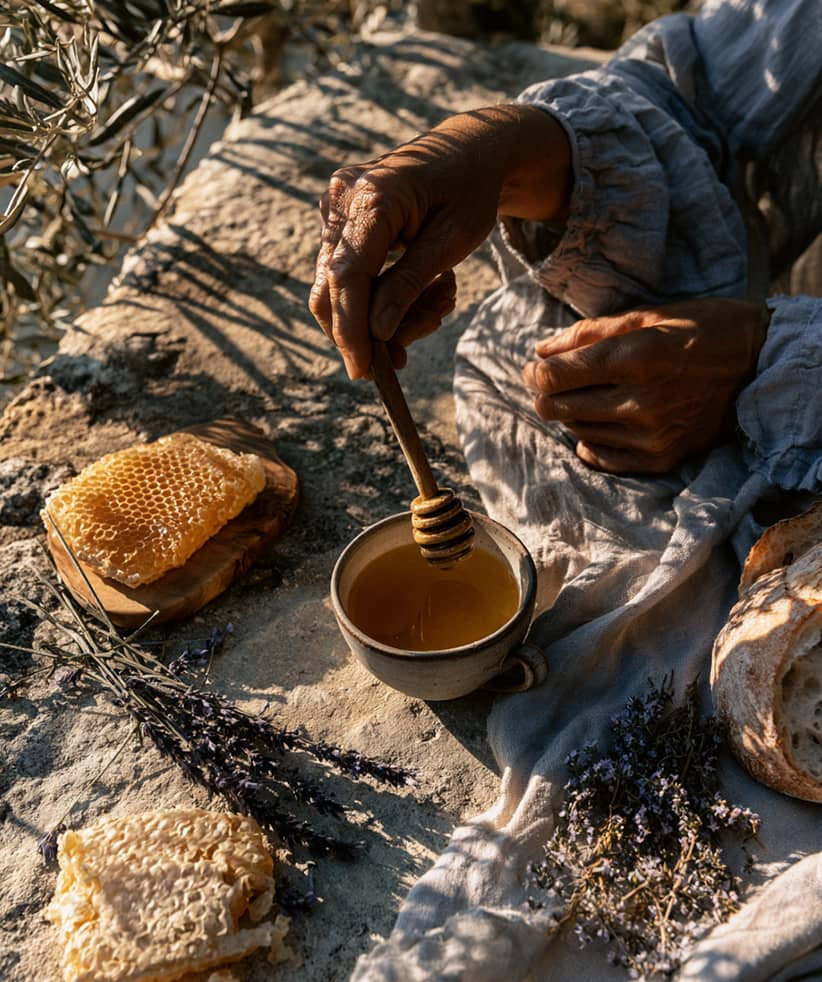
Provence d’Antan honeys bring together several floral and geographical origins. Acacia, lavender, thyme, orange blossom, chestnut, forest, mountain, heather or fir offer very different profiles.
They accompany toast, dairy products, hot drinks, pastries, cheeses and sweet-and-savoury recipes.
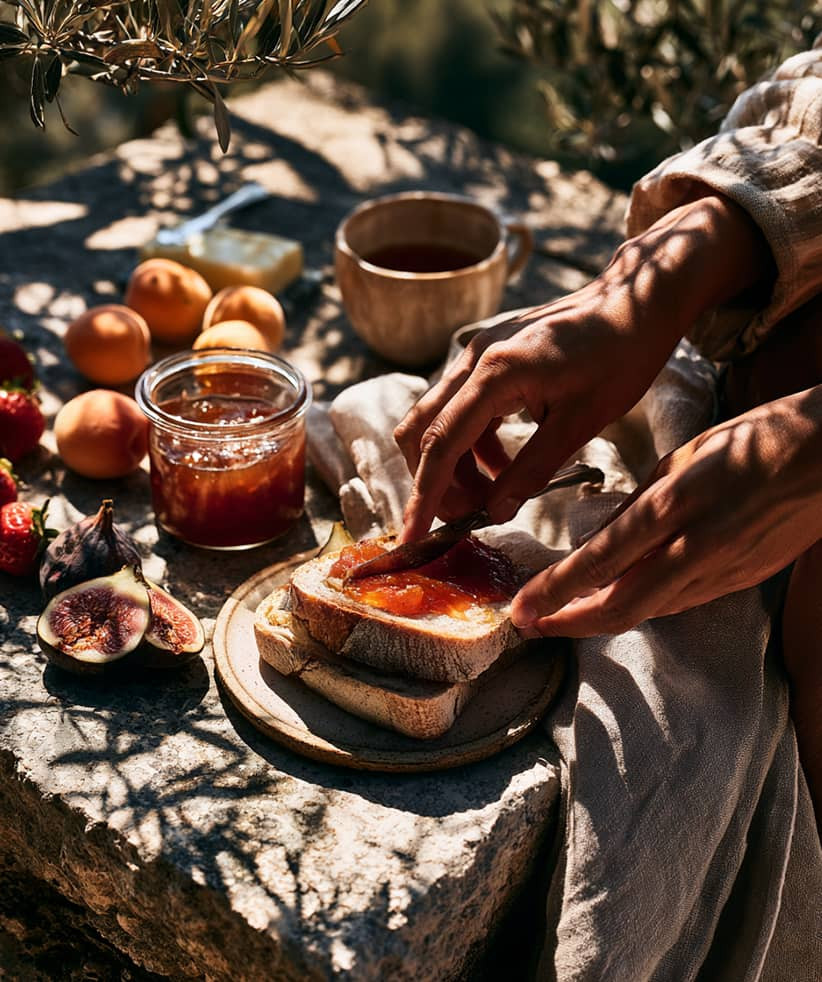
Provence d’Antan jams are elaborated with 70 g of fruit per 100 g of finished product. Strawberry, raspberry, blueberry, blackberry, mirabelle plum, apricot and fig make up the current selection.
They can be enjoyed at breakfast, at snack time or in pastries, and can also accompany certain cheeses.
Start with a versatile selection: black pepper, Herbes de Provence, a spice blend, fine salt and fleur de sel.
These products make it possible to season vegetables, pasta, cereals, sauces, fish and meats without multiplying references.
Herbs, dried vegetables and spices accompany soups, pulses, cereals, gratins and roasted vegetables.
Cumin, coriander, turmeric, ginger, thyme and rosemary make it possible to vary inspirations throughout the seasons.
Choose a BBQ spice composition, a pepper with character, a composed coarse salt or Herbes de Provence.
Use them in a marinade or add them with measure before cooking. Fleur de sel can complete the seasoning at the moment of serving.
Favour Herbes de Provence, Provence PGI thyme, Camargue fleur de sel and botanical compositions.
These products naturally accompany tomatoes, courgettes, aubergines, peppers, potatoes, fish and poultry.
Choose a honey or jam according to the desired intensity. Acacia, lavender, strawberry or apricot are suited to mild profiles. Chestnut, thyme, blackberry or fig offer more character.
Combine several textures and uses: a spice blend, a fleur de sel, a honey or a jam. You can also choose an already composed gift set to offer a coherent discovery that is easy to use.
Spices, herbs and certain salts can be incorporated into marinades or sprinkled over foods before oven cooking, barbecue or plancha cooking.
Start with a small quantity, especially with blends that already contain salt.
Herbs, coarse salts and vegetable blends accompany soups, sauces, broths and slow-cooked dishes. Add them gradually, then taste before adjusting.
Fleur de sel, certain peppers and delicate herbs are added at the last moment. This use helps preserve their texture and flavour presence.
Honeys and jams accompany bread, crêpes, brioches, yoghurts, fromage blanc, porridge and granola.
Spices such as cinnamon or ginger, honeys and jams can be incorporated into biscuits, cakes, tarts, roasted fruits and plated desserts.
Honey and jam can be used in small quantities in a sauce, vinaigrette or marinade. Spices and salts then help balance the whole.
Mix seasonal vegetables with a drizzle of olive oil and a pinch of Herbes de Provence. Add salt with measure before cooking, then a few fleur de sel crystals at the moment of serving.
Combine a small quantity of honey with mustard, lemon, olive oil and a spice blend. Use this preparation with vegetables, poultry or fish according to the recipe.
Place goat’s cheese on lightly toasted slices of bread. Add a small touch of fig jam, a few walnuts and a pinch of herbs.
Mix the potatoes with olive oil, rosemary and a small quantity of coarse salt. Bake them in the oven until golden and meltingly tender.
Add a spoonful of honey to plain yoghurt, then complete with fresh fruit, a few seeds or dried fruits.
Mix a small quantity of apricot or raspberry jam with mustard and vinegar. Gradually add the oil, then adjust the seasoning with pepper or a few herbs.
One pinch, one spoonful, a new inspiration
From Provençal herbs to honeys and jams, create living cooking according to your desires.
Button: Discover the organic grocery selection
Products in the Provence d’Antan grocery selection may bring together ingredients from several geographical origins. Certain references highlight precise provenances, such as Provence PGI thyme, Camargue fleur de sel, honeys harvested in France or certain jams made with French fruit.
Other ingredients, notably spices and certain peppers, may come from terroirs located outside France. Their origin should be checked on each product sheet and on the corresponding labelling.
Provence d’Antan imagines and selects compositions where plants, spices, salt and fruits meet. The recipes in the range are elaborated with care in France, without confusing the place of elaboration with the origin of each ingredient.
Store spices, herbs, peppers and salts in a dry place, away from humidity, light and heat. Carefully close the containers after each use.
Honeys should be stored at room temperature, in a dry place. Their crystallisation is a natural evolution.
Before opening, jams should be stored in a cool, dry place. After opening, place them in the refrigerator and follow the recommendations indicated on their label.
Always use clean, dry utensils. For products containing salt or sugars, adapt the quantities to your eating habits and to the other sources present in the meal.
Honey should never be given to a child under one year old.
An organic grocery selection brings together food products whose relevant agricultural ingredients comply with the specifications of organic agriculture. It may offer spices, herbs, condiments, honeys, jams and various culinary aids.
The selection includes spices, peppers, herbs, Herbes de Provence, Provence PGI thyme, fleurs de sel, coarse salts, fine salts, honeys, jams and culinary gift sets. The references are organised by category to make choosing easier.
Certification depends on each reference. It applies to agricultural ingredients that meet the organic specifications. As salt is a mineral substance, it cannot be certified organic on its own. Consult each label to know the exact certification.
No. Origin varies depending on the products. Certain references highlight a French or Provençal provenance, while several spices, peppers and ingredients come from other terroirs. Origin should be checked on each product sheet.
Provence d’Antan recipes and compositions are elaborated with care in France. This indication does not mean that all ingredients are grown or harvested in France. Their provenance is specified separately when available.
Choose spices according to the dish and the desired intensity. Cumin accompanies vegetables and pulses, ginger brings a lively note, cinnamon is suited to sweet and savoury preparations, while turmeric colours sauces, rice and vegetables.
Black pepper is particularly versatile. It accompanies vegetables, meats, fish, eggs and sauces. White pepper is suited to more delicate preparations, while green pepper brings a more botanical expression.
Cumin, turmeric, coriander, ginger and chilli accompany many plant-based recipes. Blends combining vegetables, herbs and spices also make it easy to create a balanced seasoning quickly.
BBQ spice blends, peppers, Herbes de Provence and certain composed coarse salts are suited to grilled dishes. They can be added to a marinade or sprinkled with measure before cooking.
Herbs generally correspond to leaves or plant parts used fresh or dried, such as thyme and rosemary. Spices may come from seeds, roots, fruits, bark or other parts of plants.
Herbes de Provence accompany sun-kissed vegetables, potatoes, tomato-based sauces, grilled dishes, fish and focaccias. They can be added before or during cooking.
The Protected Geographical Indication links the product to a defined origin and precise specifications. Provence PGI thyme is therefore distinct from a simple mention evoking Provence without geographical certification.
Coarse salt is mainly suited to cooking. Fine salt disperses quickly in preparations. Fleur de sel, made up of more delicate crystals, is generally added at the last moment to bring a finishing touch.
Salt is a mineral substance and does not fall under organic agricultural production. In a composed salt, the herbs, vegetables, fruits or spices may be certified organic. The label specifies the ingredients concerned.
Acacia, lavender or orange blossom honey accompanies delicate infusions. Thyme, forest, fir or chestnut honey is suited to more intense compositions. Add it once the drink has cooled slightly.
Mountain or forest honey can be used in a vinaigrette or marinade. Acacia is suited to light desserts. Thyme brings more character to roasted vegetables and sweet-and-savoury recipes.
Strawberry, apricot and mirabelle plum easily accompany bread and brioches. Raspberry brings more liveliness. Blueberry, blackberry and fig are suited to those looking for a more intense profile.
Fig jam accompanies goat’s cheeses, tommes and certain blue-veined cheeses. Blackberry creates a contrast with mature cheeses, while apricot and raspberry can accompany fresh cheese.
Bring together products with complementary uses: a spice blend, herbs, a fleur de sel, a honey and a jam. Adapt the selection to the person’s cooking habits and preferences.
A gift set with herbs and salt is suited to someone who enjoys cooking. A honey, a jam and a tea create an assortment for breakfast. Several spices can make up a discovery selection around world cuisines.
Place them in a dry place, away from light, heat and humidity. Carefully close their container after each use and avoid storing them directly above a hob.
Store honey at room temperature, in a dry place and away from heat. Close the jar properly after use. Crystallisation is natural and can be softened with a warm bain-marie.
After opening, place the jam in the refrigerator and carefully close the jar. Use a clean, dry spoon and follow the storage recommendations shown on the label.
Yes. Spices, herbs, composed salts, honeys and jams accompany vegetables, pulses, cereals, salads and desserts. The choice depends on the dish and the type of diet followed.
Start with a small quantity, especially with blends that already contain salt. Taste the preparation before adding more and take into account the other salty ingredients present in the recipe.
Yes. Honey and jam can be used in sauces, vinaigrettes, marinades, pastries and roasted fruits. They bring sweetness, fruit or a floral note: the other ingredients should therefore be adjusted.
The Provence d’Antan shop allows you to discover spices, herbs, salts, honeys and jams. Filters and subcategories make comparison easier according to product type, ingredients and culinary uses.
Start by choosing a universe that matches your habits: spices and herbs for cooking, salts for seasoning, honeys for drinks and recipes, or jams for breakfast. Then explore the detailed product sheets.