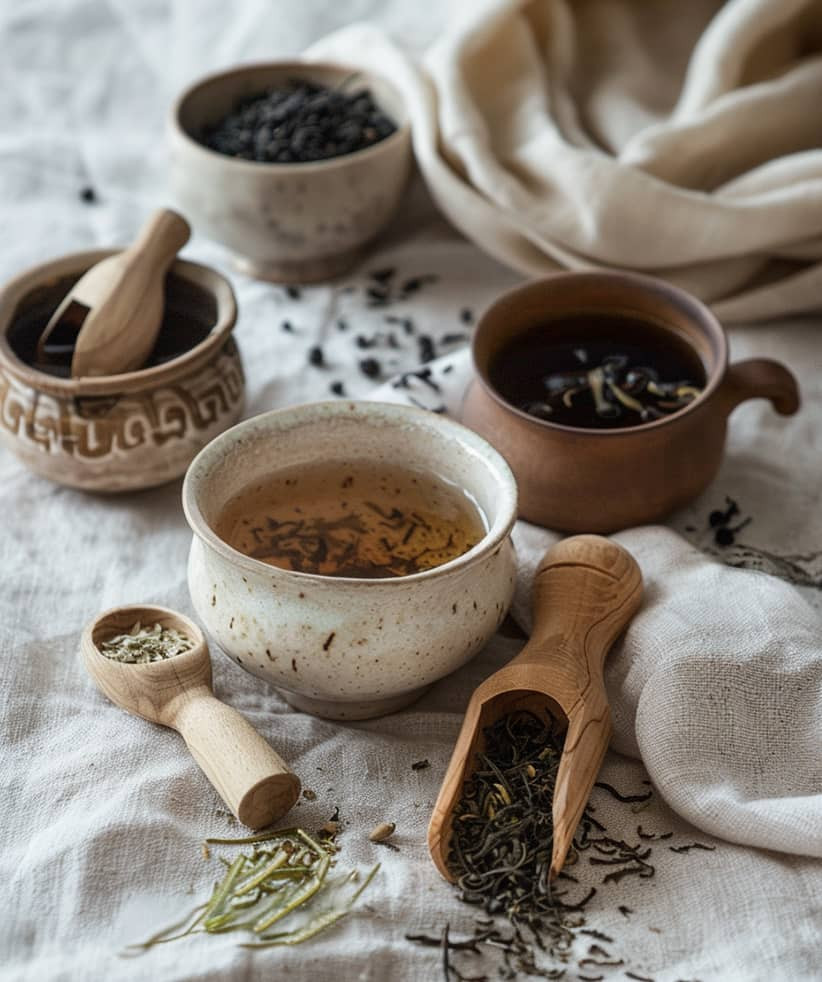
Feminine Well-Being Teas
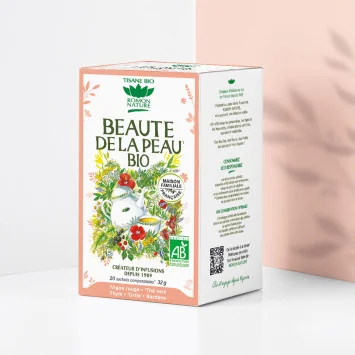
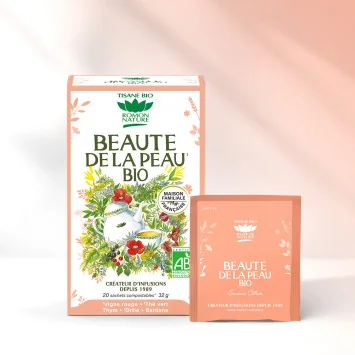
Organic Skin Beauty Herbal Tea*
Green Tea - Thyme - Nettle - Burdock - Red Vine
Provence d’Antan Organic Teas: Authentic flavors, eco-friendly practices, and exceptional quality. Enjoy green, black, white, or flavored teas for pure moments of wellness.
Filter By
Feminine Well-Being Teas
Organic Skin Beauty Herbal Tea*
Green Tea - Thyme - Nettle - Burdock - Red Vine
Organic teas appeal to tasting enthusiasts seeking authenticity, quality and preserved flavours.
Green tea, black tea, white tea, oolong tea or rooibos: each harvest reveals the unique character of its terroir and the know-how of those who cultivate it.
Certified from organic agriculture and elaborated with care in France, Provence d’Antan teas invite you to discover a refined collection where pleasure, botanical selection and commitment to more environmentally respectful agriculture meet in every cup.
Choosing organic tea means favouring leaves from organic agriculture, cultivated according to strict specifications that notably limit the use of synthetic pesticides and chemical fertilisers.
Beyond its cultivation method, organic tea highlights the quality of the leaves, respect for terroirs and the know-how of producers. Each harvest expresses the particularities of its origin and reveals a unique aromatic palette, from the botanical notes of green tea to the deep flavours of black tea, through the finesse of white tea.
At Provence d’Antan, our recipes are elaborated in France in order to combine the great traditions of tea with our contemporary vision of herbalism.
The main difference lies in its cultivation method.
Certified organic teas come from plantations that comply with European organic agriculture regulations. Producers implement practices that promote soil balance, biodiversity and the preservation of natural resources, while limiting the use of synthetic pesticides and chemical fertilisers.
Organic tea is also distinguished by rigorous traceability and regular checks carried out by independent certification bodies.
A true organic tea carries organic certification issued by an approved body in accordance with European regulations.
This certification notably guarantees:
Respect for the organic agriculture specifications;
Traceability of ingredients;
Regular checks throughout the supply chain;
Compliance with European requirements applicable to organic products.
At Provence d’Antan, we also pay particular attention to the botanical quality of ingredients and to long-term relationships with our partners.
Health uses are attributed exclusively to the plant Camellia sinensis.
Tea (Camellia sinensis)
Tea contributes to protecting cells against oxidative stress.
Tea contributes to lipid metabolism.
Tea contributes to the maintenance of normal cholesterol levels as part of a balanced diet.
Tea contributes to normal urinary elimination functions.
The character of a tea is born first and foremost from its terroir.
Our leaves come from regions recognised for their tea-growing traditions, including:
Sri Lanka, renowned for its elegant and aromatic teas.
Assam, India, famous for its generous and malty black teas.
Vietnam, appreciated for its delicate green teas and artisanal harvests.
Each origin brings its own aromatic personality, influenced by climate, altitude, soil and local know-how.
Our teas are certified from organic agriculture.
They are elaborated in France.
They come from recognised terroirs such as Sri Lanka, Assam or Vietnam.
Green tea, black tea, white tea, oolong tea and rooibos meet every preference.
Health uses are attributed exclusively to the plant Camellia sinensis.
For a botanical tasting experience
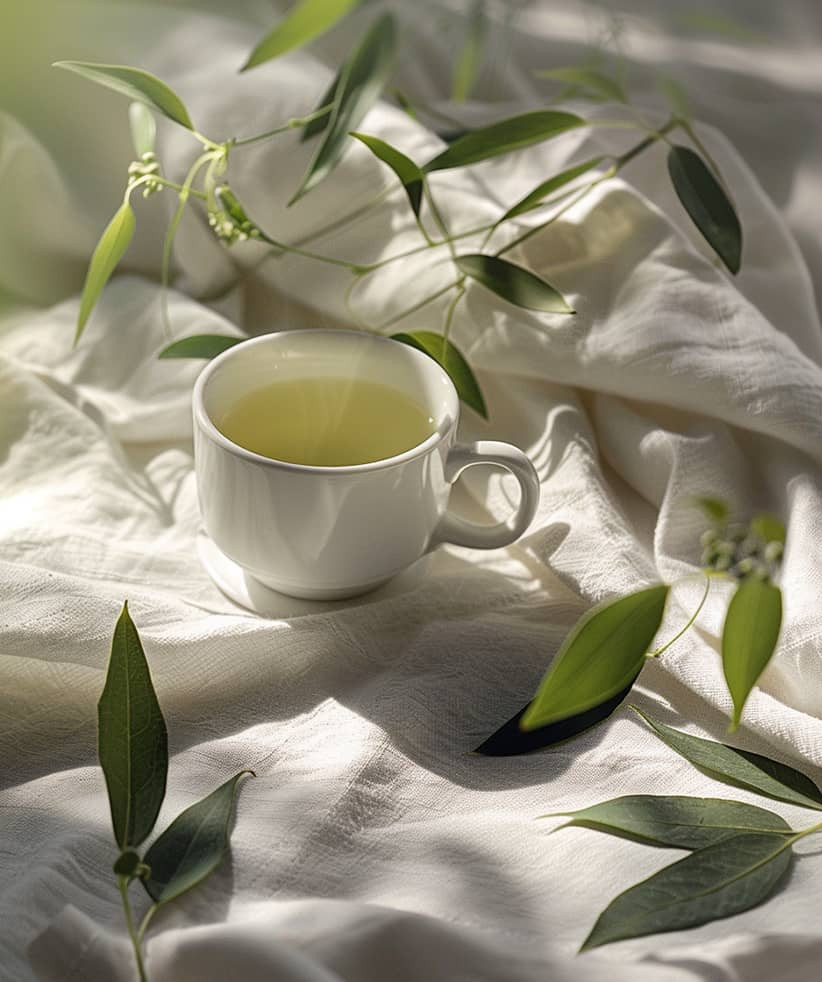
Choose green teas.
For a full-bodied cup
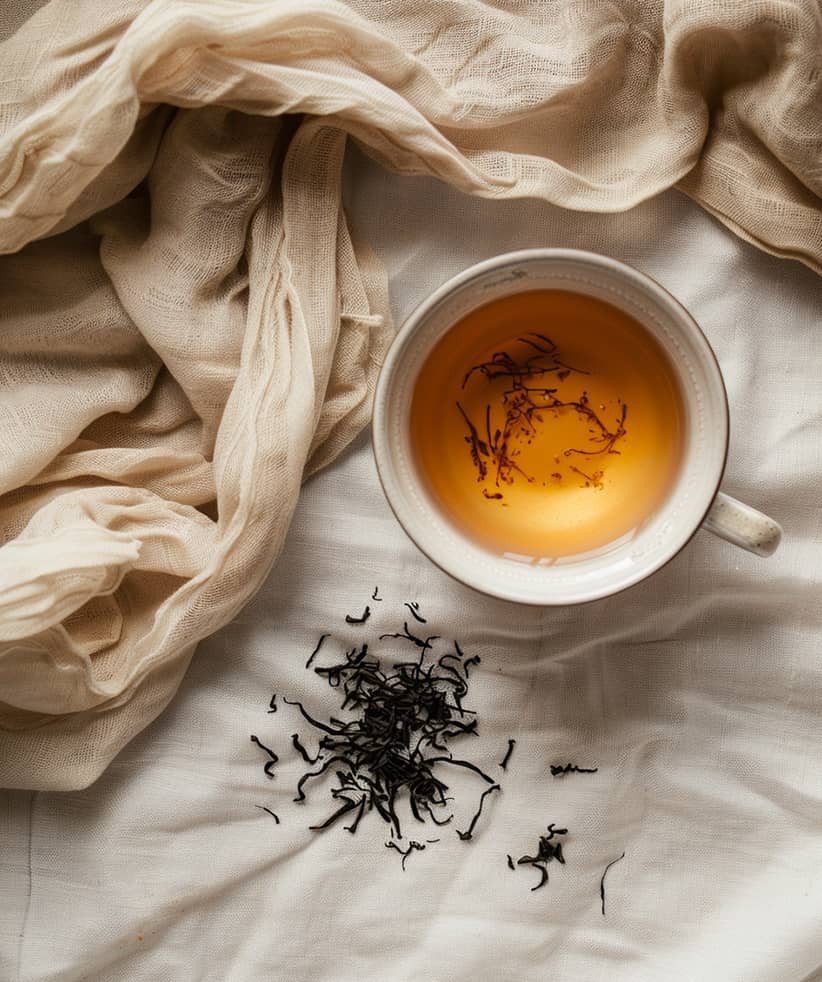
Black teas develop deeper notes.
For a refined tasting experience
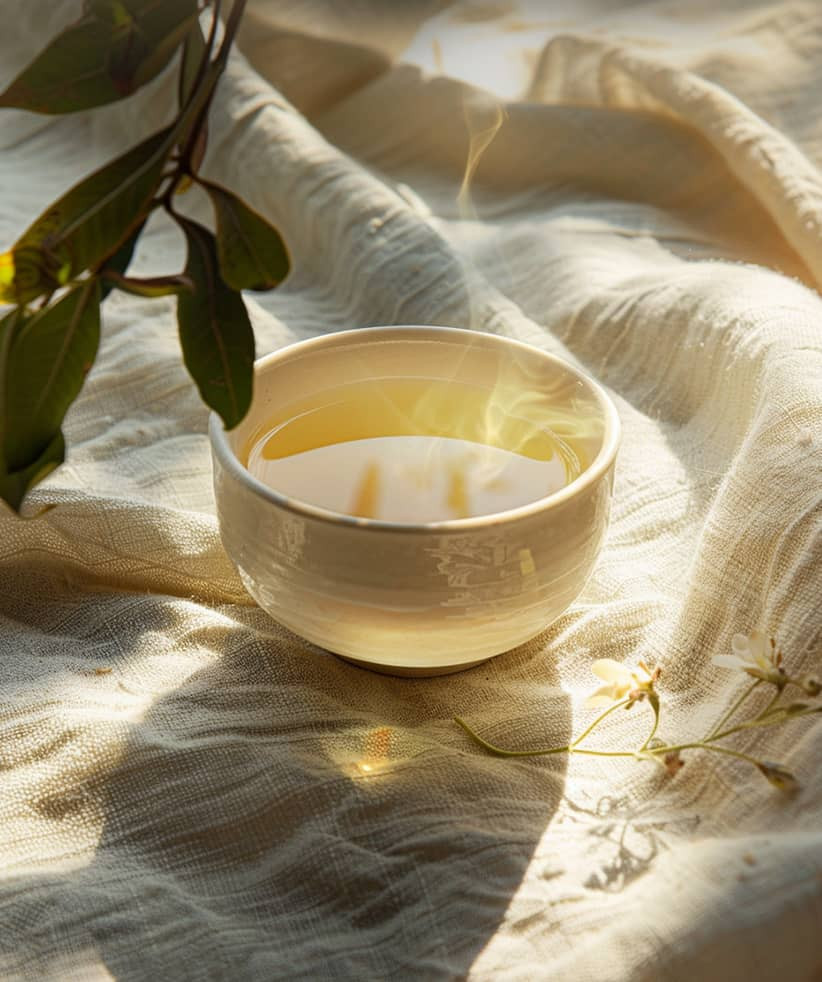
White teas appeal through their delicacy.
For a naturally theine-free drink
Rooibos is an excellent alternative.
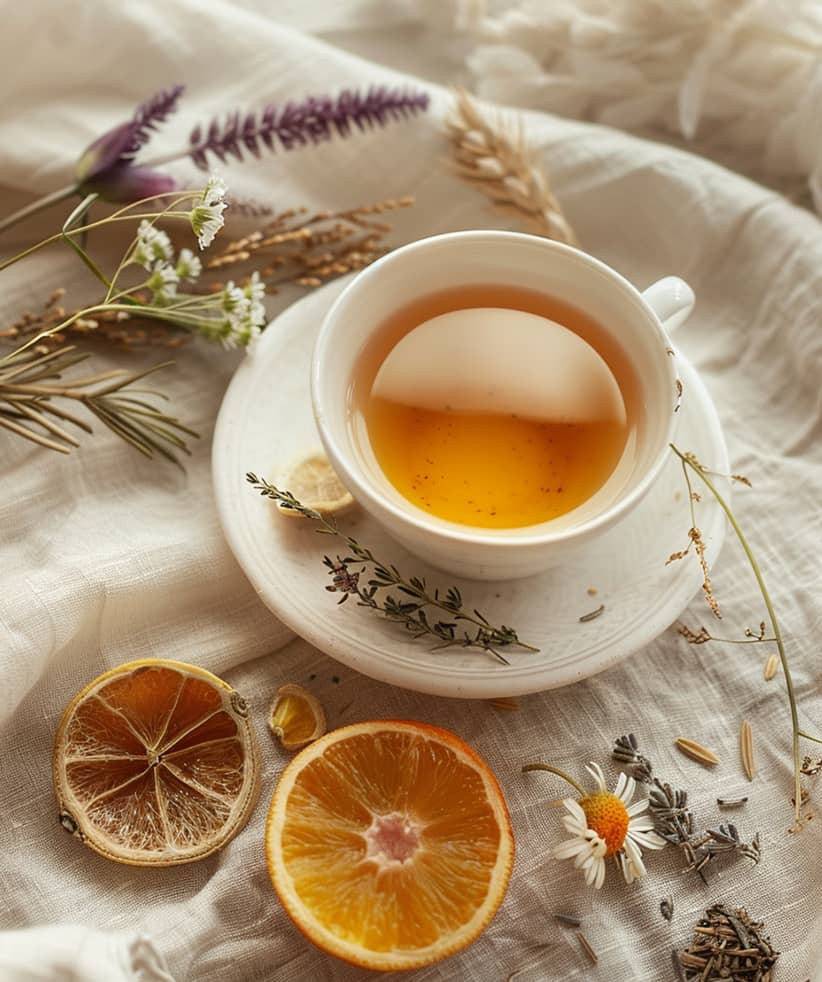
Discover teas scented with flowers, citrus fruits, fruits or spices.
In the morning
Green teas and black teas are ideal companions for the start of the day.
During the day
White teas and oolong teas offer a lighter tasting experience.
In the evening
Rooibos makes it possible to prolong the pleasure without theine.
Approximately 2 g of tea per cup;
Temperature suited to each variety, from 70°C to 95°C;
Infusion time: 2 to 5 minutes depending on the tea.
We favour producers recognised for the quality of their harvests and their mastery of traditional know-how.
We pay particular attention to fairer remuneration for producers and the different partners in the supply chain, in order to contribute to long-term and balanced relationships.
Each recipe is elaborated in France from a rigorous botanical selection in order to preserve the aromatic richness of the leaves.
Provence d’Antan organic teas bring together green teas, black teas, white teas, Earl Grey, loose organic teas and scented recipes elaborated in France. From organic agriculture, they accompany morning and daytime pauses with botanical, full-bodied, floral, fruity or spiced cups. For a naturally theine-free alternative, also discover our organic theine-free infusions and our organic rooibos.
Organic tea is tea from organic agriculture. It may be green tea, black tea, white tea, Earl Grey or a recipe made with tea leaves.
Organic certification guarantees compliance with regulated specifications, particularly regarding the agricultural practices used. At Provence d’Antan, organic teas are elaborated in France to offer a refined, botanical, full-bodied, floral or indulgent tasting experience, depending on the recipes.
The main difference lies in the cultivation method. Organic tea comes from organic agriculture, with specific specifications. Classic tea does not necessarily meet the same requirements.
Choosing organic tea makes it possible to favour a more regulated supply chain, attentive to agricultural practices, traceability and leaf quality.
Organic tea must be certified by an authorised body in order to officially use the organic label.
Organic certification is an important marker for consumers, as it helps distinguish tea from organic agriculture from a product simply presented as natural or botanical. It is recommended to check the mentions shown on the packaging or product page.
Organic tea is cultivated according to organic agriculture specifications, which notably exclude the use of synthetic pesticides and synthetic chemical fertilisers.
To remain precise, it is preferable to refer to practices regulated by organic certification rather than claiming an absolute absence of any substance. At Provence d’Antan, ingredient selection is also part of a commitment to quality and control.
Yes, organic tea naturally contains theine when it is prepared from tea leaves. This is the case for organic green tea, organic black tea, organic white tea and organic Earl Grey.
The theine content may vary depending on the recipe, dosage, infusion time and individual sensitivity. For the evening, it is preferable to choose an organic theine-free infusion or organic rooibos.
Tea naturally contains theine. Decaffeinated teas exist, but they should not be confused with theine-free infusions.
For a naturally theine-free drink, it is better to choose an organic infusion made with plants, fruits, flowers, spices or organic rooibos. Rooibos is often called “red tea”, but it does not come from the tea plant.
No, organic rooibos is not a tea in the botanical sense, as it does not come from the tea plant.
It is naturally theine-free and belongs more to the world of infusions. Its soft, rounded and lightly woody taste makes it a beautiful alternative to organic tea, especially for evening pauses or for those who wish to avoid theine.
For the morning, organic black tea can offer a full-bodied, rounded and deep cup.
Organic green tea will be more suitable for those who enjoy botanical, fresh and light notes. Organic Earl Grey can also accompany breakfast with an elegant signature of citrus notes. The choice depends on the desired taste and sensitivity to theine.
In the afternoon, organic green tea, organic white tea, fruity tea or organic Earl Grey can accompany a soft and refined pause.
White teas offer a more delicate cup, green teas bring botanical freshness, while fruity or floral teas add a more indulgent touch in perception.
As tea naturally contains theine, sensitive individuals may prefer to avoid green tea, black tea, white tea or Earl Grey in the evening.
For the evening, it is often more suitable to choose an organic theine-free infusion, such as verbena, linden, chamomile, lemon balm or organic rooibos.
Organic green tea generally offers a botanical, fresh and light cup. Organic black tea provides a fuller-bodied, rounded and deeper tasting experience.
Organic white tea is more delicate, floral and subtle. These three families all come from the tea plant, but their processing and tasting profiles are different.
Organic Earl Grey tea is a recipe made with tea, most often black or green depending on the compositions, combined with citrus notes.
It is a great classic in the world of tea, appreciated for its elegance and balance. In its organic version, it comes from organic agriculture and can accompany breakfast, afternoon snack time or a refined pause.
Loose organic tea allows you to dose the quantity according to your preferences, adjust the intensity of the cup and limit individual packaging.
It is a format appreciated by tea lovers who enjoy observing the leaves, preparing their infusion with care and personalising their ritual. Loose tea is part of a more understated gesture, without compromising on taste quality.
Preparation depends on the type of tea. Organic green tea or organic white tea generally prefers hot but not boiling water, in order to preserve the finesse of the leaves.
Organic black tea often tolerates hotter water. The infusion time should be respected to avoid bitterness and preserve the balance of the cup.
Yes, many organic teas are well suited to iced tasting. Organic green tea, organic white tea, fruity teas and citrus recipes are particularly enjoyable cold.
Simply prepare a slightly more concentrated infusion, leave it to cool, then serve it with ice cubes, fresh fruits or a slice of lemon.
Provence d’Antan pays attention to fairer remuneration for producers and partners throughout the supply chain through its internal charters.
Without necessarily relying systematically on a fair trade label, the house monitors respect for its commitments: product quality, respect for taste, respect for the environment and fairer remuneration for the partners involved.
Depending on the recipes and sourcing, organic teas may come from recognised terroirs such as Sri Lanka, Assam or Vietnam.
Each origin brings a different signature: fuller-bodied, more botanical, rounder or more luminous. The teas are then elaborated in France in order to create balanced, refined recipes faithful to the desired taste.
Organic tea should be stored in a dry place, away from light, heat and humidity.
It is recommended to close the bag, box or refill carefully after each use in order to preserve the finesse of the leaves and the balance of the recipe. Avoid placing it near powerful spices, coffee or highly fragrant ingredients.
Choosing Provence d’Antan organic teas means enjoying green teas, black teas, white teas, Earl Grey, loose teas and scented recipes elaborated in France in the spirit of contemporary herbalism.
It also means choosing a house attentive to organic certification, leaf quality, respect for taste, respect for the environment and fair remuneration for producers as well as partners throughout the supply chain, thanks to internal charters followed with care and high standards.