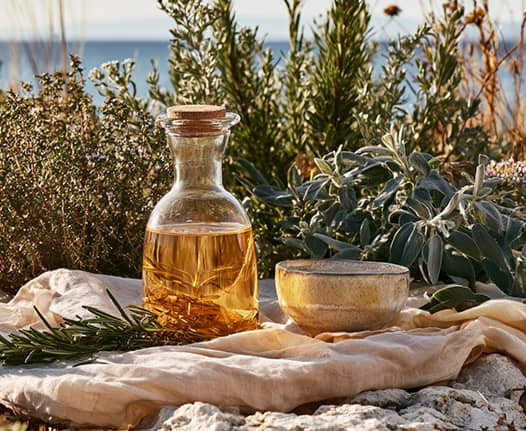
Anti-Stress Herbal Teas
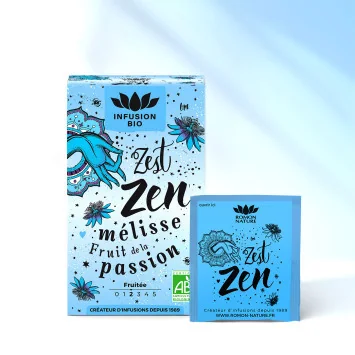
Organic Zest Zen Infusion*
Passionflower - Lemon Balm - German Chamomile
Organic herbal infusions crafted in France to accompany evening relaxation and offer a moment of serenity before the night.
Filter By
Anti-Stress Herbal Teas
Organic Zest Zen Infusion*
Passionflower - Lemon Balm - German Chamomile
Herbal Tea Gift Sets
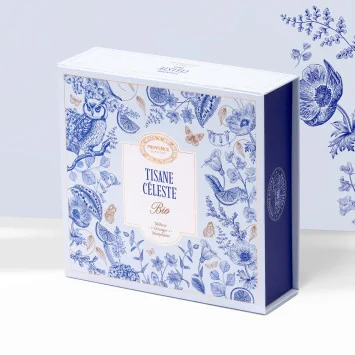
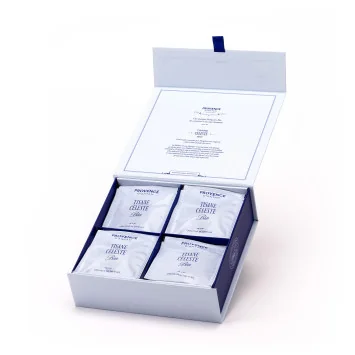
Organic Celeste Infusion* Magnetic Paperboard Set
Lemon Balm - Orange Blossom - Marjoram
Soothing blends to accompany relaxation and the bedtime ritual
The Evening Herbal Infusions collection brings together blends crafted in France, inspired by traditional Provençal herbalism. Designed to accompany the end of the day, our recipes combine carefully selected plants known for their traditional uses: contributing to relaxation, encouraging a moment of calm, or gently supporting the transition toward rest, depending on the composition.
Enjoyed as a warm cup or integrated into a daily ritual, these infusions offer a gentle botanical experience, respectful of the body’s natural rhythm and conducive to a serene bedtime.
Evening infusions designed to accompany relaxation and the transition into night.
Plants traditionally used to contribute to relaxation and calm at the end of the day.
Moderate and regular hydration supporting nighttime comfort.
Statements attributed to plants according to their traditional uses.
General precautions: pregnancy, breastfeeding, ongoing treatments — seek professional advice if necessary.
Carefully formulated in a compliant and prudent approach.
Chamomile (Matricaria recutita)
Traditionally appreciated for contributing to a moment of relaxation.
Lemon Balm (Melissa officinalis)
Traditionally used to support relaxation during periods of temporary tension.
Lemon Verbena (Aloysia citrodora)
Traditionally enjoyed to accompany a calming infusion moment.
Linden (Tilia spp.)
Traditionally consumed to help create a soothing atmosphere.
Lavender (Lavandula angustifolia)
Traditionally used in herbal infusions dedicated to relaxation.
Passionflower (Passiflora incarnata)
Traditionally used to contribute to relaxation.
All statements are expressed as traditional uses attributed to the respective plant.
What does “Evening Herbal Infusion” mean at Provence d’Antan?
It is not a promise — it is a ritual.
Accompanying the end of the day begins with simple gestures:
– gradually reducing stimulation
– maintaining appropriate hydration
– creating a botanical pause before bedtime
Our evening infusions are part of this gentle and consistent approach. They support a balanced routine, respectful of the body’s natural rhythm.
For a floral moment of relaxation
Favour chamomile, lavender, or linden.
For a more pronounced sense of relaxation
Choose blends containing lemon balm or passionflower.
For a sensory ritual
Select delicate floral profiles with soft, enveloping notes.
For daily enjoyment
Opt for gentle, well-balanced blends that are pleasant in a small cup.
Ideally, about one hour before bedtime.
Recommended quantity: approximately 20 to 25 cl (7–8 fl oz) to help limit nighttime awakenings related to urination.
Taking a moment to use the bathroom before going to bed helps preserve sleep continuity.
Follow the infusion times indicated on the packaging and respect the recommended quantities.
Reduce screen exposure about one hour before bedtime.
Favour soft, dim lighting.
Read a few pages, enjoy a calm conversation, or practice slow breathing.
Inhale through the nose for 4 seconds.
Hold for 2 seconds.
Exhale slowly for 6 seconds.
Repeat for 5 to 10 cycles.
The infusion then becomes a gentle signal, marking the transition into the night.
If pregnant or breastfeeding, seek advice before regular consumption.
Certain plants may interact with ongoing treatments.
Herbal infusions do not replace a prescribed treatment for sleep disorders.
In case of persistent difficulties, consult a healthcare professional.
Evening infusions — a botanical pause to accompany the end of the day
An evening infusion invites you to slow down after an active day. The warmth of the cup, the fragrance of the plants, and the quiet time of infusion naturally create a moment of transition toward calm. This ritual helps the body step away from the day’s activity and enter a more peaceful atmosphere.
Most people enjoy an infusion about 30 to 60 minutes before going to bed. This moment allows you to settle into a quieter environment, reduce stimulation, and gently prepare the body for rest.
Which plants are traditionally used in evening infusions?
Several plants are appreciated for their soft and enveloping profiles:
These plants are traditionally associated with moments of relaxation and evening rituals.
For a balanced cup:
Steeping for too long may increase bitterness. If the flavour becomes too strong, simply add a little hot water.
Yes. An evening infusion can easily become part of a daily routine. Many people adopt this moment as a relaxing ritual before bedtime.
Yes. A fragrant infusion offers a gentle alternative to sweet or stimulating beverages consumed late in the day. It brings warmth and comfort without making the evening feel heavy.
If you wish, you may enhance your cup with:
These additions soften the flavour while preserving the character of the plants.
From the age of 3, certain very gentle infusions (such as linden or chamomile) may be served lightly infused and warm.
Simply reduce the infusion time to 2 or 3 minutes and add a little warm water for a lighter drink.
If this happens, try drinking your infusion earlier in the evening—for example, after dinner rather than just before going to bed.
Balanced hydration distributed throughout the day contributes to overall well-being. In the evening, it is generally preferable to enjoy a small cup in order to preserve uninterrupted rest.
No. They accompany a balanced lifestyle but are not intended to replace any medical treatment.
Yes. Some recipes can be infused in advance and then enjoyed warm or slightly cooled in small amounts throughout the evening.
Yes. Slow and steady breathing can help support relaxation before bedtime.
The body follows biological rhythms known as circadian rhythms. Creating a consistent routine helps the body understand that the day is ending and that the time for rest is approaching.
A few simple practices can help prepare this moment:
Yes. Certain nutrients contribute to the balance of the nervous system:
A varied and balanced diet supports better nighttime recovery.
Yes. Regular daytime activity helps regulate sleep patterns. A gentle walk in the late afternoon or early evening can help release accumulated tension.
Here is a simple example:
1. Prepare the cup
Heat the water and allow the plants to infuse for a few minutes.
2. Create a calm atmosphere
Soft lighting, slow breathing, and gentle music if desired.
3. Savour slowly
Drink the infusion warm, taking a few moments to slow down.
4. Transition toward sleep
Quiet reading, deep breathing, or light stretching.
This moment transforms a simple cup into a true ritual of serenity before the night.
Discover our other botanical herbal teas
Explore the Provence d’Antan herbalist universe
Learn more about our craftsmanship and commitments