Mediterranean plants: benefits as infusions and summer ideas
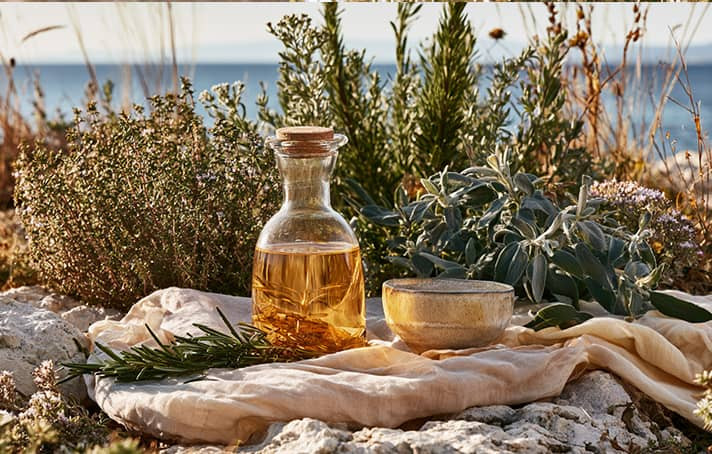
In summer, Mediterranean plants feel more natural than ever. They evoke the garrigue, Provençal markets, dry gardens, outdoor meals, fresh carafes and those end-of-day moments when the light becomes softer. Thyme, rosemary, fennel, hibiscus, verbena, mint, lavender, sage and ginger compose a sun-filled herbarium, at once culinary, sensory and deeply connected to well-being rituals.
As infusions, these plants do not only tell the story of the South. They accompany very concrete moments: a refreshing pause when the weather is hot, a cup after a generous meal, an iced alcohol-free drink, an evening ritual or a feeling of lightness after an active day. At Provence d’Antan, infusions elaborated in France invite you to rediscover these plants with high standards, pleasure and discernment.
Why are Mediterranean plants ideal in summer?
Which Mediterranean plants should you choose as an infusion?
The benefits of Mediterranean plants as infusions
How to prepare them hot or iced
How to enjoy them as part of a summer ritual
Indulgent or botanical pairings
Which Provence d’Antan products should you discover?
Precautions to know
Key points
FAQ
Why are Mediterranean plants ideal in summer?
Mediterranean plants have grown within an imagination of sun, heat, dry soils and botanical fragrances. They often have a distinctive taste: herbaceous, lemony, aniseed, floral or lightly spiced. This is what makes them so interesting as infusions: they bring real personality to the cup, even when served cold.
In July, August and right through to the last days of summer, they make it possible to vary everyday drinks. Some are particularly well suited to iced infusions, such as hibiscus, verbena or mint. Others find their place after meals, such as fennel, peppermint or rosemary. Thyme evokes winter rituals, but it remains perfectly coherent in summer when combined with lemon, rosemary or Provençal cooking recipes.
Which Mediterranean plants should you choose as an infusion?
Thyme, an emblematic plant of Provence
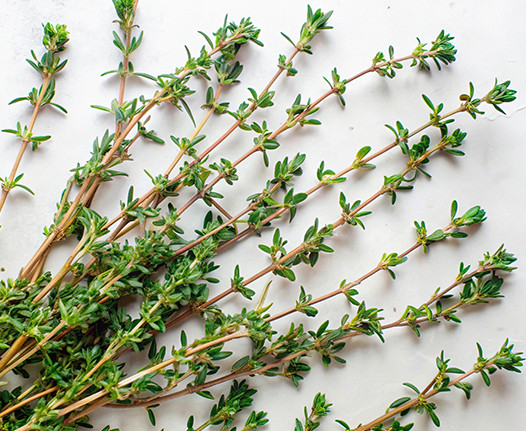
Thyme is one of the plants most closely associated with Provence. As an infusion, it offers a bold, herbaceous, lightly woody and highly recognisable cup.
According to the uses attributed to thyme, it is associated with the well-being of the throat and chest, the upper respiratory tract and a soothing influence on the throat.
In summer, it can be enjoyed hot after a meal or incorporated into more creative cooking: infused vinaigrette, marinade, grilled vegetables, peach and burrata, or a thyme-lemon infusion.

Rosemary, a garrigue plant associated with digestion
Rosemary has an immediately Mediterranean power. It evokes hillsides, slow-cooked dishes, roasted potatoes, grilled foods and infusions with character.
The claims associated with rosemary make it possible to mention hepatobiliary drainage, liver and biliary function, fat digestion, digestive comfort and the presence of natural antioxidants.
Its taste is fresh, botanical and resinous, with beautiful length on the palate. It works very well with lemon, thyme, marjoram, sage or savoury recipes.

Fennel, the soft aniseed note after meals
Fennel is recognised for supporting digestive tract health, helping digestion, promoting digestive comfort and accompanying good intestinal transit. It is also associated with normal urinary elimination functions and renal elimination of water.
As an infusion, its soft aniseed note is pleasant after a meal. In summer, it accompanies changes in rhythm: restaurants, aperitifs, later meals, picnics and local specialities.

Hibiscus, intense colour and summer spirit
Hibiscus is one of the most summery plants as an infusion. Its intense red colour, tangy taste and ability to be enjoyed iced make it an ideal base for summer carafes, alcohol-free aperitifs and terrace drinks.
The claims associated with hibiscus make it possible to mention renal elimination of water, the body’s elimination functions, drainage, good circulation in the microvessels, sensations of heavy legs, as well as support for digestion and normal intestinal functions.
It is a particularly relevant plant in August, when heat, travel, standing for long periods and summer meals may create sensations of discomfort.

Lemon verbena, the sun-filled plant of late afternoons
Lemon verbena is highly sought after for evening rituals. Its fresh, botanical and lightly lemony taste makes it an ideal infusion for the end of the day, summer evenings and moments after dinner.
Verbena is traditionally used to help find better sleep and to reduce nervous tension, instability, irritability or agitation. It is an evening ritual, a calm pause, a moment of transition, and not a medical solution.
It can be enjoyed hot, warm or cold, on its own or combined with mint, lemon, peach or lemon balm.

Peppermint, freshness and digestive comfort
Peppermint is a very coherent plant for sunny days. Its immediate freshness makes it ideal as a cold infusion, in a carafe or in an alcohol-free drink.
It is associated with digestive functions, the normal functioning of the intestinal tract, healthy digestion and intestinal health. It may also be mentioned in relation to bloating and abdominal spasms, with caution.
In summer, it pairs very well with lemon, hibiscus, green tea, watermelon or red fruits.

Lavender, the flower of calm and evening rituals
Lavender immediately evokes Provence. As an infusion, it should be used delicately, as its floral taste can quickly become dominant. When well dosed, it brings a tender, botanical and deeply Provençal touch.
The claims associated with lavender make it possible to mention optimal relaxation, support for relaxation, the maintenance of healthy sleep and abdominal pain.
Lavender naturally finds its place in evening herbal teas, rituals of returning to calm or pairings with peach, apricot, chamomile or verbena.

Ginger and lemon, a lively duo for summer
Ginger is not Mediterranean in the strict botanical sense, but it is very present in Provence d’Antan’s summer pairings, especially with lemon.
Ginger is associated with supporting digestion, the normal functioning of the intestinal tract, gastrointestinal well-being, vitality and energy. It may also be mentioned in relation to travel, as it supports normal gastric function during journeys.
In summer, it brings a lively note, almost tonic on the palate, particularly interesting in iced infusion, with lemon, mint or hibiscus.

The benefits of Mediterranean plants as infusions
To accompany digestion
Summer meals are often later, more generous and more convivial. Several Mediterranean plants are traditionally associated with digestion.
Fennel is recognised for helping digestion, supporting digestive comfort and promoting good intestinal transit. Peppermint contributes to digestive functions and to the normal functioning of the intestinal tract. Rosemary supports liver and biliary function, helps support digestion and contributes to the digestion of fats. Ginger promotes digestion and supports the normal functioning of the digestive tract.
These plants can accompany the end of a meal, as part of a varied and balanced diet.
For sensations of heavy legs and heat
Hibiscus is associated with good blood circulation in the microvessels and sensations of heavy legs. It is also used to improve renal elimination of water and help support the body’s elimination functions.
In summer, it can therefore be interesting as part of an end-of-day ritual, especially after a long journey, a day spent standing or a period of intense heat. It pairs very well with a simple routine: drinking regularly, walking gently, seeking coolness and raising the legs if needed.
For evening rituals
Verbena is traditionally used to help find better sleep and reduce nervous tension. Lavender helps support relaxation and maintain healthy sleep. Lemon balm, often associated with these compositions, contributes to optimal relaxation and calm rest.
These plants should not be presented as medical solutions for sleep. Rather, they accompany a ritual: a cup, soft lighting, a few minutes without screens, a return to calm.
For elimination functions
Fennel contributes to normal urinary elimination functions and promotes renal elimination functions. Hibiscus is used to help support the body’s elimination functions and drainage. Rosemary supports hepatobiliary drainage and helps support normal liver function.
These formulations should remain informative, without overpromising.
How to prepare these plants hot or iced
As a hot infusion
For plant-based herbal teas, pour very hot water over the blend or chosen plant, then generally leave to infuse for 6 to 8 minutes according to the product’s recommendations.
Fennel, thyme, rosemary, verbena, peppermint and lavender are all very well suited to hot tasting, especially after a meal or at the end of the day.
As an iced infusion
For an iced version, prepare a concentrated infusion with a small quantity of hot water, then pour it directly over a large amount of ice cubes. Top up with very cold water.
This method works particularly well with hibiscus, verbena, mint, ginger-lemon or fruity infusions.
In a summer carafe
For a softer carafe, leave the plants to infuse cold for several hours in the refrigerator. Then add slices of lemon, red fruits, peach, orange or a few mint leaves.
How to enjoy them as part of a summer ritual
In the morning, a ginger-lemon infusion can bring a lively and luminous note, to be enjoyed fresh or warm.
After lunch, fennel, peppermint or rosemary readily accompany the end of a meal.
In the late afternoon, iced hibiscus becomes a very pleasant, colourful and alcohol-free drink.
In the evening, verbena, lavender or lemon balm can accompany a small ritual of returning to calm.
For an alcohol-free aperitif, a hibiscus-mint or verbena-lemon infusion served in a carafe with ice cubes creates an elegant alternative to classic sweetened drinks.
Which Provence d’Antan products should you discover?
Rosemary Herbal Tea cultivated in France
An infusion with character centred around rosemary, ideal for lovers of garrigue plants and botanical cups. It fits perfectly into an after-meal ritual.
Rosemary Herbal Tea cultivated in France
Thyme Herbal Tea cultivated in France
An emblematic plant of Provençal traditions, to be enjoyed hot.
Thyme Herbal Tea cultivated in France
Fennel Herbal Tea cultivated in France
A soft, aniseed infusion.
Fennel Herbal Tea cultivated in France
Hibiscus Herbal Tea
An intense red, tangy infusion, perfect for iced carafes, alcohol-free drinks and summer rituals around heavy legs, water elimination and digestive comfort.
Verbena Herbal Tea
A sun-filled plant for the end of the day, to highlight in content about evening, sleep and relaxation rituals.
Ginger Lemon Infusion
A lively, highly searched-for composition that works just as well hot as iced. It makes it possible to work on queries such as “ginger lemon infusion” and “lemon ginger infusion”.
Provence d’Antan Well-being Herbal Teas
For broader internal linking, this article can link to the digestion, sleep, circulation, water retention, single-plant herbal teas and well-being infusions categories.
Provence d’Antan Well-being Herbal Teas
Precautions to know
Plants should be consumed with discernment, even when they are familiar.
Thyme is not recommended for children under 12, pregnant or breastfeeding women, or in cases of allergy to Lamiaceae.
Rosemary is not recommended for children under 12, pregnant or breastfeeding women, or in cases of biliary obstruction or biliary function disorders.
Fennel is not recommended for children under 4, pregnant or breastfeeding women, or in cases of allergy to Apiaceae, mugwort pollen or anethole.
Peppermint is not recommended for children under 4, pregnant or breastfeeding women, or in cases of gastro-oesophageal reflux, ulcer, gastritis, liver disorders or allergy to menthol.
Lavender is not recommended for children under 12, pregnant or breastfeeding women.
Ginger is reserved for adults in certain uses and is not recommended for pregnant or breastfeeding women, people taking anticoagulants, anticancer or immunosuppressive treatments, or in cases of biliary disorders.
For hibiscus and verbena, regular consumption should remain adapted to the individual situation. In cases of pregnancy, breastfeeding, medical treatment, known health condition or doubt, it is recommended to seek advice from a healthcare professional.
Key points
FAQ — Mediterranean Plants
Which Mediterranean plants should you discover as infusions?
The most interesting Mediterranean plants as infusions are thyme, rosemary, fennel, verbena, mint, lavender, sage and, depending on the compositions, hibiscus or ginger-lemon for livelier summer drinks.
Which Mediterranean plant should you choose for digestion?
Fennel, peppermint, rosemary and ginger are particularly suited to content around digestion. Fennel supports digestive comfort, peppermint contributes to digestive functions, rosemary supports liver and biliary function, and ginger promotes digestion.
Which infusion should you drink when the weather is hot?
When the weather is hot, hibiscus, verbena, mint and ginger-lemon infusions are very well suited to iced drinks. They can be served in a carafe with ice cubes, citrus fruits, peach or red fruits.
Which plant should you choose for heavy legs in summer?
Hibiscus is associated with good blood circulation in the microvessels and sensations of heavy legs. It can accompany an end-of-day ritual, especially in hot weather or after a long journey.
Which Mediterranean plant should you drink in the evening?
Verbena and lavender are very coherent choices for evening rituals. Verbena is traditionally used to help find better sleep, while lavender helps support relaxation and maintain healthy sleep.
What is the difference between Herbes de Provence and plants as infusions?
Herbes de Provence are more intended for cooking and generally combine plants such as thyme, rosemary, savory or oregano. Plants as infusions are prepared in hot or cold water to create a botanical drink, according to dosages and precautions specific to each plant.
Can you drink Mediterranean plants every day?
Some plants can be included in a varied routine, but it is preferable to alternate infusions, respect dosages and take precautions into account. In cases of pregnancy, breastfeeding, medical treatment, health condition or doubt, seek advice from a healthcare professional.