Organic Slimming Herbal Teas
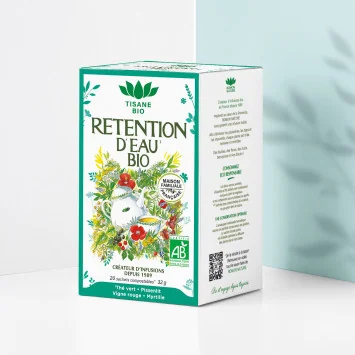
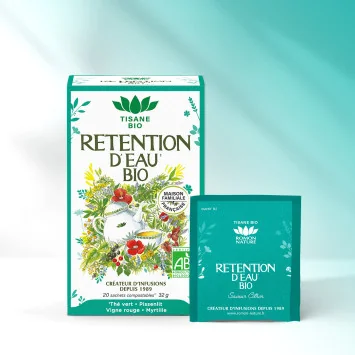
Organic Water Retention Herbal Tea*
Green Tea - Dandelion - Blueberry - Red Vine
Provence d’Antan Organic Wellness Teas: Natural plant blends to promote lightness and balance. Enjoy flavorful, beneficial infusions tailored to your daily wellness needs.
Filter By
Organic Slimming Herbal Teas
Organic Water Retention Herbal Tea*
Green Tea - Dandelion - Blueberry - Red Vine
Discover our Provence d’Antan slimming and draining herbal teas, infusions elaborated in France to accompany an active routine, regular hydration and a feeling of lightness in everyday life. Green tea, green coffee, dandelion, rosemary, turmeric, peppermint, lemon, fennel, maté and hibiscus compose botanical recipes with fresh, herbaceous, lemony or more intense profiles, depending on your preferences.
Often searched for under the term “herbal tea for weight loss”, a slimming infusion should never be presented as a weight-loss solution. It can be integrated into a balanced lifestyle, alongside a varied diet, regular physical activity and professional advice if necessary.
The Slimming & Draining formulas combine plants whose uses are recognised in tradition:
Slimming & Draining infusions are intended for anyone wishing to:
When? In the morning to start your daily water intake, during the day in a carafe to stay refreshed, or at the end of a meal to help limit feelings of bloating. The recipes are suitable both hot and cold: choose according to the season and the intended use.
Slimming & Draining infusions fit into a gentle routine: drinking at regular intervals, varying recipes, favouring carafe preparations for the day and hot cups for moments of pause. They complement a balanced lifestyle and do not replace professional advice when needed.
A slimming or draining herbal tea is above all part of a broader routine. It can accompany everyday gestures: drinking regularly, varying unsweetened drinks, taking time for a pause, choosing botanical recipes suited to your preferences and maintaining regular physical activity.
Weight loss never depends on a herbal tea alone. It is based on a combination of factors: diet, movement, sleep, emotional balance, metabolism, lifestyle rhythm and professional support when necessary. Provence d’Antan infusions can therefore be presented as an accompanying gesture, but not as a promise of results on weight.
Certain plants, such as green tea or green coffee, are traditionally mentioned in routines linked to active metabolism. Others, such as dandelion, rosemary, peppermint, lemon, turmeric or fennel, can accompany moments of digestion, freshness or lightness, depending on the recipes. The essential thing is to integrate them with moderation, within a coherent routine that respects the body.
Provence d’Antan Slimming & Draining herbal teas accompany an active routine, regular hydration and a feeling of lightness. Often searched for as “herbal tea for weight loss”, they never replace a balanced diet, regular physical activity or professional support. Green tea, green coffee, dandelion, rosemary, turmeric, peppermint, lemon, fennel and hibiscus compose botanical recipes elaborated in France, to enjoy hot or cold according to your preferences.
It is a botanical drink composed of plants traditionally used to support water balance, encourage a feeling of lightness and facilitate regular hydration.
Both support water intake. The Slimming & Draining category focuses on refreshing profiles and on plants whose traditional use relates to water circulation and elimination, as well as digestive comfort.
Hibiscus is traditionally used to support the renal elimination of water. Green tea is recognised for helping to fight oxidative stress and appears in recipes designed to accompany water retention. These mentions are presented as traditional uses attributed to the plants.
Yes, they are designed to fit into the day: a cold carafe for continuous intake, hot cups for moments of pause. Varying the recipes helps encourage more regular drinking.
Prepare a cold carafe or bottle: use 5 sachets for 1 litre, infuse in hot water, with the infusion time depending on the recipe, leave to cool, then refrigerate. Drink throughout the day.
No. They complement water by making hydration more pleasant and regular, thanks to the taste and botanical compounds extracted during infusion.
The recipes may combine hibiscus, dandelion, nettle, fennel, meadowsweet or maté, each presented for its traditional use in well-being infusions.
Some recipes are designed for regular consumption. The recommended doses should be followed, and advice should be sought in case of any particular situation.
No. They accompany a balanced lifestyle, regular hydration and daily routines, and do not replace prescribed treatment or professional advice.
By regularly drinking a cup during moments of pause and alternating hot cups with warm carafes according to your preferences.
Hydration spread throughout the day supports natural functions and contributes to a feeling of general comfort.
Yes. Some recipes are well suited to preparation in a carafe, to be enjoyed warm throughout the day.
Adopting a varied diet, rich in plants and fibre, alongside regular hydration, contributes to a feeling of balance and comfort as part of a harmonious lifestyle.
A herbal tea for weight loss does not make you lose weight on its own. Weight loss depends on a combination of factors: diet, physical activity, sleep, metabolism, emotional balance, consistency and personal situation. A slimming infusion can accompany an active routine, encourage regular hydration and replace sugary drinks, but it should never be presented as a miracle solution.
To accompany a weight-loss approach, it is best to choose a herbal tea that fits easily into everyday life: a recipe that is pleasant to drink, hot or cold, with no added sugar, and suited to the time of day. Recipes based on green tea, green coffee, maté, dandelion, rosemary, fennel, peppermint, lemon or hibiscus can be interesting depending on tastes and compositions, without making any direct promise regarding weight.
A slimming herbal tea is often designed to accompany an active routine around lightness, metabolism or digestive comfort, depending on the plants used. A draining herbal tea places more emphasis on regular hydration, the elimination of water and routines associated with water retention. In both cases, these infusions accompany a balanced lifestyle without replacing diet, movement or professional advice.
For a feeling of a flat stomach, recipes based on fennel, peppermint, chicory, cinnamon, green tea or lemon can be preferred, depending on the compositions. These infusions are especially interesting after meals or as part of a light digestive routine. It is best to avoid promising a direct action on the stomach: the right wording is “to accompany a feeling of lightness” or “to help establish an after-meal ritual”.
It is important to avoid stating that a herbal tea acts directly on fat. Some recipes have names such as “fat burner” or contain plants traditionally associated with active metabolism, such as green tea, green coffee or maté. To remain compliant, it is preferable to speak of support as part of an active lifestyle, without promising to reduce fat or make someone lose weight.
Green tea is often used in slimming routines, particularly because it naturally contains theine and is traditionally associated with active drinking habits. It can accompany regular hydration and a daytime routine. People sensitive to theine should, however, adapt their consumption and avoid drinking it too late.
Green coffee is often mentioned in routines around active metabolism. It can appear in certain slimming or draining recipes, but it should not be presented as a weight-loss solution. As it may contain caffeine, it is advisable to check the composition, the time of consumption and the instructions for use.
Dandelion is traditionally associated with routines around the elimination of water. It appears in certain draining recipes, especially when regular hydration and a feeling of lightness are involved. In case of medical treatment, kidney disease, pregnancy or any particular situation, it is best to seek advice from a healthcare professional.
Rosemary brings a Mediterranean, botanical and lightly resinous profile to infusions. It can be integrated into recipes with character, particularly alongside green tea, green coffee or other plants. Above all, it helps vary the taste and make the infusion ritual more enjoyable.
Turmeric brings a warm, spicy and colourful note to botanical recipes. It can be combined with ginger, lemon, dandelion, rosemary or other plants, depending on the compositions. On a slimming page, it is preferable to present it as an ingredient of taste and tradition, without attributing a direct promise regarding weight to it.
A slimming herbal tea can be enjoyed in the morning, during the day, after a meal or as a cold carafe preparation, depending on the recipe. Infusions containing green tea, maté or green coffee should be consumed preferably during the day, as they may contain theine or caffeine. Theine-free recipes may be more suitable for later pauses.
Some slimming herbal teas can be integrated into a daily routine, if the composition and instructions for use allow it. It is advisable to vary the recipes, follow the dosages and remain attentive to personal sensitivity. In case of medical treatment, pregnancy, breastfeeding, digestive issues, particular blood pressure or any medical situation, seek advice from a healthcare professional.
A slimming herbal tea is a botanical drink prepared by infusion. A food supplement often comes in the form of capsules, tablets, ampoules, powders or concentrated extracts. The two do not correspond to the same uses or dosages. It is important not to multiply slimming herbal teas and food supplements without professional advice, especially in case of treatment or any particular situation.
No. A slimming herbal tea never replaces a meal. It can accompany a hydration routine or an after-meal pause, but it does not provide the necessary intake of a balanced meal. In an approach linked to weight, the objective should remain a sufficient, varied diet adapted to each person’s needs.
Physical activity plays a central role in an active lifestyle. It supports energy balance, muscle mass, mobility, sleep and the feeling of general well-being. A slimming herbal tea can fit into this routine as a hydration gesture or pause, but it never replaces movement or consistency.