Organic Slimming Herbal Teas
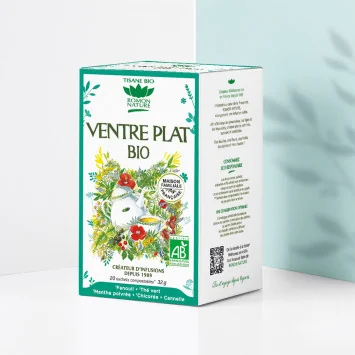
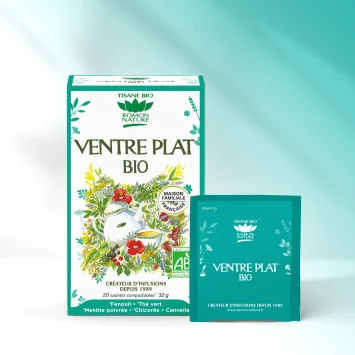
Organic Flat Tummy Herbal Tea*
Green Tea - Cinnamon - Chicory - Fennel - Peppermint
Provence d’Antan Organic Diuretic Teas: Natural infusions to flush toxins and excess water. Enjoy beneficial organic plant blends for lightness and balance.
Filter By
Organic Slimming Herbal Teas
Organic Flat Tummy Herbal Tea*
Green Tea - Cinnamon - Chicory - Fennel - Peppermint
Discover our Provence d’Antan diuretic herbal teas, infusions elaborated in France from plants traditionally associated with routines around the elimination of water and urinary comfort. Dandelion, meadowsweet, nettle, couch grass, blackcurrant, hibiscus, red vine or rosemary, depending on the recipes, compose botanical, fruity, herbaceous or lightly tangy cups to integrate into a regular hydration routine.
A diuretic herbal tea never replaces medical advice, prescribed treatment or care in case of persistent water retention, kidney disorders, unusual swelling or any particular situation. It can accompany a balanced lifestyle, while respecting the dosages, infusion times and precautions indicated on the packaging.
Traditionally used to contribute to the normal functioning of the urinary tract and to the elimination of water.
Traditionally used to support the renal elimination of water.
A plant traditionally used to accompany elimination functions.
Traditionally consumed to support urinary elimination.
Traditionally used in infusions intended to accompany the elimination of water.
Traditionally consumed in infusions linked to the comfort of elimination functions.
Hibiscus, or Hibiscus sabdariffa, is a plant traditionally consumed as an infusion for its intense red, tangy and fruity cup. In herbalism routines, it is often associated with infusions linked to the elimination of water and fluid balance.
Present in several related recipes such as Organic Circulation Herbal Tea or Organic Hibiscus Herbal Tea, hibiscus also creates a natural bridge between diuretic herbal teas, fruity infusions and recipes around circulatory comfort. Its lively and colourful profile makes it an interesting plant for both hot and cold tastings, in a cup or a carafe.
To remain cautious, it is preferable to present hibiscus as a plant traditionally used in elimination routines, and not as a medical solution or treatment.
At Provence d’Antan, diuretic infusions are understood as botanical hydration rituals designed to accompany the feeling of urinary tract comfort and fluid balance as part of a daily routine.
These infusions do not promise a medical or therapeutic effect, but accompany well-being habits by offering:
Choose recipes containing hibiscus or nettle.
Compositions with dandelion or green tea offer a pleasant signature.
Meadowsweet or blackcurrant bring fine and balanced notes.
Choose soft, balanced profiles that are pleasant in a carafe or cup.
Choose recipes containing hibiscus, nettle, dandelion or meadowsweet, depending on the compositions. These plants are traditionally associated with elimination routines and infusions linked to urinary tract comfort.
Compositions with dandelion, green tea, blackcurrant or hibiscus can accompany a regular hydration routine. Dandelion is often sought after in routines around the elimination of water, while hibiscus brings a tangy, fruity cup that is pleasant in a carafe.
Red Vine can be interesting in cross-category recipes around blood circulation and fluid balance. It is notably present in compositions associated with circulation, sometimes alongside hibiscus, blackcurrant or blueberry, depending on the recipes.
Meadowsweet, blackcurrant, rosemary or certain herbaceous plants bring fine, botanical or more Mediterranean profiles. Rosemary, for example, can reinforce the character of certain infusions while creating a bridge towards Provençal herbalist plants.
Choose soft, balanced profiles that are pleasant in a carafe or cup. A diuretic herbal tea should remain a hydration gesture, not a search for an excessive effect. It is important to follow the recommended doses and not to multiply cups without professional advice, especially in case of treatment or a medical situation.
In the morning
A light cup to accompany waking up.
During the day
A carafe infusion to maintain continuous hydration.
In the afternoon
A cup according to your preferences to accompany calm moments.
Follow the infusion times indicated on the packaging and the recommended doses specific to each product.
Short infusion: three to five minutes
Suitable for delicate leaves and aromatic plants.
Longer infusion: five to eight minutes
Ideal for the deeper profiles of certain plants.
Distributed hydration
Encourage consumption throughout the day.
Possible additions
A citrus zest or a touch of honey according to taste preference.
Always follow the dosage instructions mentioned on the packaging.
A short infusion of three to five minutes may suit delicate leaves, fine plants and certain recipes with a light profile. Pour boiling or simmering water over the sachet or blend, then leave to infuse according to the recommendations indicated on the packaging.
An infusion of five to eight minutes may be suited to deeper profiles, more root-like plants or recipes requiring a more pronounced extraction. It is preferable to write the durations in full in editorial text, for example “five to eight minutes”, rather than “5–8 min”.
To prepare a diuretic herbal tea, pour a cup of boiling or simmering water over the sachet or plant blend. Cover the cup during infusion to preserve the finesse of the plants. Always follow the dosage, infusion time and precautions specific to each product.
A diuretic herbal tea fits into a hydration routine spread throughout the day. The aim is not to drink a large quantity all at once, but to create a regular rhythm, alternating water, infusions and drinks suited to your personal situation.
A citrus zest, a slice of lemon or a touch of honey can be added according to taste preference. These additions should remain optional and do not modify the precautions for use linked to the plants.
In case of pregnancy or breastfeeding, seek advice from a doctor, midwife or pharmacist before any regular consumption of diuretic herbal tea.
Children should not consume diuretic herbal tea without appropriate medical advice. The plants used in these recipes may not be suitable for younger people, even when prepared as an infusion.
Certain plants may have individual contraindications or interact with ongoing treatments, notably diuretic, antihypertensive, renal, cardiovascular or anticoagulant treatments. In case of medical treatment, kidney disease, particular blood pressure, significant water retention or doubt, it is recommended to seek advice from a doctor.
Diuretic infusions do not replace prescribed treatment. In case of sudden, asymmetrical or painful swelling, unusual sensation or persistent symptoms, it is important to consult a healthcare professional.
It is preferable to avoid late consumption so as not to disturb sleep with frequent night-time awakenings.
No.
A urinary tract infection requires a medical diagnosis and, if necessary, appropriate treatment.
Infusions never replace medical care.
Yes, particularly in case of:
Medical advice is recommended before any regular consumption in these situations.
In phytotherapeutic tradition, diuretic plants are often used over periods of two to three weeks, followed by a break.
Prolonged consumption without interruption is not recommended.
Yes.
Oestrogen variations during the menstrual cycle can encourage temporary premenstrual water retention.
Distributed hydration and a diet moderate in salt can accompany this period.
Yes.
Immobility slows venous and lymphatic return.
It is advisable to:
Yes.
The lymphatic system participates in the drainage of interstitial fluids.
It depends strongly on muscle movement. Gentle physical activity naturally stimulates this mechanism.
Yes.
Severe protein deficiency can encourage oedema, due to reduced oncotic pressure.
A balanced diet including quality proteins, such as legumes, eggs, fish and oilseeds, supports water balance.
It is advisable to avoid combining plants with similar effects.
Seek advice when combining with supplements containing orthosiphon, hawkweed or dandelion, in order to avoid excessive elimination.
Yes, caffeine has a mild diuretic effect.
However, coffee does not offer the same botanical profile or the same digestive softness as an infusion.
It is preferable to avoid late consumption in order not to disturb sleep with frequent nighttime awakenings.
No.
A urinary tract infection requires medical diagnosis and, if necessary, appropriate treatment.
Herbal infusions never replace medical care.
Yes, particularly in cases of:
Medical advice is recommended before regular consumption in these situations.
In traditional phytotherapy, diuretic plants are often used for periods of 2 to 3 weeks, followed by a break.
Prolonged continuous consumption is not recommended.
Yes.
Estrogen fluctuations during the menstrual cycle may promote temporary premenstrual water retention.
Regular hydration and moderate salt intake can accompany this period.
Yes.
Immobility slows venous and lymphatic return. It is advisable to:
Yes.
The lymphatic system contributes to the drainage of interstitial fluids.
It depends largely on muscular movement. Gentle physical activity naturally stimulates this mechanism.
Yes.
Severe protein deficiency may promote edema (due to reduced oncotic pressure).
A balanced diet including quality protein sources (legumes, eggs, fish, nuts) supports fluid equilibrium.
It is advisable to avoid combining plants with similar effects.
Seek advice if pairing with supplements containing orthosiphon, pilosella, or dandelion, in order to avoid excessive elimination.
Yes, caffeine has a mild diuretic effect.
However, coffee does not offer the same plant profile or digestive gentleness as an herbal infusion.