Coarse Salt
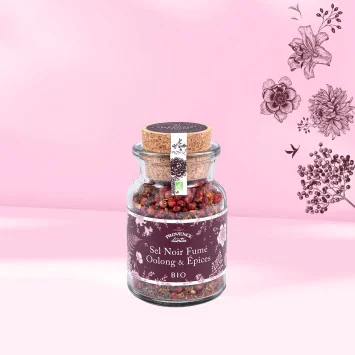
Organic Smoked Hawaiian Black Salt, Oolong Tea & Spices - 80g
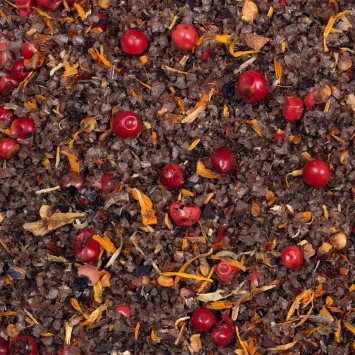
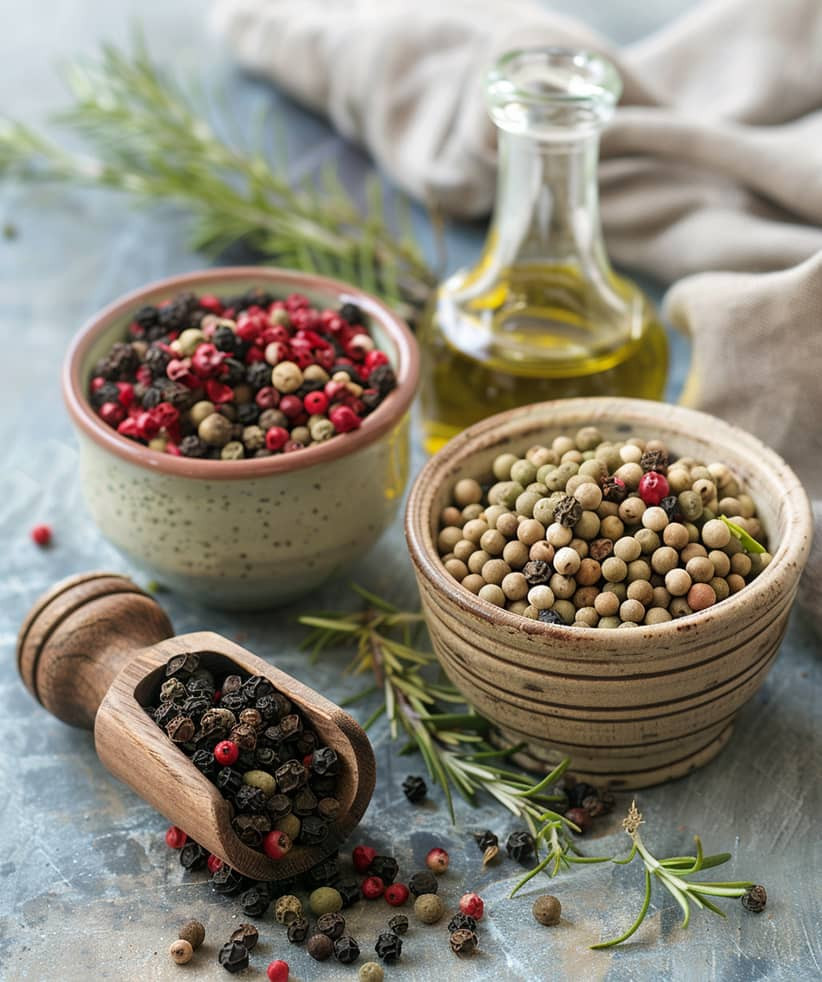
The Oolong - Pepper - Pink Peppercorn - Hawaiian Hickory Salt
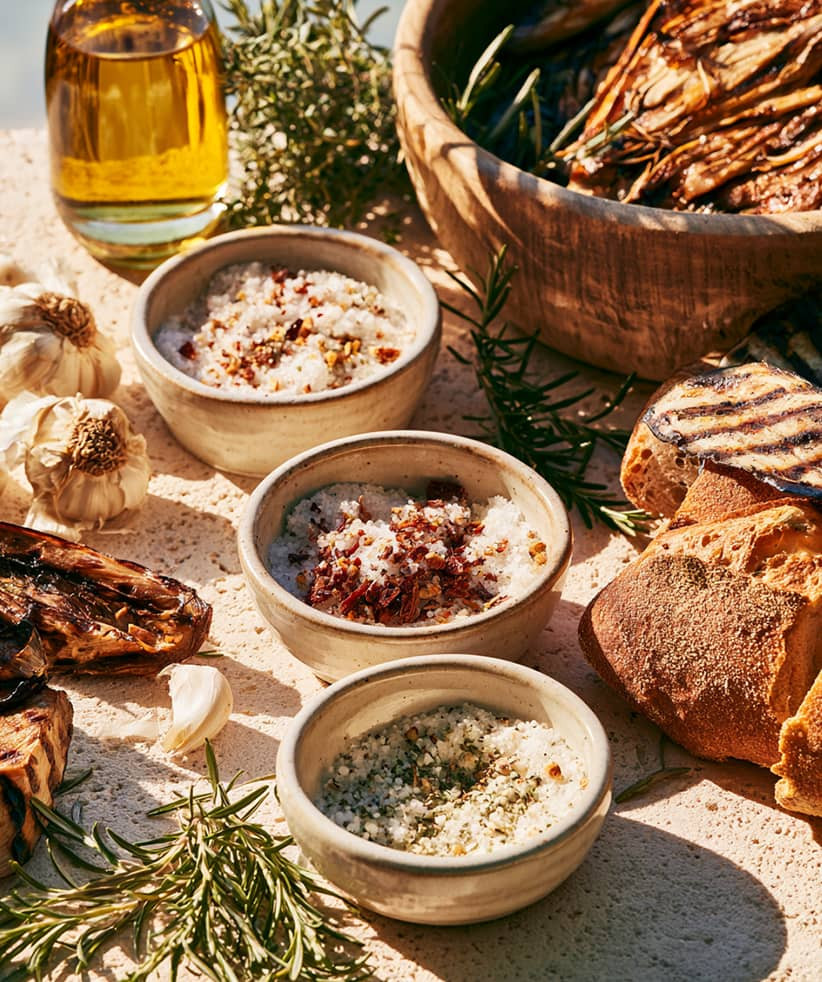
Provence d’Antan Coarse Salt: Salt crystals enriched with vegetables, chili, and aromatic herbs. Elevate your dishes with gourmet blends and 100% natural ingredients.
Filter By
Coarse Salt
Organic Smoked Hawaiian Black Salt, Oolong Tea & Spices - 80g
The Oolong - Pepper - Pink Peppercorn - Hawaiian Hickory Salt
Discover Provence d’Antan coarse salts, combined with herbs, vegetables, spices, peppers or smoky notes to accompany simple and creative cooking. Their generous crystals lend themselves beautifully to cooking, marinades, grilled dishes and slow-cooked recipes.
Each recipe plays on a different balance: botanical, herbaceous, fruity, spicy or smoky. Elaborated with care in France, our coarse salt blends invite the flavours of Provence and beyond into everyday gestures, from the family cooking pot to summer tables.
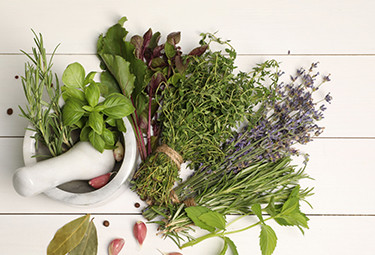
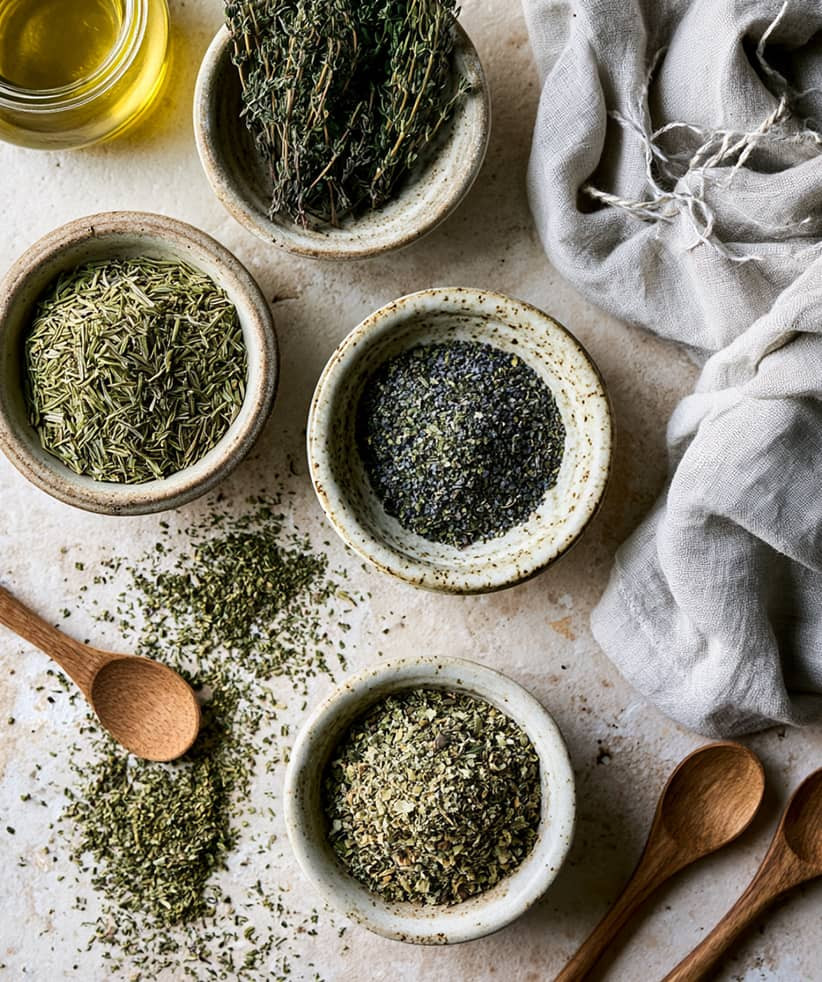
Basil, parsley and rosemary bring a botanical and Mediterranean signature. These coarse salts with herbs naturally fit into roasted vegetables, potatoes, fish, white meats or pasta dishes.
Carrot, onion, leek and lovage create generous blends, particularly well suited to soups, broths, gratins and slow-cooked dishes. Turmeric and fenugreek complete certain recipes with warm, spicy notes.
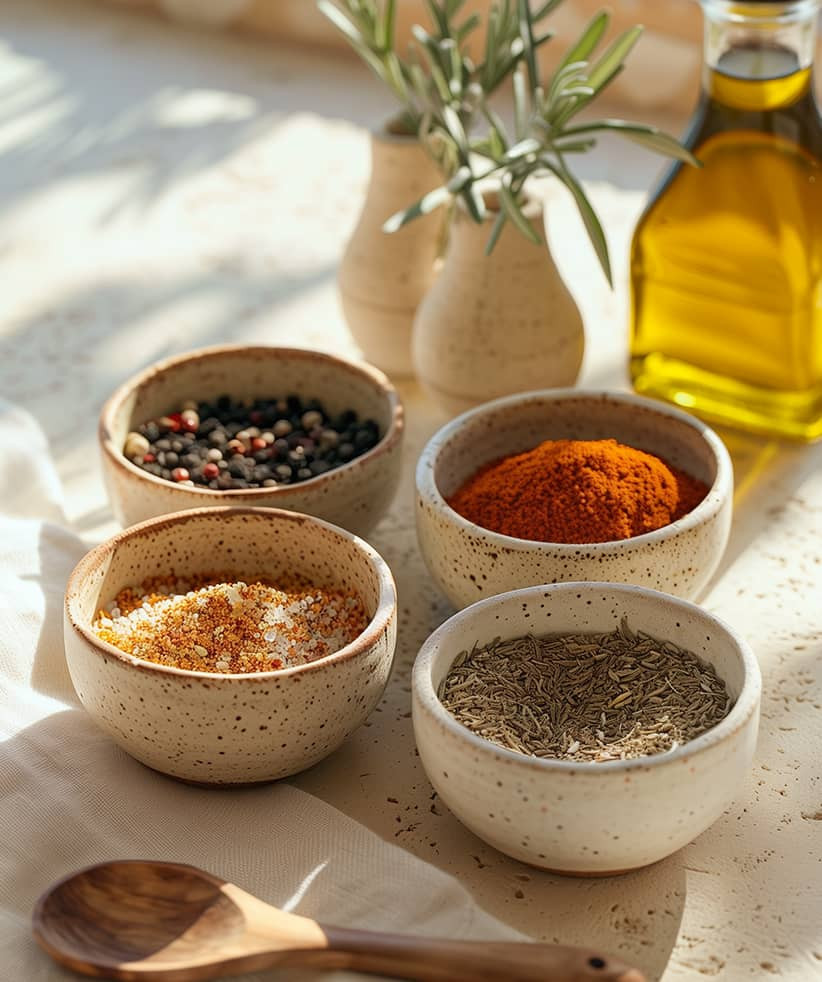
Black pepper, pink berries, coriander or cardamom bring more character to the seasoning. A salt with spices is suited to grilled dishes, roasted vegetables, marinades and recipes that call for a livelier touch.
Certain blends combine salt with fruits, spices or smoky notes. They open the way to more creative pairings with root vegetables, cheeses, grilled meats or sweet-and-savoury preparations.
At Provence d’Antan, coarse salt is not only a seasoning gesture. It becomes the base of a culinary composition, designed to give the dish a clear direction.
Salt crystals welcome carefully selected ingredients: herbs, vegetables, peppers, spices or fruits depending on the recipes. Each blend therefore has its own language. Some evoke simple, sun-filled Provençal cooking; others explore more contemporary, smoky, fruity or spicy pairings.
This diversity makes it possible to choose your salt as you would choose a spice blend: according to the dish, the cooking method and the desired intensity.
Choose a coarse salt with vegetables to season soups, steamed vegetables, gratins, cereals, pasta or potatoes. Its profile accompanies preparations without masking their character.
A coarse salt with herbs is ideal with sun-kissed vegetables, roasted poultry, fish, tomatoes, focaccia or oven-baked potatoes. Basil, parsley and rosemary give it a familiar botanical presence.
Blends with peppers and spices bring more intensity. They can be incorporated into a dry marinade or added with measure to meat, fish or vegetables intended for the barbecue.
Fruity, spicy or smoky salts are made for creative cooking. They make it possible to build contrast around cheese, roasted squash, grilled meat or a sweet-and-savoury recipe.
Coarse salt can be added to the water used for pasta, rice, potatoes or certain vegetables. With a composed coarse salt, start with a moderate quantity to take into account the presence of herbs, vegetables or spices.
Add it gradually to soups, broths, stews and sauces. Always taste before adding more, especially when the recipe already contains cheese, cured meats, olives or a salted broth.
Mix a small quantity of coarse salt with olive oil and the ingredients of your choice. Gently massage the vegetables, meat or fish, then leave to rest according to the recipe.
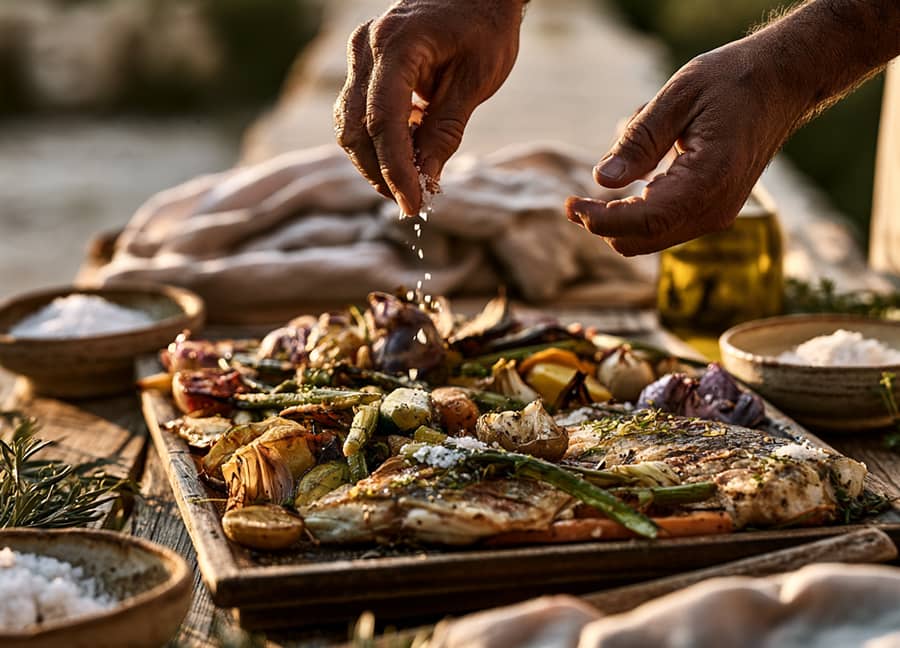
Sprinkle the blend over potatoes, squash, carrots or sun-kissed vegetables before placing them in the oven. The crystals gradually melt into the preparation.
Certain composed coarse salts can be used as a finishing touch, but their grain remains more pronounced than that of fleur de sel. Lightly crush the crystals between your fingers or use a suitable grinder if you want a finer texture.
Mix the potatoes with a drizzle of olive oil and a small pinch of coarse salt with herbs. Bake until golden and meltingly tender.
Courgettes, aubergines, peppers and tomatoes pair naturally with a coarse salt with herbs or vegetables. Add it before cooking so that the ingredients gently accompany the vegetables.
For grilled meats, fish or vegetables, choose a coarse salt with peppers, spices or smoky notes. Use it with measure before cooking, or add a few crystals at the moment of serving.
A coarse salt with vegetables can complement a homemade soup, velouté or broth. In a single gesture, it brings both salt and a botanical composition.
A blend combining fruits and spices can create an interesting contrast with roasted squash, cheese, glazed meat or certain chocolate desserts. A few crystals are enough.
One pinch, a new direction
Discover our different coarse salts and choose the blend that will accompany your next recipe.
The origin of the salt and of the other ingredients may vary depending on the reference. They should therefore be checked on each product sheet and on the corresponding labelling.
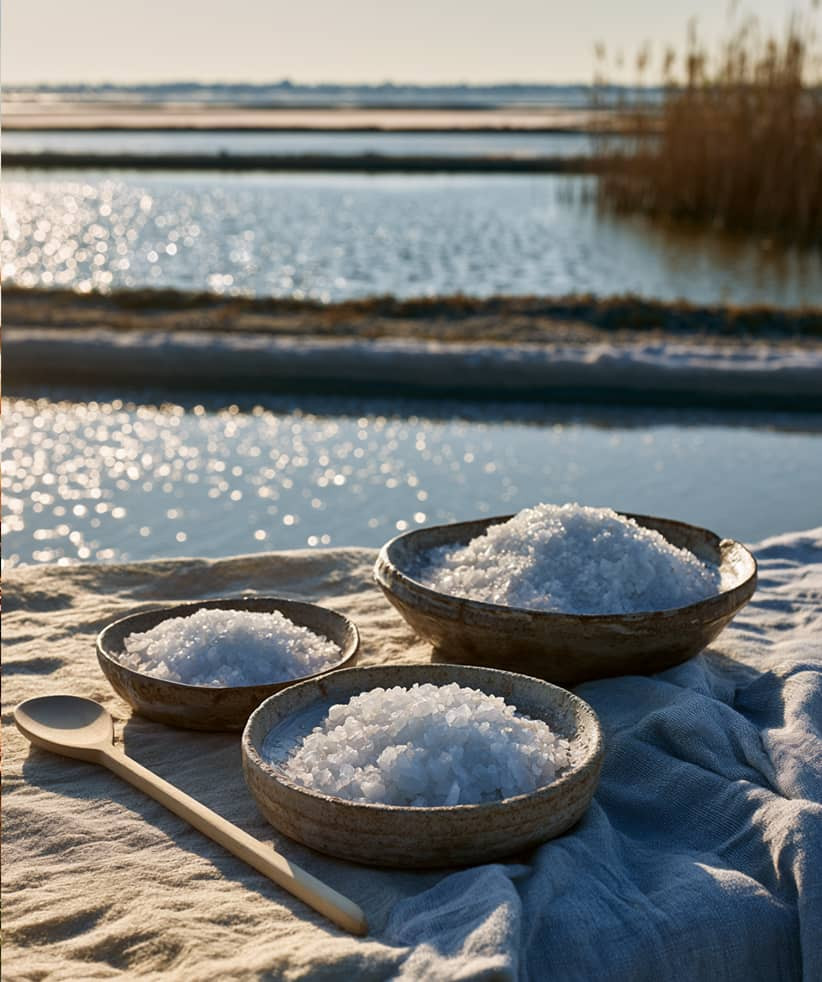
Certain recipes in the range notably use Camargue coarse salt, Himalayan pink salt or smoked salt, combined with ingredients chosen according to the desired profile.
Provence d’Antan imagines compositions where the minerality of salt meets the botanical world, spices and culinary traditions. The recipes are elaborated with care in France, without confusing the place of elaboration with the geographical origin of each ingredient.
Store your coarse salt in a dry place, away from humidity, heat and light. Carefully close the container after each use to preserve the texture of the crystals and the quality of the associated ingredients.
Salt should be consumed in moderation. It is recommended to take into account all sources of salt present in the meal and to avoid systematically adding more salt at the table. In the case of a specific diet or medical recommendation concerning sodium, seek advice from a healthcare professional. ANSES recommends controlling overall salt consumption.
Coarse salt is made up of crystals larger than those of fine salt. Its texture allows it to dissolve gradually during cooking. It is particularly suited to pasta water, vegetables, potatoes, broths, marinades and slow-cooked dishes.
The main difference lies in the size of the crystals. Coarse salt dissolves more slowly and is particularly suited to cooking. Fine salt disperses more quickly and allows for precise seasoning, especially in sauces, vinaigrettes and delicate preparations.
Coarse salt is mainly used during preparation or cooking. Fleur de sel has finer, more delicate crystals: it is generally added at the last moment, just before tasting, to preserve its lightly crunchy texture.
Choose your coarse salt according to the dish and the desired intensity. A coarse salt with vegetables is suited to soups and slow-cooked dishes. A salt with herbs readily accompanies vegetables, fish and white meats. Blends with peppers, spices or smoky notes are particularly well suited to grilled dishes and marinades.
Coarse salt with herbs can be added to cooking water, sprinkled over vegetables before oven cooking or incorporated into a marinade. It is also suited to potatoes, fish, poultry, pasta and slow-cooked dishes. Start with a small quantity, then adjust after tasting.
A salt with spices is used to enhance a marinade, roasted vegetables, grilled meat, fish or a plancha-cooked recipe. It can be added before cooking to accompany the preparation or, in small quantities, at the moment of serving.
A coarse salt with vegetables or herbs is particularly suitable. Compositions based on carrot, onion, leek or lovage accompany soups, broths and gratins. Blends with basil, parsley or rosemary are well suited to roasted vegetables and Mediterranean recipes.
For grilled dishes, choose a coarse salt with peppers, spices, herbs or smoky notes. These compositions bring relief to grilled meats, fish and vegetables. Use them with measure, especially if the marinade already contains salty ingredients.
Yes. Coarse salt can be added to cooking water or sprinkled over potatoes before roasting. A coarse salt with herbs goes particularly well with oven-baked, sautéed or wedged potatoes.
Yes. It can be added at the beginning or during cooking so that it dissolves gradually. With a blend containing vegetables, herbs or spices, start with a small quantity, let the flavours diffuse, then taste before adjusting.
Yes. Mix a small quantity of coarse salt with olive oil and the other ingredients in your recipe. Spread the preparation over vegetables, meat or fish, then leave to rest for the appropriate time according to the chosen ingredient.
Yes, but its crystals are larger than those of fleur de sel. For a more delicate finishing touch, you can lightly crush them between your fingers or use a suitable grinder. A few crystals are generally enough to bring contrast.
Yes, provided you use a grinder designed for dry salt crystals. Check the manufacturer’s recommendations. Blends containing pieces of herbs, vegetables, fruits or spices must also have a grain size compatible with the mechanism.
The quantity depends on the volume of the preparation, the type of recipe and the other ingredients used. It is preferable to start modestly, then taste before adding more. Also take into account ingredients that are already salty, such as olives, cheeses, cured meats or certain broths.
Yes, as part of a balanced diet and with moderation. It is important to take into account all the salt present in the foods consumed throughout the day. In the case of a medical recommendation concerning sodium, seek advice from a healthcare professional.
By weight, the sodium chloride content may be comparable, but perception and dosage differ because of the size of the crystals. A spoonful of coarse salt therefore does not necessarily correspond to the same weight as a spoonful of fine salt.
No. The origin of the salt varies depending on the reference. Certain recipes notably contain Camargue coarse salt, while others are based on Himalayan pink salt or smoked salt. Check the composition and origin information indicated on each product sheet.
Salt is a mineral substance: on its own, it does not fall under organic agricultural production. In a blend, certification applies to the agricultural ingredients identified by an asterisk on the labelling, such as herbs, vegetables or spices.
Store it in a dry place, away from humidity, heat and light. Carefully close the container after each use to preserve the texture of the crystals and the taste qualities of the associated ingredients.
Salt keeps for a long time when it remains perfectly dry. For a coarse salt combined with herbs, vegetables, fruits or spices, refer to the best-before date and storage advice indicated on the packaging.
Yes. A coarse salt combined with fruits or spices can create an interesting contrast with roasted squash, cheese, glazed meat or certain chocolate desserts. Use only a few crystals to preserve a beautiful balance.
Salt-crust cooking generally requires a significant quantity of plain coarse salt. Provence d’Antan blends are designed more as culinary seasonings. It is therefore preferable to reserve them for cooking, marinades or the finishing touch of a recipe.
Provence d’Antan coarse salts are offered exclusively for food use. They are designed for cooking and are not presented as gardening or weed-control products.
Choose a blend that combines coarse salt with herbs, vegetables, peppers or spices, then dose it gradually. The other ingredients contribute to the taste personality of the recipe, but it remains important to monitor the total quantity of salt consumed.