Circulation, Cholesterol, and Blood Pressure Teas
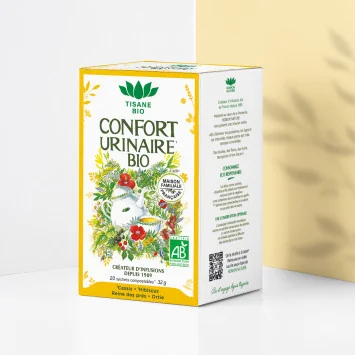
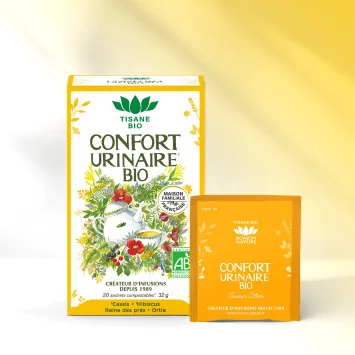
Organic Urinary Comfort Herbal Tea*
Hibiscus - Nettle - Blackcurrant - Meadowsweet
Provence d’Antan Organic Wellness Teas: Natural infusions for circulation, cholesterol, blood pressure, and urinary comfort. Enjoy the benefits of organic medicinal plants for daily balance and well-being.
Filter By
Circulation, Cholesterol, and Blood Pressure Teas
Organic Urinary Comfort Herbal Tea*
Hibiscus - Nettle - Blackcurrant - Meadowsweet
Discover our Provence d’Antan herbal teas traditionally associated with blood pressure balance, blood circulation and urinary comfort. Hibiscus, olive leaves, red vine, orthosiphon and dandelion are featured in botanical recipes elaborated in France, to be enjoyed as part of a balanced lifestyle.
A herbal tea should never replace medical advice, blood pressure monitoring or a treatment prescribed for high blood pressure. In cases of high blood pressure, medical treatment, cardiovascular history or risk of stroke, seek advice from a healthcare professional before any regular consumption.
The search for a herbal tea to help lower blood pressure is common, especially when people wish to include plants in a gentler daily routine. Certain plants such as hibiscus, olive leaves and red vine are traditionally associated with blood circulation, the maintenance of normal blood pressure or cardiovascular balance.
At Provence d’Antan, these infusions are elaborated in France with a responsible approach: they are part of a botanical ritual, but should never be presented as a treatment for high blood pressure. High blood pressure requires reliable measurement, medical monitoring and, if necessary, appropriate care.
Hibiscus is often mentioned in research around blood pressure. It is traditionally consumed as an infusion and studied for its interest in maintaining normal blood pressure. Olive leaves are also known in the world of herbalism for supporting lipid balance and normal blood pressure. Red vine, for its part, is more commonly associated with blood circulation and light-leg routines.
To remain compliant, it is preferable not to promise to “lower blood pressure”, “reduce arterial pressure” or “regulate blood pressure” as a guaranteed effect. The right wording is to refer to infusions that accompany a balanced lifestyle, made with plants traditionally used for circulation and the maintenance of normal blood pressure, with precautions for use.
Careful and factual wording.
Red vine (Vitis vinifera)
Traditionally used to contribute to good blood circulation.
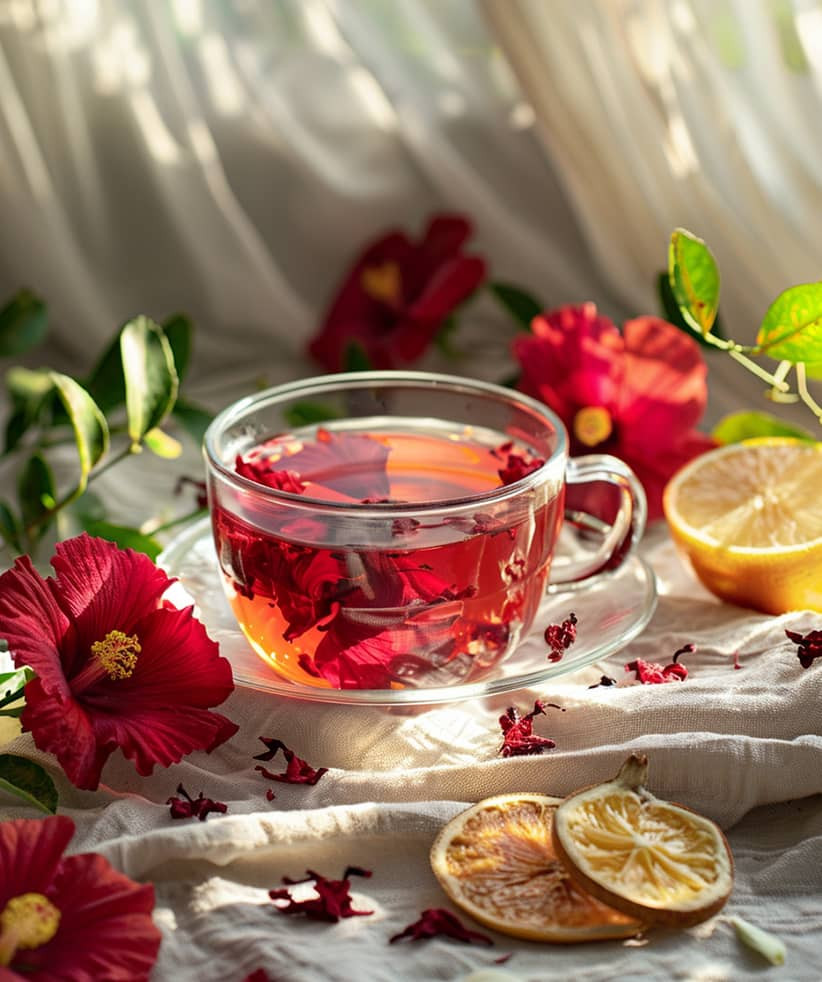
Hibiscus (Hibiscus sabdariffa)
Traditionally consumed as an infusion to contribute to the maintenance of normal blood pressure.
Olive tree (Olea europaea)
Traditionally used to contribute to lipid balance and the maintenance of normal blood pressure.
Meadowsweet (Filipendula ulmaria)
Traditionally used to support renal elimination.
Orthosiphon (Orthosiphon stamineus)
Traditionally used to support urinary elimination.
Dandelion (Taraxacum officinale)
Traditionally consumed to contribute to the body’s elimination functions.
For optimal infusion:
Bring a cup of water to the boil;
Pour the water over the plants;
Cover;
Leave to infuse for 5 to 10 minutes, depending on the recipe;
Filter, then enjoy.
Always follow the instructions shown on the packaging.
Scientific research has been interested for several years in plants traditionally used for cardiovascular comfort.
Certain studies have focused in particular on:
Hibiscus;
Olive leaves;
Hawthorn.
The mechanisms studied notably concern:
Oxidative stress;
Vascular function;
Dilation of blood vessels;
Cardiovascular function.
However, results vary between studies and do not make it possible to consider an infusion as a treatment for high blood pressure.
It is a botanical approach, gradual and integrated into everyday life.
Supporting circulation or urinary comfort is not a one-off gesture, but part of a broader balance:
– encouraging regular hydration;
– incorporating plants traditionally associated with circulation or elimination;
– establishing simple and consistent rituals.
Our infusions are part of a balanced lifestyle. They do not replace medical treatment.
To accompany circulation
Favour recipes containing red vine or hibiscus, depending on the compositions.
To contribute to lipid balance
Look for blends including olive leaf.
For urinary comfort
Choose recipes combining orthosiphon, dandelion or meadowsweet.
For daily consumption
Opt for soft profiles, pleasant in a carafe, encouraging regular hydration.
In the morning
A light infusion to start the day.
During the day
Prepared in a carafe to help maintain hydration throughout the day.
In the evening
Softer recipes, if the composition allows.
Follow the infusion times indicated on the packaging as well as the recommended doses.
Infuse for 5 to 10 minutes depending on the plant.
In a carafe:
Infuse in hot water, filter, leave to cool, then keep refrigerated for a maximum of 24 hours.
Fractional hydration:
Spread consumption throughout the day rather than drinking everything at once.
Possible pairing:
Lemon zest or honey according to taste preference.
Certain plants may interact with medicines used to treat high blood pressure or other cardiovascular conditions.
If you are taking medication:
Seek advice from your doctor;
Seek advice from your pharmacist;
Always follow your medical prescription.
A herbal tea should never replace antihypertensive treatment.
Maintaining good cardiovascular health is based above all on:
A balanced diet;
Regular physical activity;
Quality sleep;
Limiting tobacco use;
Moderate salt consumption;
Medical follow-up when necessary.
Infusions can be included in these lifestyle habits, but they do not constitute a preventive measure or treatment for high blood pressure.
Dosage and frequency of consumption depend on the composition of each infusion.
In general:
Follow the advice shown on the packaging;
Vary drinks throughout the day;
Do not exceed the recommendations specific to the plants used.
In cases of pregnancy or breastfeeding, seek advice before regular consumption.
People taking treatment for blood pressure, circulation or kidney function should seek professional advice before use.
Certain plants may have individual contraindications.
In cases of persistent or unusual symptoms, consult a healthcare professional.
Which plants are traditionally associated with healthy blood circulation?
Red vine and hibiscus are traditionally used to contribute to normal blood circulation and to the maintenance of normal blood pressure, according to established herbal uses.
Can olive leaf support lipid balance?
Olive leaf is traditionally used to contribute to lipid balance and to the maintenance of normal blood pressure.
Why is hydration important for urinary comfort?
Regular hydration supports the normal functioning of the urinary tract and contributes to elimination comfort.
Can these infusions be enjoyed every day?
Certain blends are suitable for regular consumption. Always follow the indicated quantities and seek advice if you are undergoing treatment.
Do these infusions replace treatment for blood pressure or cholesterol?
No. They complement a balanced lifestyle and do not substitute any prescribed treatment.
Drinking regularly contributes to the body’s overall balance and supports the proper functioning of internal circulation, including the circulation of fluids.
Hydration spread throughout the day is often more beneficial than consuming a large quantity at once.
An infusion can be a pleasant way to naturally increase daily fluid intake.
Contrary to common belief, excessively reducing fluid intake is generally not the solution.
Sufficient and regular hydration supports the normal functioning of elimination mechanisms and can accompany circulatory comfort.
Infusions prepared in a carafe or enjoyed in regular cups contribute to this daily routine.
In specific situations, professional advice is recommended.
Several formats are possible:
In the morning: a light cup to begin the day.
During the day: prepared in a carafe, enjoyed lukewarm or slightly cool.
In the evening: gentler blends, depending on their composition.
The objective is consistency — encouraging the habit of drinking regularly throughout the day.
Yes. Circulatory well-being is part of overall balance.
A varied diet, combined with regular hydration, supports the body’s proper functioning.
Limiting excesses, particularly sugars or highly processed foods, may accompany a general feeling of lightness.
Infusions fit naturally into this approach as plant-based daily rituals.
Certain plants, such as red vine, are traditionally used to contribute to healthy circulation.
Combined with regular hydration, gentle activity and movement breaks, they can be part of a pleasant seasonal routine.
Discover our other botanical herbal teas
Explore the Provence d’Antan herbalist universe
Learn more about our craftsmanship and commitments
Provence d’Antan herbal teas around blood pressure, circulation and urinary comfort combine plants such as hibiscus, olive leaves, red vine and other plants traditionally associated with circulatory balance. They can be included in a hydration and lifestyle routine, but should never replace medical treatment for high blood pressure.
In cases of high blood pressure, cardiovascular history, risk of stroke or ongoing treatment, seek advice from a healthcare professional before any regular consumption.
People often search for a herbal tea to help lower blood pressure, but caution is essential: no infusion can replace medical treatment for high blood pressure.
Certain plants such as hibiscus, olive leaves and red vine are traditionally associated with the maintenance of normal blood pressure or blood circulation. They may be included in a lifestyle routine, with medical advice in cases of treatment or high blood pressure.
Hibiscus is one of the most studied plants when it comes to blood pressure. It is traditionally consumed as an infusion and is often mentioned in research around blood pressure balance.
To remain compliant, it is preferable to speak of a plant studied for its interest in maintaining normal blood pressure, without promising to reduce blood pressure in all consumers.
Olive leaves are traditionally associated with lipid balance and the maintenance of normal blood pressure.
They may appear in recipes focused on circulation, cholesterol or blood pressure. In cases of high blood pressure, medical treatment or cardiovascular history, it is recommended to seek advice from a healthcare professional before regular consumption.
Red vine is traditionally associated with blood circulation. It is often sought after in “light legs” or circulatory comfort routines.
It should not be presented as a solution to lower blood pressure, but rather as a plant linked to traditional uses around circulation. It may be combined with other plants depending on the recipes.
A hypotensive plant refers, in a scientific or traditional context, to a plant that may be studied or used for its influence on blood pressure.
On an e-commerce page, this term should be used with caution. A direct or guaranteed hypotensive effect should not be promised. For safer wording, favour: “plants traditionally associated with the maintenance of normal blood pressure”.
A herbal tea should not be presented as a treatment capable of reducing blood pressure.
Certain plants are studied or traditionally used around blood pressure, but their effect depends on many factors: dosage, frequency of consumption, health status, diet, physical activity, ongoing treatments and individual sensitivity. In cases of high blood pressure, medical advice is essential.
Blood vessel dilation is a complex physiological mechanism involved in the regulation of blood pressure.
Some research mentions possible mechanisms of action for certain plants, but these notions should remain within a general scientific framework. It should not be stated that a given herbal tea dilates blood vessels or regulates blood pressure with certainty.
Pour a cup of boiling or simmering water over the sachet or plant blend, then leave to infuse for 5 to 10 minutes depending on the recipe.
Always follow the dosage and infusion time indicated on the packaging. A more concentrated infusion or excessive consumption is not necessarily more effective and may be unsuitable in cases of medical treatment.
The number of cups per day depends on the recipe, the plants used, the dosage and the individual situation.
It is preferable to follow the recommendations indicated on the packaging. In cases of high blood pressure, blood pressure treatment, diuretic treatment, history of stroke or cardiovascular condition, seek advice from a healthcare professional before any regular consumption.
Not always. Certain plants may interact with medical treatment, particularly blood pressure medication, diuretics, anticoagulants or certain cardiovascular treatments.
A herbal tea should never lead to modifying or stopping prescribed medication. In cases of ongoing treatment, advice from a doctor or pharmacist is necessary.
Herbal teas can accompany a healthy lifestyle routine, but they should not be presented as a medical prevention method for high blood pressure.
Prevention is mainly based on a balanced diet, suitable physical activity, limited salt intake, a healthy lifestyle and regular blood pressure monitoring. Infusions can be part of an enjoyable daily ritual, without replacing these essential measures.
In cases of high blood pressure, a herbal tea should not be chosen as the first response.
It is important to measure blood pressure correctly, consult a healthcare professional and follow medical recommendations. Infusions made with hibiscus, olive leaves or plants associated with circulation may only be considered as support, provided they are compatible with the individual situation.
No. A herbal tea never replaces treatment for high blood pressure.
It can accompany a balanced lifestyle and hydration ritual, but it should not be used as an alternative to prescribed medication. Any change to treatment must be decided with a healthcare professional.
High blood pressure can be silent and go unnoticed.
When it is not monitored or controlled, it can increase cardiovascular risks, including stroke or heart complications. This is why it is important to measure blood pressure regularly, consult in case of doubt and not replace medical follow-up with a herbal tea.
Some recipes combine several plants such as hibiscus, olive tree, red vine or other plants linked to circulation or elimination.
However, combining several plants does not mean obtaining a stronger or more suitable effect. Blends should be consumed according to the product recommendations, with medical advice in cases of treatment or specific circumstances.
Choosing Provence d’Antan herbal teas around blood pressure, circulation and urinary comfort means favouring botanical recipes elaborated in France, in the spirit of contemporary herbalism.
It also means choosing a house attentive to ingredient quality, respect for taste, respect for the environment and fair remuneration for producers as well as partners throughout the supply chain, thanks to internal charters followed with care and high standards.