Thyme Infusion: Traditional Uses, Preparation and Precautions

Thyme, a little sun-filled plant of Provençal rituals
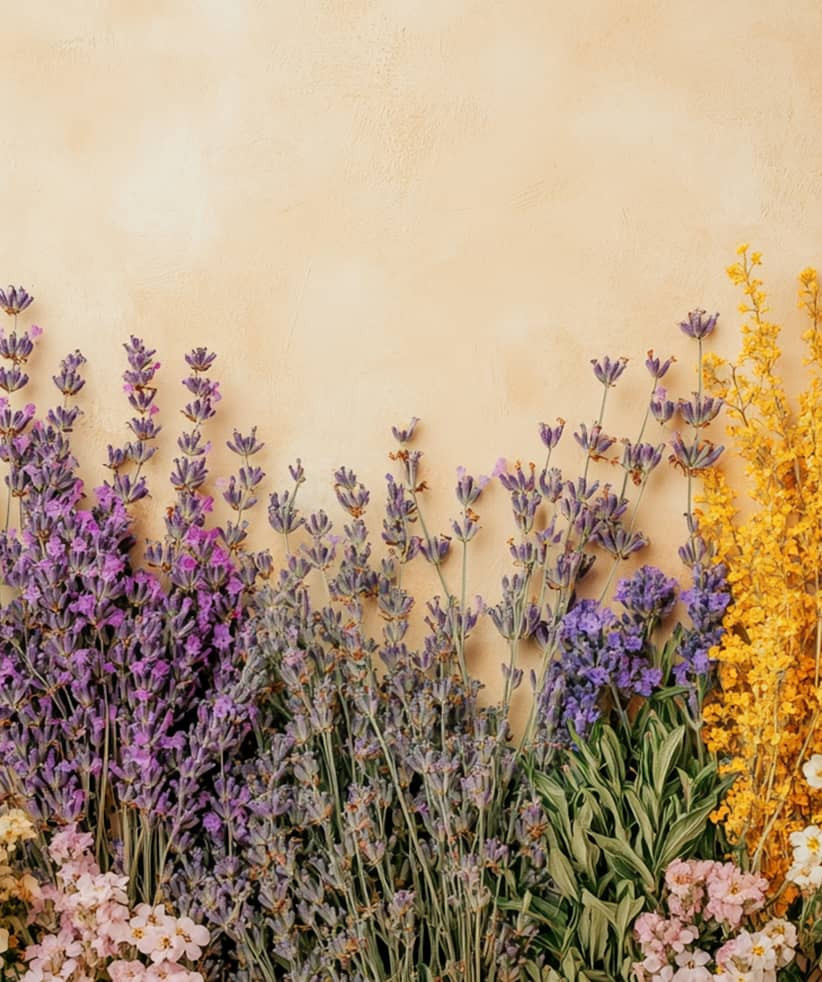
Some plants seem to hold an entire landscape within them. Thyme is one of them. It evokes the dry paths of Provence, stones warmed by the sun, fragrant hills after a bright day, baskets of carefully gathered herbs, and simple gestures passed down from generation to generation.
As an infusion, thyme offers a bold, vegetal, slightly woody cup, with the distinctive intensity of Mediterranean plants. It does not seek to charm through softness alone: it asserts a presence, a warmth, a personality. It is a plant with character, deeply connected to folk traditions, family recipes, and winter rituals.
At Provence d’Antan, thyme is part of this vision of a modern-day herbal apothecary: plants chosen with care and high standards, infusions elaborated in France, and a way of bringing Provence into everyday moments.
Thyme, an emblematic plant of Provence
Thyme is inseparable from the landscapes of the South of France. It can be found in the garrigue, on dry soils, between stones, where the light is bright and the earth demanding. This fragrant plant belongs to the large Lamiaceae family, alongside mint, sage, rosemary, and lemon balm.
Its best-known botanical name, Thymus vulgaris, refers to common thyme, widely used in cooking and in herbal traditions. For a long time, it has accompanied Mediterranean cuisine, bouquets garnis, slow-cooked dishes, marinades, and also simple infusions prepared at home.
This connection with Provence makes it a plant that fits naturally within the Provence d’Antan universe: authentic, sun-filled, rustic, yet always elegant in its simplicity.
Where does thyme come from, and why is it part of tradition?
Thyme has travelled through the ages. In Antiquity, it was already present in everyday uses, both for its green, plant-like scent and for its place in certain rituals. Its name is said to be associated with ideas of courage, breath, and symbolic strength, but above all, it should be remembered for its deep roots in Mediterranean cultures.
In Provençal homes, thyme has long been a familiar plant. It was used in cooking, dried, stored in jars, and combined with rosemary, bay leaf, savory, or marjoram. It was one of those plants kept close at hand, not as a rare ingredient, but as an everyday companion.
As an infusion, it follows the same spirit: a simple, vegetal, direct cup, prepared when one is looking for a warm drink with a strong character, inspired by folk traditions.
What does a thyme infusion taste like?
A thyme infusion has an immediately recognisable personality. Its taste is vegetal, dry, slightly peppery, with a woody and sometimes almost mineral facet. It is an infusion with character: less rounded than verbena, less soft than linden, and more Mediterranean in expression.
It particularly appeals to those who enjoy bold plants, lightly sweetened cups, notes of garrigue, and authentic sensations.
To soften its intensity, thyme can be paired with rounder or brighter ingredients:
lemon, for a lively and fresh cup;
honey, for a more enveloping note;
rosemary, for a very Provençal signature;
verbena, to bring softness;
ginger, for a spicier composition;
cinnamon, for a warm, winter-inspired creation.
These pairings make it possible to create more nuanced infusions, suited to the seasons and to different moods.

How to prepare a thyme infusion
Preparing a thyme infusion is based on a simple gesture, but a few details can make all the difference.
For a balanced cup, you can use:
one teaspoon of dried thyme or one sprig of thyme;
simmering water, ideally around 90°C;
an infusion time of 5 to 8 minutes, depending on the desired intensity;
a covered cup while it infuses, to preserve the plant’s vegetal richness.
The longer the infusion time, the more thyme reveals its intensity. For a softer cup, it is best to stay around 5 minutes. For a more pronounced drink, the infusion time can be slightly extended.
Thyme can be enjoyed on its own, but it often benefits from being accompanied. A slice of lemon, a touch of honey, or a combination with other plants can create a more personal cup.
What can thyme be paired with in an infusion?
Thyme is a structuring plant. It brings depth to a blend and immediately adds a Mediterranean dimension. In an infusion, it can be used as the main note or as a vegetal support.
Thyme and lemon
The thyme and lemon pairing is one of the best known. Lemon brings a tangy touch that brightens the dry character of thyme. Together, they create a lively, simple, and luminous cup.
Thyme and honey
Honey brings roundness. It softens the vegetal intensity of thyme and makes the infusion gentler. This pairing is especially appreciated during the colder seasons, when one is looking for a warm, generous, and comforting drink.
Thyme and rosemary
Thyme and rosemary form a deeply Provençal duo. Rosemary brings a resinous, sun-filled note that extends the spirit of the garrigue. It is an ideal pairing for those who enjoy bold, vegetal, and Mediterranean infusions.
Thyme and ginger
Ginger brings a lively, spicy note. With thyme, it creates an infusion with character, more vibrant on the palate, perfect for those who enjoy intense cups.
Thyme and verbena
Verbena helps soften thyme. It brings a rounder, more delicate, almost lemony impression, balancing the plant’s vegetal power.
When to enjoy a thyme herbal tea
A thyme infusion naturally finds its place in simple everyday moments. It can accompany the end of a meal, a quiet pause, the return from a walk, a winter evening, or a moment of reading.
It does not need to be reserved for a specific time of day. Its strength lies precisely in being a familiar plant, easy to include in a routine, either on its own or blended with others.
A few ritual ideas:
after a meal, to extend the pleasure of the table with a warm cup;
in the late afternoon, when replacing coffee with a more characterful infusion;
in the evening, paired with a softer plant such as verbena or linden;
in winter, with lemon, honey, or cinnamon;
in the kitchen, to accompany a savoury recipe or a citrus dessert.
Thyme is a plant of connection: it links cooking, herbal tea, Provence, and the simple gestures of the home.
What are the active compounds in thyme?
Thyme is rich in active compounds, but two of them stand out for their powerful effects: thymol and carvacrol. These essential oils are responsible for thyme’s therapeutic properties.
What is thymol?
Thymol is a monoterpenic phenol with antiseptic and antimicrobial properties. It works by damaging bacterial membranes and preventing their proliferation. Studies have shown that thymol is particularly effective against bacteria involved in respiratory infections, such as those associated with bronchitis or sinusitis.
And carvacrol?
Carvacrol, a chemical cousin of thymol, has antifungal and anti-inflammatory properties. It helps calm inflammation in the respiratory tract and supports the elimination of pathogens. Research also suggests that it may have a protective effect against certain cellular mutations, making it a powerful natural antioxidant.
Pour un usage site/e-commerce, je te recommande de retravailler la dernière partie : elle contient des allégations thérapeutiques assez directes.

Thanks to its richness in thymol and carvacrol, thyme infusion offers many benefits, particularly during the winter season.
a. Supports the immune system
Thyme helps support the body’s natural defences. It is traditionally associated with winter routines and is often enjoyed during the colder months, especially when one is looking for a warm, characterful herbal drink.
Tip: At the first signs of seasonal discomfort, enjoy 2 to 3 cups of thyme infusion per day as part of a comforting winter ritual.
b. Comforts the respiratory sphere
Thyme is traditionally used in herbal practices for the respiratory sphere. Its strong, vegetal character makes it a popular plant in winter infusions, especially when paired with honey for a softer, more enveloping cup.
Tip: Add a touch of thyme honey to your infusion for a gentle, soothing sensation on the palate and throat.
c. Supports digestion
Thyme is also appreciated after meals. Its bold, aromatic profile makes it a pleasant choice at the end of the table, especially after generous or flavourful dishes.
Tip: Enjoy one cup of thyme infusion after meals as a simple digestive ritual..

Thyme infusion: precautions to keep in mind
Like all plants, thyme should be enjoyed with moderation and discernment. An occasional infusion, or one included as part of a balanced daily routine, should not be approached in the same way as concentrated or prolonged use.
As a precaution, it is recommended to seek advice from a healthcare professional in cases of pregnancy, breastfeeding, medical treatment, known health conditions, or for young children.
People who are sensitive to plants from the Lamiaceae family should also remain attentive. When in doubt, it is best to avoid making it an automatic habit and to seek advice suited to your individual situation.
At Provence d’Antan, we like to speak about plants with respect: they invite us into rituals, tasting moments, and a sensitive relationship with nature, but they never replace medical advice.
Key things to remember about thyme infusion
Thyme is an emblematic plant of Provence, recognisable for its vegetal, dry, and slightly woody taste.
As an infusion, it can be enjoyed on its own or paired with other ingredients such as lemon, honey, rosemary, verbena, ginger, or cinnamon.
It fits easily into everyday rituals: a warm pause, the end of a meal, a winter moment, or a quiet return to calm.
Like any plant, it should be consumed with discernment, especially in specific personal situations.
FAQ about thyme infusion
How do you make a thyme infusion?
To prepare a thyme infusion, pour simmering water over one teaspoon of dried thyme or one sprig of thyme. Leave to infuse for 5 to 8 minutes, ideally covered, then strain before tasting.
Can you drink thyme infusion every day?
Thyme infusion can occasionally be included in a varied food routine. For daily or prolonged consumption, it is best to seek advice from a healthcare professional, especially in cases of pregnancy, breastfeeding, medical treatment, or particular sensitivity.
What can thyme be paired with in herbal tea?
Thyme pairs beautifully with lemon, honey, rosemary, verbena, ginger, or cinnamon. These combinations make it possible to create cups that are softer, fresher, or spicier, depending on your mood.
What is the difference between fresh thyme and dried thyme in an infusion?
Fresh thyme offers a more vegetal and lively expression. Dried thyme is often more concentrated in taste and easier to keep. Both can be used in an infusion, with the quantity adjusted according to the desired intensity.
What does thyme herbal tea taste like?
Thyme herbal tea has a vegetal, dry, slightly peppery, and woody taste. It recalls the plants of the garrigue and Mediterranean landscapes.
Can thyme and rosemary be blended together?
Yes, thyme and rosemary form a very Mediterranean pairing. Their vegetal, sun-filled profile evokes Herbes de Provence and the landscapes of the South of France.
Discover Provence d’Antan infusions inspired by plants with character
At Provence d’Antan, plants are chosen for their personality, their history, and their ability to create beautiful tasting moments. Thyme, rosemary, verbena, lemon balm, linden, cinnamon, and ginger each tell a different way of inhabiting the season.
Our infusions, elaborated in France, invite you to rediscover these simple gestures: heating the water, choosing your cup, allowing the plants to infuse, breathing in the rising steam, then savouring a few minutes just for yourself.
To extend the experience, discover our collection of single-plant herbal teas, our seasonal infusions, and our Provence d’Antan gift sets, to offer or to enjoy for yourself.

Want to rediscover the spirit of Provençal plants in your cup? Discover our infusions, elaborated in France, designed as little rituals to savour throughout the seasons.
Découvrir la sélection