Bienfait cacao : origines, dégustation et recettes gourmandes
In short
Cocoa is above all a pleasure: that of a bean from the tropics, roasted, ground and turned into comforting cups. Travel from its origins to tasting, then make three seasonal recipes for the holidays, to share over a hot chocolate or an organic chocolate infusion.
Cocoa benefits: a treasure of flavour to discover
When you search for “cocoa benefits”, you find a thousand promises. At Provence d'Antan, we prefer to talk about what we truly know: flavour, history, gestures and rituals. Cocoa is a noble ingredient with a rare aromatic richness, able to evoke roasted notes, red fruit, nuts or vanilla depending on its origin and processing. Its real benefit, at this time of year, is bringing people together around a table.
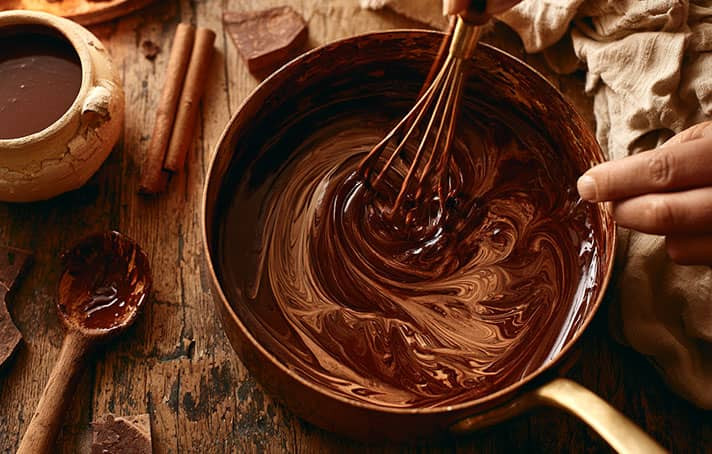
As the holidays approach, when the days grow shorter and hands seek the warmth of a cup, hot chocolate once again becomes the companion of our evenings. In Vernègues, at the foot of the Alpilles, we like to make it slowly, in an old saucepan, with piping hot milk and a hint of spices.
Our house offers a fine selection of organic chocolate infusions, so you can enjoy that indulgent flavour without getting out the saucepan. This article takes you from cocoa pods to recipes, by way of the art of tasting.
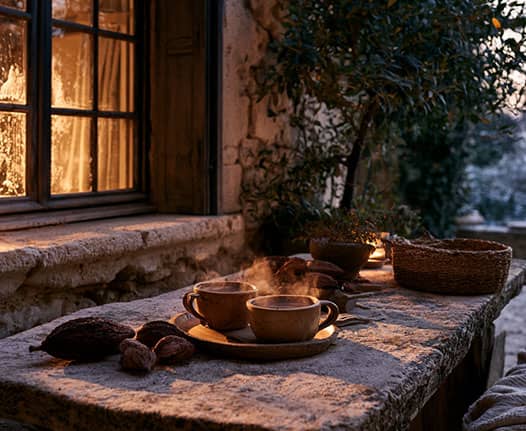
Table of contents
Where does cocoa come from? From the cacao tree to the chocolate bar
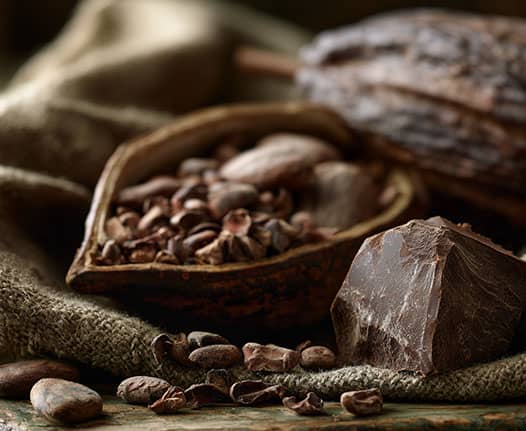
The cacao tree, Theobroma cacao, is an understory tree that grows near the equator, sheltered from heat and wind. Its fruits, the pods, grow directly on the trunk and the large branches. Each pod contains beans coated in a white, tangy and fragrant pulp.
A history spanning several centuries
The civilisations of Central America were already drinking cocoa long before the Europeans arrived, often bitter and spiced. The Spanish then brought it back to Europe, where people began to sweeten it with sugar, then to add cinnamon or vanilla. Hot chocolate became a drink of the royal court, then a pleasure for everyone.
From bean to powder: the main steps
- Harvesting: the ripe pods are opened with a machete, and the beans are removed along with their pulp.
- Fermentation: a key step, it develops the aroma precursors and softens the bitterness.
- Drying: the beans dry in the sun, which allows them to be stored and transported.
- Roasting: it brings out notes of toast, hazelnut or coffee.
- Grinding: the shelled beans give nibs, then a paste, the cocoa mass.
- Separation: the paste can be pressed to obtain cocoa butter and a powder.
The main families of cocoa
Connoisseurs distinguish several varieties, including criollo, rare and delicate, forastero, more common and robust, and trinitario, a cross between the two. As with wine, terroir matters a great deal: a South American cocoa does not express itself like a West African one.
| Form of cocoa | Appearance | Culinary use |
|---|---|---|
| Cocoa nibs | Roasted bean fragments | Infusions, pastries, crunchy toppings |
| Cocoa powder | Fine brown powder | Hot drinks, cakes, creams |
| Dark chocolate | Bar or buttons | Hot chocolate, ganaches, fondants |
| Cocoa butter | Creamy fat | Smoothness of chocolates and desserts |
Tasting cocoa: aromas, textures and pairings
Listening to cocoa takes a little patience. Start by looking at the colour, from light mahogany to almost black brown. Then breathe in: the nose may suggest toast, hazelnut, dried fig, coffee or flowers. In the mouth, let it melt slowly to perceive the texture, then the finish.
Aromatic notes to look for
- Roasted: toast, coffee, brown caramel.
- Fruity: red berries, citrus, dried fruit.
- Woody and spicy: walnut, cinnamon, blond tobacco.
- Floral: a subtle hint of dried flowers.
What goes well with cocoa?
Cocoa pairs with many flavours from our garrigue and our festive tables: honey, especially a chestnut honey with its gentle bitterness, almonds, figs, orange, cinnamon and vanilla. A cup of hot chocolate with a honey biscuit, or a cinnamon black tea with a square of dark chocolate, is all you need for a winter afternoon treat.
Choosing your chocolate drink
Depending on your mood, you can opt for a thick, indulgent hot chocolate, or for a light infusion that flavours the cup without weighing it down. Our house chocolate infusions let you enjoy the taste of cocoa, often paired with Christmas spices, in just a few minutes of brewing.
Three indulgent cocoa recipes for the holidays
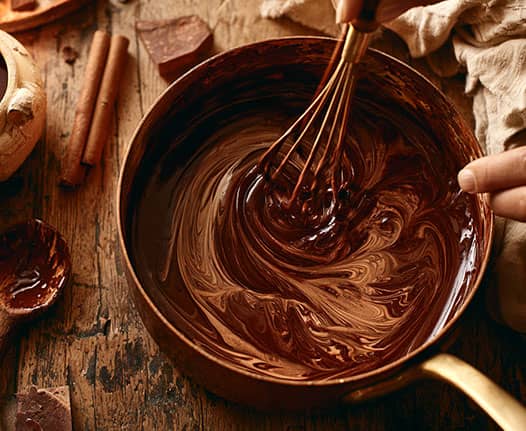
Here are three simple ideas, designed for December evenings. Quantities are for two people. Always check the composition of the ingredients you use (chocolate, milk, plant-based drink) if you are cooking for guests.
The farmhouse hot chocolate
Ingredients: 400 ml whole milk (or the plant-based drink of your choice), 60 g dark chocolate in pieces, 1 cinnamon stick, 1 teaspoon honey (optional).
- Heat: pour the milk into a saucepan with the cinnamon stick, over low heat, without letting it boil.
- Melt: remove the cinnamon, add the chocolate pieces and let them melt while stirring.
- Whisk: whisk until smooth and frothy, then add honey to taste.
- Serve: pour into warm cups and enjoy immediately.
The milky Christmas chocolate infusion
Ingredients: 1 bag of Christmas cocoa and spice infusion, 150 ml hot water, 150 ml hot milk, a little sugar or honey to taste.
- Brew: let the bag steep in the hot water for the time indicated on the box.
- Remove: take out the bag, draining it gently.
- Top up: add the hot milk and stir.
- Sweeten: sweeten to taste, then enjoy piping hot.
Cocoa cinnamon black tea, dessert version
Ingredients: 1 bag of cocoa cinnamon black tea, 250 ml hot water, 1 scoop of vanilla ice cream, a few dark chocolate shavings.
- Brew: prepare the tea following the instructions on the box, then let it cool slightly.
- Pour: pour the lukewarm tea into a glass or a coupe.
- Garnish: add the scoop of vanilla ice cream and sprinkle with chocolate shavings.
This recipe makes a lovely festive dessert, halfway between an Italian affogato and afternoon tea.
Which Provence d'Antan products to discover?
Here is a selection of our products to extend these recipes and tastings. Each product page links to the detailed composition of the product, to check before buying.
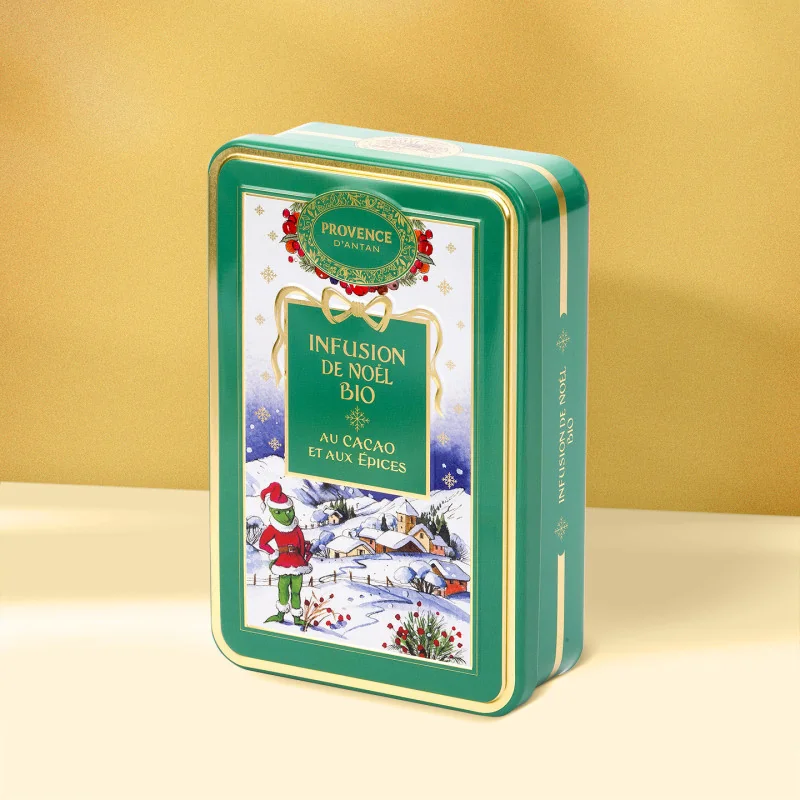
Organic* Christmas Infusion with Cocoa and Spices
An indulgent infusion that evokes festive hot chocolate and the warmth of spices. Enjoy it plain or topped up with hot milk.
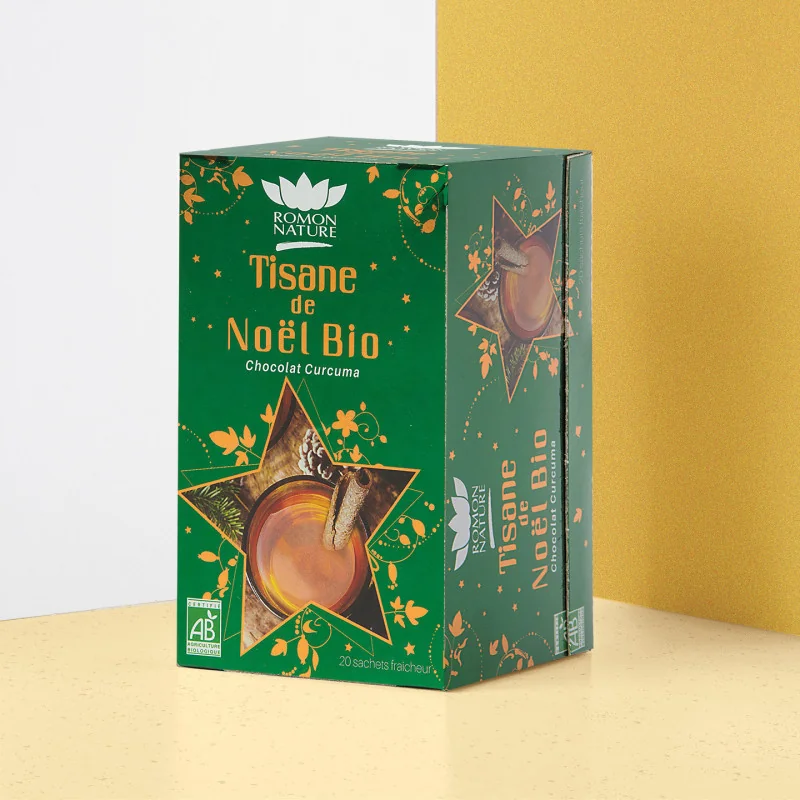
Organic* Christmas Chocolate Turmeric Infusion
A chocolate infusion in tea bags, handy for an impromptu comforting break in December. From €2.50.
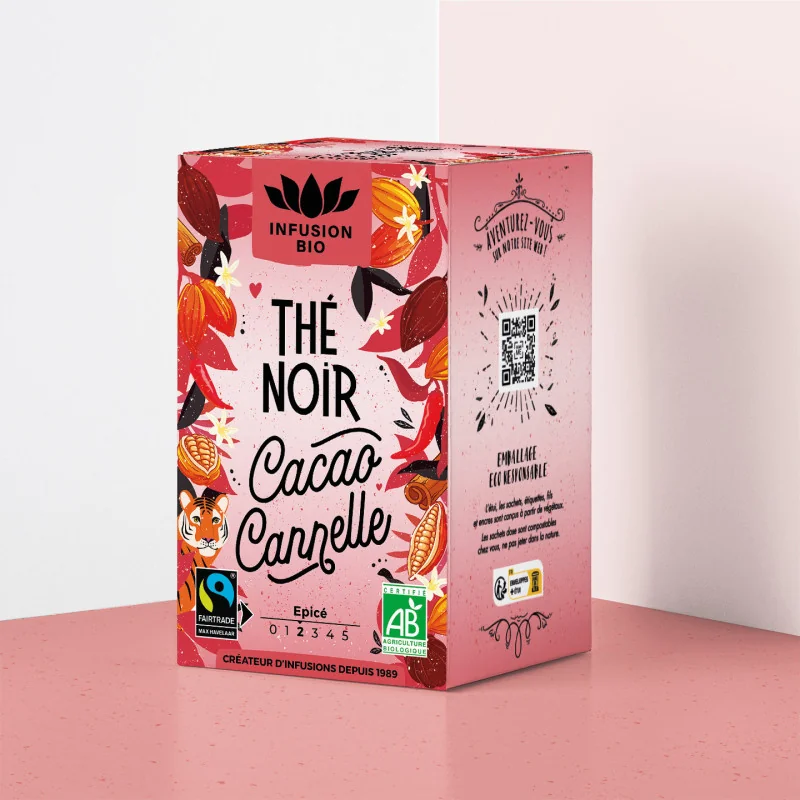
Organic* Cocoa Cinnamon Black Tea
A black tea that combines cocoa and cinnamon, ideal for the dessert recipe or to accompany a square of dark chocolate.
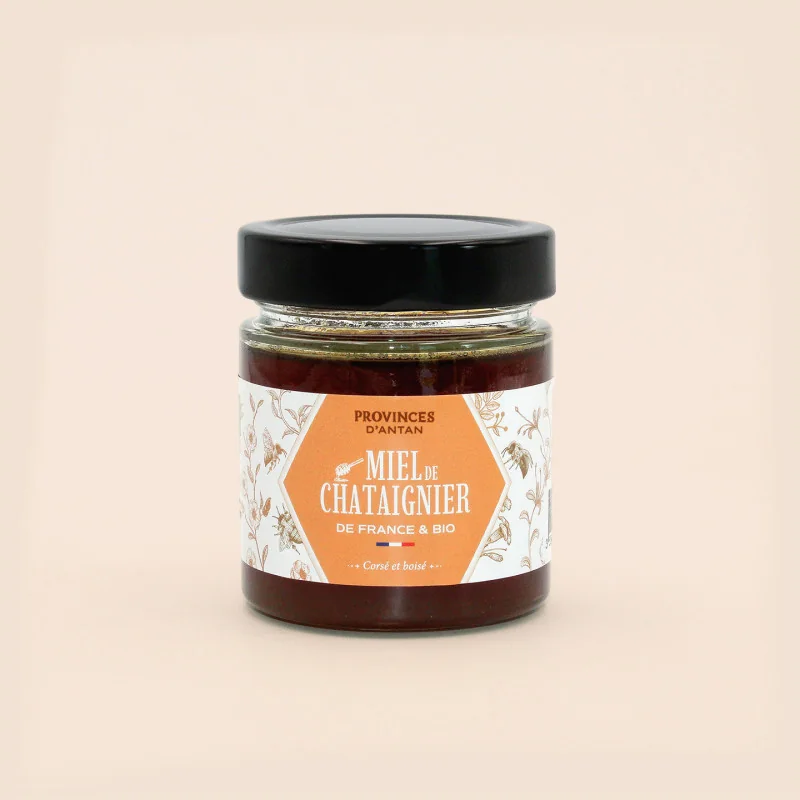
Organic* French Chestnut Honey 220 g Jar
Its woody character naturally pairs with hot chocolate: one spoonful is enough to sweeten it.
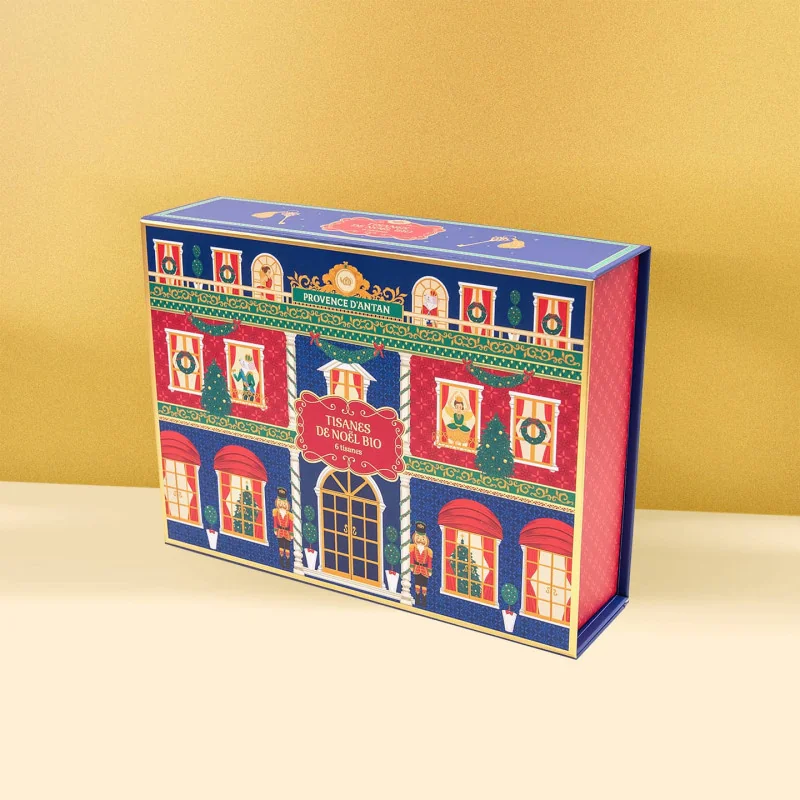
Blue Gift Box Assortment of 6 Organic* Christmas Herbal Teas – 60 bags
A gift box to vary the pleasures during the holidays, to give or to share with family.
See all our indulgent chocolate infusions
Precautions to know
- Allergens: check the composition of each ingredient (chocolate, milk, plant-based drinks, spices) before cooking for your guests, as some chocolates may contain traces of nuts, milk or soy.
- Product composition: consult the page of each infusion or tea to know its exact ingredients.
- Temperature: let very hot drinks cool for a moment, especially for children.
- Medical advice: if you follow a special diet, are pregnant or undergoing treatment, ask a health professional for advice.
Key takeaways
- Cocoa comes from the beans of the cacao tree, fermented, dried and then roasted.
- Its flavour varies according to the variety, the terroir and the roasting.
- Tasting happens in three stages: look, smell, let it melt.
- Chestnut honey, cinnamon and orange pair very well with it.
- An organic chocolate infusion offers a light version of hot chocolate.
- Always check the composition of ingredients before cooking.
FAQ
Where does cocoa come from?
Cocoa is the bean of the cacao tree, a tropical tree grown near the equator, in Latin America, West Africa and Southeast Asia.
What is the difference between cocoa and chocolate?
Cocoa is the raw material obtained from the beans. Chocolate is a processed product that combines cocoa mass, cocoa butter and, most often, sugar.
How do you make a creamy hot chocolate?
Heat the milk gently without boiling it, add the dark chocolate in pieces, then whisk until smooth and frothy.
Which infusion should you choose to enjoy the taste of hot chocolate?
A chocolate infusion with Christmas spices is a good choice. Enjoy it plain or topped up with hot milk, as you prefer.
What goes well with a cocoa drink?
Chestnut honey, cinnamon, orange, almonds or figs are classic, indulgent pairings.
Where can you find organic chocolate infusions?
You will find them in the chocolate infusions category of the Provence d'Antan shop, with the detailed composition of each product.