What is fennel?
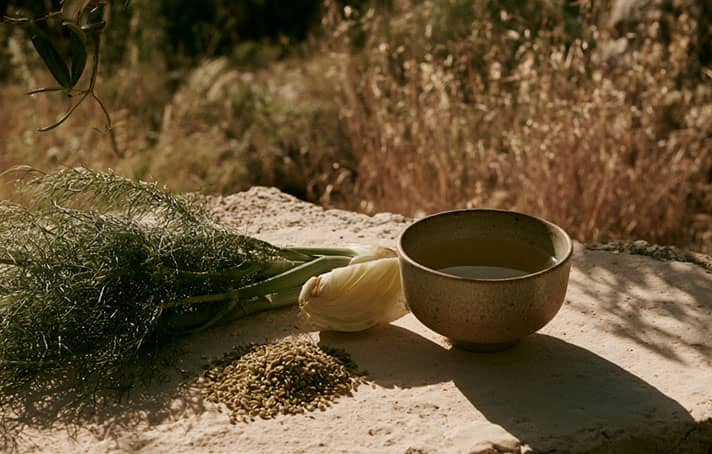
Fennel is an aromatic plant known for its aniseed note. In cooking, people usually know the bulb, eaten raw or cooked in Mediterranean dishes. For infusions, it is mainly the seeds, or other parts suited to herbal tea, that are used to make a gentle, fragrant drink.
Its plant profile is quite distinctive. It recalls anise, but with a softer roundness, and can bring to mind the end of a meal, southern recipes, summer tables, fish, citrus fruit or fresh herbs.
As a herbal tea, fennel is mostly searched for in connection with digestion: fennel tea for digestion, benefits of fennel infusion, fennel infusion after meals or digestive herbal tea.

What does fennel infusion taste like?
Fennel infusion is soft and aniseedy, with a slight hint of sweetness. It isn't sharp like mint, lemony like lemon verbena or floral like chamomile. Instead it has a very recognisable plant-like roundness.
It is especially popular after a meal because it doesn't weigh down the end of the dinner. It leaves the mouth feeling fresh, soft and clean.
Fennel can be enjoyed on its own, but it also pairs very well with other plants:
- mint, for extra freshness;
- lemon balm, for a soft, lemony note;
- lemon verbena, for a brighter cup;
- ginger, for a lively touch;
- lemon, for some sparkle;
- chamomile, for a rounder infusion;
- orange, for a sunnier version.
What are the benefits of fennel infusion?
Fennel is mainly of interest for its link with digestive comfort. Under the wording that can be used, fennel is stated to contribute to digestive comfort. This is the most relevant angle for this article, as it matches a strong search intent and relates directly to how herbal tea is used.
However, it's important to be precise: a fennel infusion should not be presented as a medical solution. It goes with an after-meal ritual, as part of a varied diet and a balanced lifestyle.
Fennel and digestive comfort
After a larger lunch, a late dinner or a rich meal, a cup of fennel tea makes a nice way to end the meal. Its aniseed note gives a feeling of freshness and softness and fits with the traditional uses of digestive herbal teas.
The right wording to remember is simple:
Fennel contributes to digestive comfort.
On the other hand, overly direct promises such as "relieves pain", "gets rid of bloating" or "fixes digestive problems" should be avoided.
Fennel and the after-meal ritual
Fennel works very well as a ritual: heat the water, let it steep, sip slowly and linger at the table without coffee or a sugary drink. This everyday use is what gives the content its value.
Fennel tea can be enjoyed:
- after lunch;
- after dinner;
- in the late afternoon;
- after a heavier meal;
- as part of a gentle digestive routine;
- as an alternative to a sugary drink.
Fennel: a theine-free infusion
Fennel on its own contains no theine. It can therefore suit people looking for a plant-based drink after meals, including in the evening, as long as they check the exact composition of the blend.
This is a point worth highlighting in the article: fennel can be part of an evening routine for anyone who wants to avoid tea, coffee or stimulating drinks.

Why drink fennel tea after a meal?
Fennel is one of the most natural choices for an after-meal herbal tea. Its aniseed flavour gives a sense of freshness, and its roundness makes the cup pleasant even without sugar.
After a meal, the aim isn't an immediate effect but a gentler moment. A warm cup, a short walk, a meal eaten calmly and staying well hydrated are all simple, useful habits.
Fennel tea fits well with this approach. It doesn't replace a balanced diet, but it can go along with a more regular routine.
How to prepare a fennel infusion
To make a fennel infusion, pour very hot water over the tea bag or the plant, then leave it to steep for the time shown on the product.
Simple method
Pour 200 ml of very hot water into a cup.
Add a tea bag or the recommended amount of fennel.
Cover the cup while it steeps.
Leave to steep for 6 to 8 minutes, following the product's instructions.
Remove the tea bag or strain.
Enjoy it plain, or add a touch of lemon or honey if you like.
A fresher version
In summer, or after lunch on the terrace, make a strong fennel infusion, let it cool, then serve it chilled with a few ice cubes, a slice of lemon and a mint leaf.
This version keeps fennel's aniseed character but feels lighter.
After-meal version
For a cup with a more digestive feel, combine fennel with a complementary plant such as mint, lemon balm, lemon verbena or ginger. The goal is still a pleasant drink that suits the moment you're drinking it.
When to drink fennel tea
Fennel tea is mostly drunk after meals, but it can also go with other moments of the day.
After lunch
This is the most obvious time. A fennel infusion lets you linger at the table without another coffee, especially if you want a theine-free drink.
After dinner
Fennel can also be enjoyed in the evening, particularly after a larger meal. In that case, choose a theine-free blend.
In the late afternoon
A cup of fennel tea makes a nice simple break, especially if you enjoy aniseed and herbal notes.
When your routine changes
Travel, the return to school or work, later meals, long weekends, festive seasons: when habits change, fennel tea can find its place again in a more regular routine.
Which plants pair well with fennel?
Fennel and mint
Mint adds a sharper freshness. With fennel it makes a clean, herbal cup that is very pleasant after a meal.
Fennel and lemon balm
Lemon balm softens the aniseed note with a lemony touch. It's a nice pairing for an end-of-day infusion.
Fennel and lemon verbena
Lemon verbena brings a sunny, slightly lemony freshness that gives fennel a brighter character.
Fennel and ginger
Ginger livens up fennel's softness with a warm, slightly spicy note. This pairing works well after a richer meal.
Fennel and lemon
Lemon adds sparkle and balances fennel's roundness. It's a good option for a livelier infusion.
Fennel and chamomile
Chamomile brings a floral, honeyed softness. With fennel it makes a rounder herbal tea, ideal in the evening.
Fennel and orange
Orange gives a fruity, soft, Mediterranean note. It works particularly well in a warm or chilled infusion.

Recipe: warm pears in fennel infusion with honey and lemon

What if fennel left the cup to flavour a simple dessert? This recipe turns the infusion into a light, delicately aniseed syrup that goes perfectly with warm pears.
Ingredients for 2 people
- 2 ripe but firm pears
- 1 fennel tea bag or one serving of fennel for infusion
- 250 ml hot water
- 1 teaspoon honey
- A few drops of lemon juice
- A few flaked almonds or crushed hazelnuts
- A pinch of cinnamon, if you like
Method
Make a strong fennel infusion with 250 ml of hot water. Leave to steep for 6 to 8 minutes, then remove the tea bag or strain.
Pour the infusion into a small saucepan. Add the honey and a few drops of lemon juice. Heat gently without boiling.
Peel the pears, cut them into quarters, then place them in the hot infusion. Simmer gently for a few minutes until tender but still holding their shape.
Serve the pears warm with a little of the fennel infusion syrup, a few flaked almonds or crushed hazelnuts, and a light pinch of cinnamon if you like spicier desserts.
Why it works
Fennel brings a soft aniseed note that is very elegant with pear. Honey rounds everything off, lemon adds a little brightness and the almonds give some crunch. It's a simple, light and original recipe, perfect after dinner or as a seasonal dessert.
Which Provence d'Antan products to discover
Fennel Herbal Tea, grown in France
Discover our Fennel Herbal Tea, grown in France
Digestion & Transit Herbal Teas
Explore our Digestion & Transit herbal teas
Single-Plant Infusions
Discover our single-plant infusions
Provence d'Antan Wellness Herbal Teas
Build your wellness routine
Precautions
Fennel may seem gentle and familiar, but it is still a plant and should be consumed sensibly.
Follow the instructions on the product: amount of water, steeping time, dosage and any recommended frequency.
Fennel tea should not be presented as a medical solution for a digestive disorder. If you have significant pain, persistent symptoms, recurring digestive problems or any doubt, it is best to seek advice from a healthcare professional.
As a precaution, herbal infusions may not be recommended in some situations: pregnancy, breastfeeding, young children, medical treatment, a known medical condition, allergies or particular sensitivities. So check the exact composition of the product before drinking it regularly.
Key takeaways
Fennel infusion has a soft, aniseed, naturally rounded flavour.
It is especially popular after meals.
Fennel contributes to digestive comfort.
Fennel tea is usually made with very hot water and steeped for 6 to 8 minutes, following the product's instructions.
It pairs very well with mint, lemon balm, lemon verbena, ginger, lemon, chamomile or orange.
It can also be used in cooking, for example to flavour warm pears with honey and lemon.
Like any plant, it should be consumed sensibly and with the usual precautions.
FAQ
What are the benefits of fennel infusion?
Fennel contributes to digestive comfort. As an infusion, it goes well with after-meal rituals but should not be presented as a medical solution. It fits into a simple routine alongside a varied diet and a balanced lifestyle.
Does fennel tea help digestion?
Fennel tea has traditionally been linked with the end of a meal. Fennel contributes to digestive comfort, which makes it a good choice for after-meal infusions. However, no immediate or guaranteed effect should be promised.
When should you drink a fennel infusion?
A fennel infusion is mainly drunk after lunch or dinner. It can also go with a late-afternoon break, or any time you want a theine-free herbal drink.
How do you make fennel tea?
Pour very hot water over the tea bag or the plant, cover the cup and leave to steep for 6 to 8 minutes, following the product's instructions. Enjoy it plain or with a touch of lemon.
What does fennel infusion taste like?
Fennel infusion has a soft, herbal, aniseed flavour. It feels rounded in the mouth and goes very well with mint, lemon balm, lemon verbena, lemon or ginger.
Does fennel contain theine?
Fennel on its own contains no theine. However, check what's in the blend: if the recipe includes green tea, black tea, white tea or maté, it may contain theine.
Can you drink fennel tea in the evening?
Yes, fennel tea can be drunk in the evening, especially after dinner, as long as the blend contains no theine. Follow the consumption advice on the product.
What can you pair with fennel in an infusion?
Fennel pairs very well with mint, lemon balm, lemon verbena, ginger, lemon, orange or chamomile. These pairings let you make a fresher, softer or livelier cup, depending on your mood.
Can you cook with fennel infusion?
Yes. A strong fennel infusion can flavour a dessert, a light syrup, a poached pear or even a mild vinaigrette for a citrus salad. It adds a subtle aniseed note.
Is fennel tea suitable for everyone?
Not necessarily. Like any plant, fennel should be consumed sensibly. If you are pregnant or breastfeeding, taking medication, have a medical condition or allergy, or are in any doubt, seek advice from a healthcare professional.