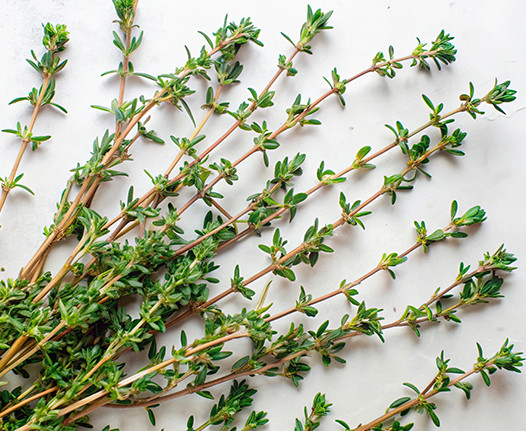
Chamomile: discovering the plant, its traditional uses and how to prepare it
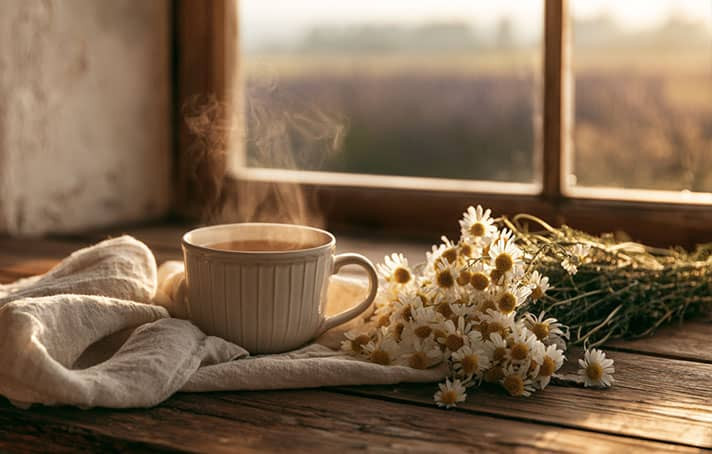
Among the plants that scent our cupboards and our childhood memories, chamomile holds a special place. A simple tea bag, a little hot water, and the kitchen fills with a soft, almost fruity aroma, with hints of freshly cut hay, honey and apple. Many people search for "chamomile benefits" hoping to learn more about this flower. At Provence d'Antan, we have chosen to tell its story differently: through its history, its cultivation, its taste and the right way to prepare it.
This article invites you to get to know the plant, to understand what makes its aroma so distinctive, to master the infusion and to discover a few delicious ideas for bringing it into your kitchen.
Key takeaways
- Chamomile is a small wild flower with white flower heads and a yellow centre, recognisable by its apple-like fragrance.
- Its name comes from the Greek khamaimêlon, "earth apple" or "ground apple".
- A good infusion comes down to three steps: simmering water, a lid, and patience.
- It also works beautifully in cooking: syrups, creams, honeys and desserts.
Contents
A modest flower with a name that smells of apple
When people talk about chamomile, they usually mean so-called "German" chamomile (Matricaria chamomilla), a member of the Asteraceae family, the same family as daisies. It is an annual plant, around thirty centimetres tall, with finely cut leaves, which flowers from late spring to the height of summer. Its flower heads, a domed yellow centre surrounded by white, downward-curving petals, are harvested when they are fully open.
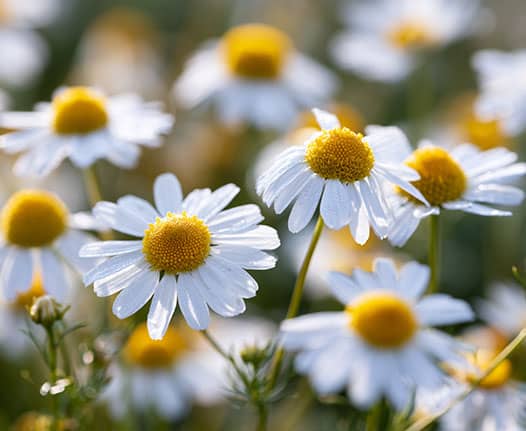
The plant's Greek name, khamaimêlon, combines "on the ground" and "apple". The Ancients had noticed that, when crushed between the fingers, the flower gives off the scent of fresh apple. This fruity note is still one of chamomile's signatures today, and it is largely what makes it so recognisable in the cup.
In the Provençal countryside, you come across it along field edges and on sunny banks, among poppies and cornflowers. Its modesty is deceptive: once dried, it captures the whole of summer in a handful of small golden flowers.
A plant with very ancient roots
Chamomile has accompanied humankind for thousands of years. Ancient Egyptian texts already mention it, and tradition has it that it was dedicated to the sun god, no doubt because of its golden flower heads. The Greeks and Romans in turn grew it, used it as a fragrance, wove it into garlands and planted it in their gardens.
In the Middle Ages, herb gardens counted it among the essential plants, growing alongside sage, thyme and lemon balm. In homes, people liked to dry it in bunches hung from the beams and keep it in wooden or tin boxes for the long winter evenings. This simple ritual of picking, drying and storing lives on in many families today.
Chamomile has thus become one of the most widespread herbal teas in Europe, so much so that in everyday French its name is often used as a synonym for "herbal tea". In Spain it is called manzanilla, "little apple", a name that also refers to a famous dry wine from Andalusia, so closely does the flower's fragrance recall that of the wine.
The taste of chamomile
For those who really take the time to discover it, chamomile is surprisingly complex. You will find:
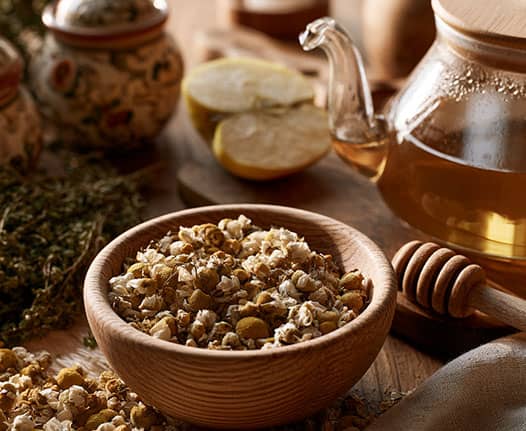
- a soft floral note, close to acacia honey;
- a fruitiness of ripe apple, sometimes pear;
- a herbaceous hint, reminiscent of sun-dried hay;
- a slight bitterness on the finish if the infusion has steeped too long.
This bitterness is perfectly normal: it is part of the plant's character. Some people soften it with a drizzle of lavender honey or a slice of lemon, while others enjoy it just as it is, in all its rounded, herbal fullness.
Chamomile also shines in blends. It pairs happily with orange blossom, lemon balm, cornflower, verbena or lime blossom, plants that extend its floral notes without overpowering them. If you would like a detailed comparison of these plants, we have a dedicated article on the subject; here, we stay focused on chamomile.
How to prepare chamomile
Making a cup of chamomile seems obvious, and yet a few details make all the difference between a flat infusion and a cup that sings. Here is the method we recommend at home.
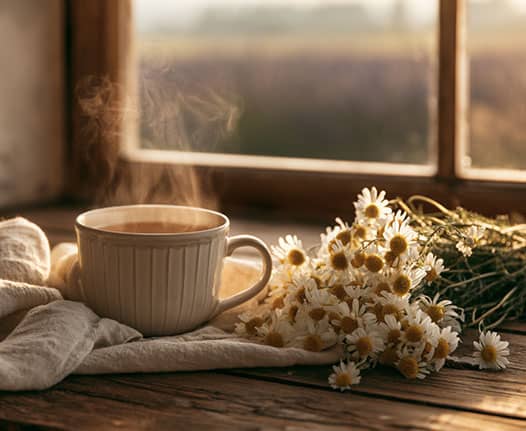
- Choose good-quality water, ideally soft: it lets the aromas express themselves better.
- Heat the water without bringing it to a full boil: aim for around 90 to 95 °C, the moment the first bubbles appear.
- Pour over the flowers: one tea bag, or one heaped teaspoon of dried flowers for a 200 ml cup.
- Cover with a saucer or lid to hold in the volatile aromas, the very ones you want to keep.
- Steep for 5 to 7 minutes, depending on the strength you prefer.
- Remove the tea bag or strain, then enjoy at the temperature of your choice.
| Preparation | Quantity | Temperature | Time |
|---|---|---|---|
| Tea bag, 200 ml cup | 1 tea bag | 90–95 °C | 5 to 7 min |
| Loose flowers, cup | 1 tsp | 90–95 °C | 5 to 7 min |
| Teapot, 1 litre | 3 to 4 tsp | 90–95 °C | 6 to 8 min |
| Iced infusion | 2 tsp per glass | 90–95 °C, then chill | 8 min + 2 h in the fridge |
On autumn and winter evenings, many of our customers like to create their own ritual around evening herbal teas: a plain chamomile, a warm teapot, a cosy blanket and a good book. It is a slow moment that the plant accompanies wonderfully.
As for storage, keep your flowers and tea bags away from light, heat and moisture, in an airtight container. Stored properly, chamomile keeps its fragrance for many months.
Cooking with chamomile
It is often forgotten, but chamomile has its place in desserts and savoury dishes alike. Its honey and apple aroma lends itself to many recipes:
- Chamomile-infused milk: bring the milk to a simmer, take it off the heat and let the flowers infuse for ten minutes, then strain. Use it to flavour a panna cotta, a custard, a rice pudding or a crème brûlée.
- Infused honey: gently warm a runny honey with a few dried flowers, leave to rest for twenty-four hours, then strain. Delicious on fresh cheese or yoghurt.
- Chamomile syrup: sugar, water, flowers and a dash of lemon juice. Add it to lemonade, an alcohol-free cocktail or drizzle it over roasted fruit.
- Poached pears and apples: add a tea bag to the poaching syrup and the fruit will take on its floral note.
- Shortbread biscuits: a spoonful of finely ground flowers in the dough adds a subtle sweetness.
A little cook's tip: to avoid bitterness, never let chamomile boil in the preparation, and strain it as soon as the flavour suits you.
Our chamomile selection
In Vernègues, we love chamomile for its simplicity, and we offer it both on its own and in blends. Here are the products we recommend you discover.
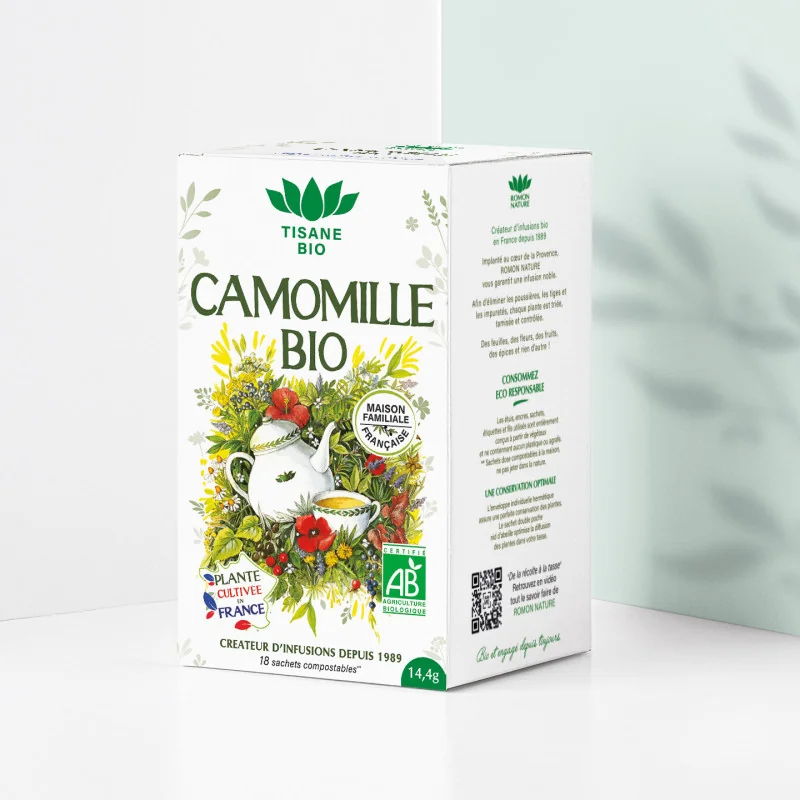
Organic French Chamomile Herbal Tea*
Chamomile at its simplest and finest: flowers grown in France, with a soft, fruity fragrance, in handy tea bags. The essential choice for getting to know the plant.
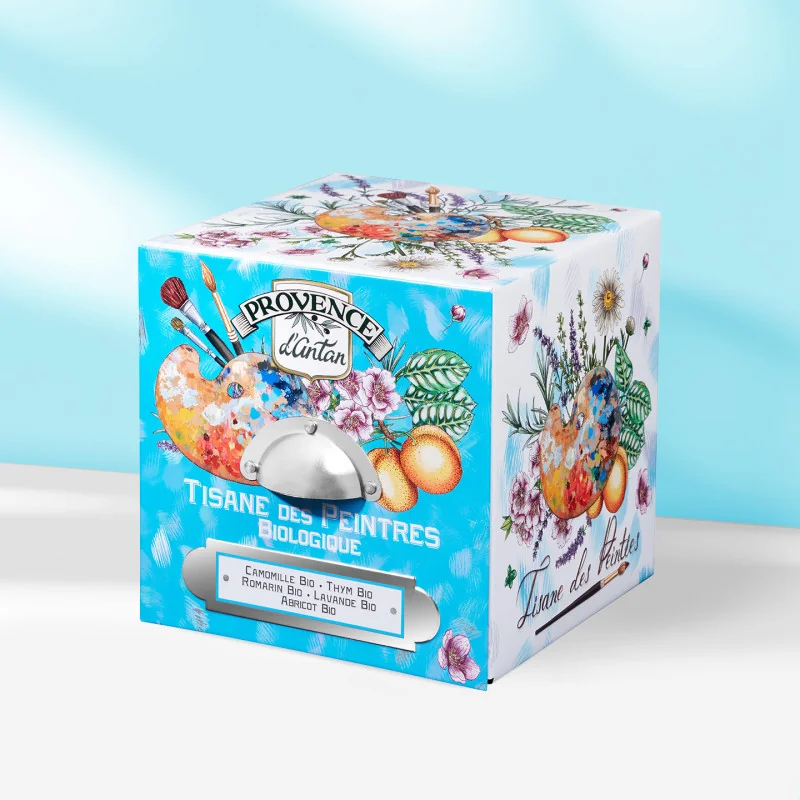
Painters' Organic Herbal Tea*
A blend inspired by the colours and light of Provence, presented in a metal tin of 24 tea bags. A lovely object to keep on the kitchen table or to give as a gift.
€18.90 – See the Painters' Herbal Tea
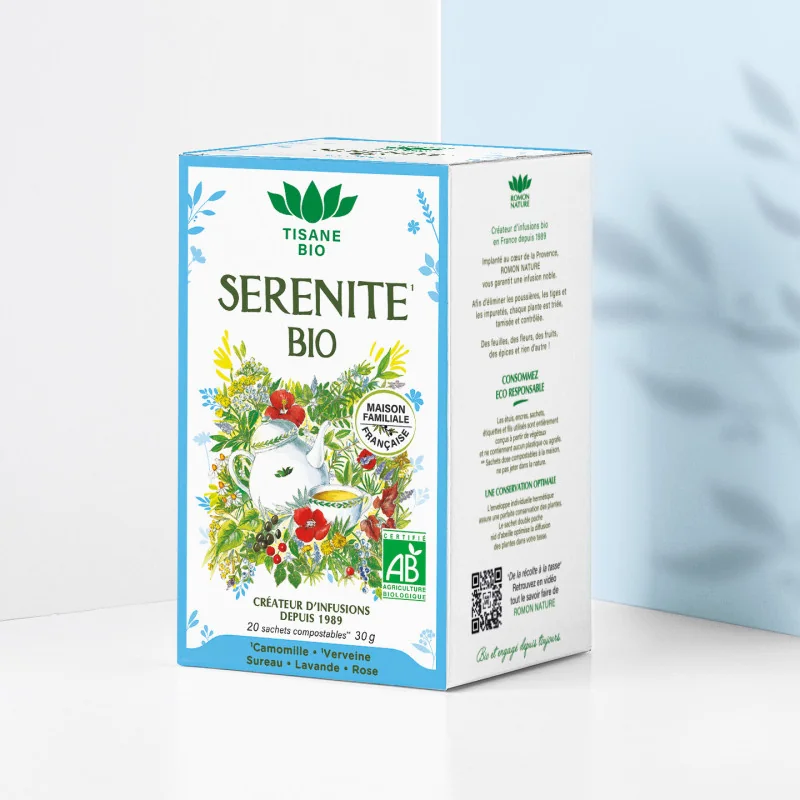
Organic Serenity Herbal Tea*
An infusion with soft floral notes, designed for moments of indulgent relaxation. Enjoy it in the evening or late afternoon, plain or with a little honey.
€4.50 – Discover the Serenity Herbal Tea
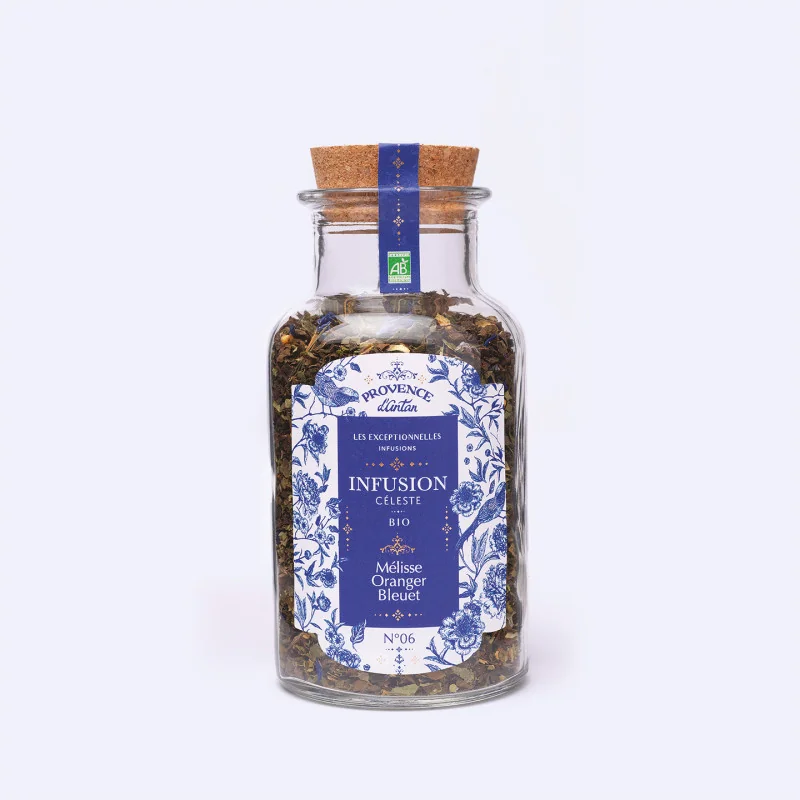
N°6 Céleste Organic Infusion* Lemon Balm, Orange Blossom, Cornflower – 30 g
Lemon balm, orange blossom and cornflower come together in a loose-leaf infusion in a glass jar, at once fresh, floral and delicate. A lovely way to vary the pleasures.
€12.90 – See the Céleste Infusion
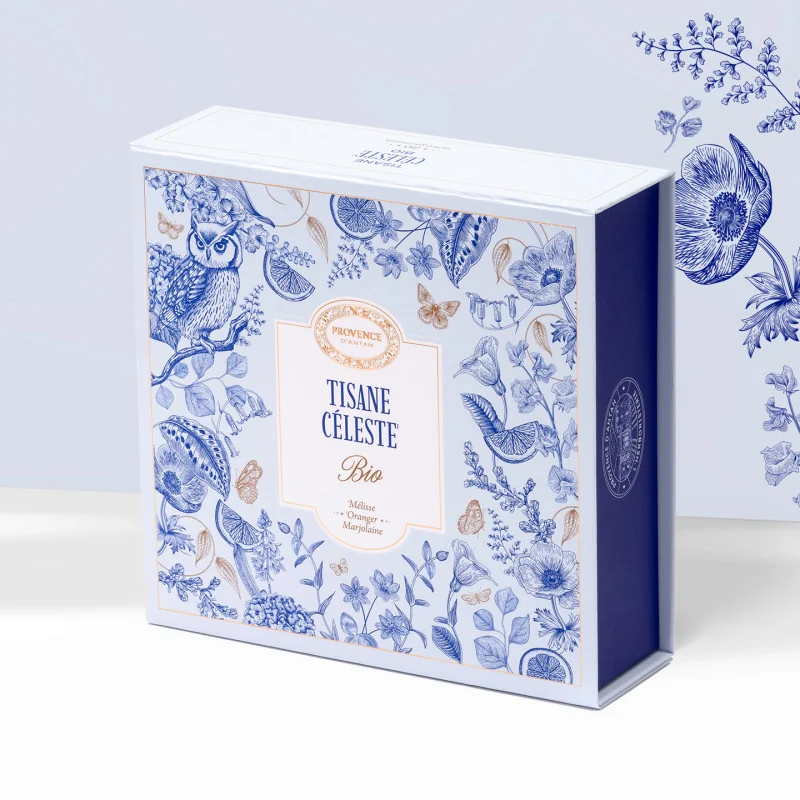
Organic Céleste Infusion* – Magnetic Paperboard Gift Box
The same delicate blend, presented in a magnetic gift box of 20 tea bags. A thoughtful gift, ready to give.
€19.90 – Discover the Céleste gift box
If you like refillable formats, the Pyrenees Organic Herbal Tea* Refill Cube (€8.94) lets you refill a gift box you already own, without adding extra packaging.
Giving chamomile: the Advent calendar idea
With its gentle, nostalgic charm, chamomile has everything it takes to delight during the festive season. It fits naturally among the herbal tea and infusion blends you discover day after day in the weeks leading up to Christmas. A tea and herbal tea Advent calendar offers just such a daily ritual: every morning or evening, a new flavour to savour and a new plant to discover.
To find the format that suits you, take a look at our selection of Advent calendars. You will find ideas to treat yourself or to delight those who love to take time over a cup.
Precautions for use
- Chamomile belongs to the Asteraceae family: people sensitive to plants in this family (daisy, arnica, mugwort, ragweed) should be cautious.
- Pregnant or breastfeeding women, as well as young children, are advised to seek the advice of a healthcare professional before drinking herbal teas regularly.
- People undergoing medical treatment or with a particular health condition should follow their doctor's advice.
- Follow the recommended quantities and steeping times, and do not replace a varied, balanced diet with herbal teas.
If in doubt, ask your doctor or pharmacist for advice.
Frequently asked questions
Which part of chamomile is used for infusions?
The flower heads are used, that is, the small whole flowers, harvested in full bloom and then dried. They carry the characteristic fruity fragrance.
Why is my chamomile bitter?
Steeping too long or using water that is too hot accentuates the flower's natural bitterness. Stick to 5 to 7 minutes and simmering rather than boiling water.
Can you drink chamomile cold?
Yes. Let the infusion cool, then place it in the fridge for a few hours. Served with ice cubes, a slice of lemon or a mint leaf, it makes a very pleasant summer drink.
Can you reuse a tea bag or flowers that have already been infused?
A second infusion will be lighter, with less fragrance. It is still pleasant for an iced drink or for flavouring a fruit salad, but the first infusion is always the most aromatic.
How do I choose between tea bags and loose flowers?
Tea bags are practical and quick, perfect for the office or travelling. Loose flowers let you measure freely, create your own blends and better appreciate the look of the flower. It all depends on the moment and your preference.
How should I store chamomile flowers?
In an airtight container, away from light, heat and moisture. Avoid storing them near strong spices, which could affect their fragrance.
Chamomile calls for neither artifice nor great expertise: just a little attention, properly heated water and a taste for slowing down. We hope this discovery will inspire you to rediscover this modest flower, sometimes in a cup, sometimes in a dessert, and to share it with those around you.
* Products from organic farming.