Fruity infusion: how to choose a sun-filled herbal tea?
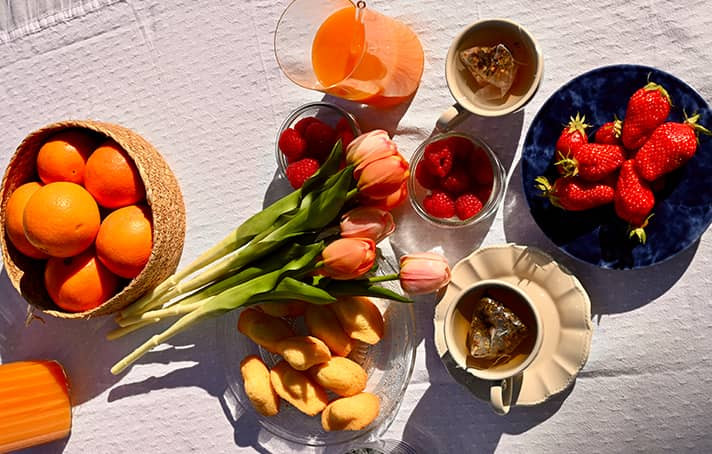
When the days grow longer and light returns to our tables, the desire for freshness becomes more vivid. We look for simple, colourful, natural drinks to enjoy hot in the morning, warm at the end of the day, or iced beneath a parasol. A fruity infusion answers this desire with gentle ease: it evokes baskets of ripe fruit, afternoon treats in the garden, carafes set on a pale tablecloth, and the small rituals we love to rediscover as soon as the sunny days return.
Red berries, peach, citrus fruits, hibiscus, apple, lemon or exotic notes: every blend has its own personality. Some are tangy, others softer, rounder, more indulgent or more floral. Choosing the right fruity infusion means choosing a mood, a moment, a sensation.
At Provence d’Antan, our infusions, elaborated in France, invite you to rediscover the taste of simple pleasures: a cup, a carafe, a few minutes of infusion, and an entire landscape begins to unfold.
Why choose a fruity infusion?
A fruity infusion appeals because it speaks directly to the senses. It often reveals a beautiful hue, a generous fragrance, a luminous colour — sometimes deep red, golden or delicately pink. It tempts the eye before the very first sip.
It also makes it easy to vary little moments of pleasure throughout the day. Unlike tea, some fruity infusions contain no theine when they are made only from fruits, flowers and plants. They can therefore be enjoyed more freely, according to each person’s tastes and habits.
In summer, they are especially appealing because they can be prepared both hot and iced. A cooled fruity infusion, served with a few ice cubes and fresh fruit, becomes an elegant alternative to traditional sugary drinks. It accompanies lunch in the garden, children’s teatime, a break at the office or an alcohol-free aperitif.
The benefits of a fruity pause, in all simplicity
A fruity infusion should not be presented as a health solution. It is not intended to promise any specific effect. However, it can become part of a gentler daily ritual: taking the time to drink, varying one’s beverages, reducing soft drinks, creating a pleasant pause and rediscovering the pleasure of plants and fruits.
That is where its true appeal lies: in the habit, in the gesture, in the attention we give ourselves. Preparing an infusion, waiting for it to unfold, choosing a cup or a carafe, sipping it slowly — all of this contributes to a more mindful way of moving through the day.
Certain plants and fruits are traditionally associated with specific moments. Hibiscus, for example, is appreciated for its intense colour and tangy note. Citrus fruits evoke freshness and liveliness. Peach brings a rounder, sun-filled sensation. Red berries recall summer desserts and homemade jams. These associations belong above all to taste, tradition and the pleasure of tasting.

How to choose a fruity infusion according to your tastes?
Not all fruity infusions are alike. To choose well, the simplest way is to start with the flavour you are naturally craving.
For a fresh and tangy infusion
If you enjoy bright, light drinks with a refreshing sensation on the palate, turn to blends with citrus fruits, lemon, orange, grapefruit or hibiscus. These notes bring sparkle and are especially well suited to cold preparations.
They are perfect for warm days, afternoon pauses or carafes to share.
For a soft and indulgent infusion
Infusions with peach, apple, yellow fruits or red berries offer a rounder sensation. They evoke compotes, homemade tarts, ripe fruit and sunlit afternoon treats.
They are lovely options for those who enjoy generous cups, less tangy, with a naturally enveloping impression.
For a floral and elegant infusion
Some fruity infusions combine fruits and flowers: hibiscus, rose, lavender, elderflower or delicate blossoms, depending on the blend. The result is often more refined, more subtle, with an almost fragrant dimension to the tasting experience.
This type of infusion is particularly suited to a quiet moment, a summer table or a delicate gift.
For a more exotic infusion
Mango, pineapple, coconut, passion fruit or tropical fruits bring a feeling of escape. These blends evoke holidays, iced drinks and luminous late afternoons.
They are especially pleasant as cold infusions, served in a large carafe with ice cubes and a few pieces of fresh fruit.
Fruity infusion, hot or iced: how to prepare it?
One of the great advantages of fruity infusions is their versatility. They can be enjoyed all year round, but they take on a special dimension when served cold.
Preparing a hot fruity infusion
For a hot cup, you generally simply pour simmering water over the blend, then leave it to infuse for the recommended time. Depending on the composition, infusion time may range from 5 to 10 minutes. Fruits and plants need time to release their full expression.
A hot tasting is especially pleasant in the morning, after a meal or during a gentle pause.

Preparing an iced fruity infusion
For an iced version, the quickest method is to first prepare a concentrated hot infusion, then cool it down immediately. This allows the fruits, plants and flowers to fully express themselves before being served as a refreshing drink.
Start by infusing your fruity herbal tea in a small amount of hot water: around 100 ml of water for one tea bag or one heaped teaspoon of loose infusion. For a herbal tea or fruit infusion, use very hot water, around 95 to 100°C, and leave to infuse for 6 to 8 minutes, depending on the intensity you prefer.
Once the infusion is ready, pour it directly into a large glass or carafe filled with ice cubes, then top up with very cold water. The contrast in temperature cools the drink almost instantly, while preserving a beautiful intensity of taste.
For an even more summery version, add a few slices of lemon, orange segments, pieces of peach, red berries or a few mint leaves. The fruity infusion then becomes a fresh, colourful alcohol-free drink, perfect for an afternoon treat in the garden, a summer carafe or an alcohol-free aperitif.
For a more festive texture, you can also use the “shaker” method: prepare the concentrated infusion, pour it into a shaker or airtight jar with a generous handful of ice cubes, then shake for around twenty seconds. You will obtain a chilled, fresh, slightly frothy drink, ideal for giving a simple fruity herbal tea the spirit of a summer cocktail.
Which fruity infusion should you choose depending on the moment?
The right choice also depends on when you wish to enjoy it.
In the morning
In the morning, a fruity infusion with citrus fruits or yellow fruits brings a bright, luminous sensation. It pairs beautifully with a simple breakfast, a slice of toast, yoghurt, fresh fruit or brioche.
In the afternoon
In the afternoon, infusions with red berries, peach or hibiscus are ideal for creating an indulgent pause without heaviness. They can be enjoyed hot in winter or iced in spring and summer.
After a meal
After lunch or dinner, a light fruity infusion can gently extend the moment. Blends combining fruits and plants offer an appealing alternative to overly sweet desserts, without replacing the pleasure of a real treat when the craving is there.
For an alcohol-free aperitif
Served in a pretty carafe, with fresh fruit and ice cubes, a fruity infusion becomes an elegant table drink. It can accompany an alcohol-free aperitif, a brunch, a family celebration or a summer lunch.

The main families of fruity infusions
Red berry infusions
Strawberry, raspberry, blackcurrant, cherry, redcurrant or blackberry immediately evoke summer desserts. These infusions are often generous, colourful and slightly tangy. They are especially appealing when served iced.
Citrus infusions
Lemon, orange, grapefruit or mandarin bring liveliness. These notes are much appreciated when looking for a fresh, clear and light drink.
Peach and yellow fruit infusions
Peach, apricot, apple or pear create rounder, softer and more sun-filled infusions. They are particularly well suited to those who enjoy fruity drinks with very little tanginess.
Hibiscus infusions
Hibiscus is often recognisable by its intense red colour and tangy note. It gives character to fruity blends and lends itself beautifully to iced infusions.
Fruity and spiced infusions
Some compositions combine fruits with cinnamon, ginger or other gentle spices. They create a warmer cup, ideal when you want to extend the fruity spirit into a more enveloping version.
How to compose a beautiful carafe of fruity infusion?
For a successful summer carafe, choose a fairly expressive fruity infusion, then prepare it slightly more concentrated than you would for a classic cup. Once cooled, add ice cubes and a few fresh elements.
A few simple ideas:
red berry infusion with fresh strawberries and mint leaves;
peach infusion with peach segments and lemon slices;
hibiscus infusion with orange and red berries;
citrus infusion with lemon, orange and basil;
exotic infusion with fresh pineapple and mint.
The carafe can be kept chilled for a few hours. It is ideal for entertaining, replacing a sugary drink at the table or creating a more natural summer ritual.
Precautions and mindful consumption
Fruity infusions are often associated with moments of pleasure and conviviality. As with any plant-based drink, it is still preferable to enjoy them as part of a varied and balanced diet.
Some compositions may contain specific plants, spices or more distinctive ingredients. In the case of pregnancy, breastfeeding, medical treatment, a known health condition, allergy or for young children, it is recommended to check the composition and seek advice from a healthcare professional in case of doubt.
For daily consumption, the ideal approach is to vary infusions, plants and pleasures, while following the indicated preparation advice.
How to recognise a good fruity infusion?
A good fruity infusion should offer a balance between intensity, clarity and pleasure. The fruits should be recognisable, without feeling too heavy or overly sweet. The plants or flowers combined with them should add depth without masking the whole.
The choice also depends on the quality of the composition, the care taken in selecting the ingredients, the format, the ease of infusion and the overall experience.
At Provence d’Antan, our infusions, elaborated in France, are designed as little sensory journeys. They accompany the seasons, cravings for freshness, indulgent pauses and shared moments, with careful attention given to naturalness, balance and the simple pleasure of tasting.



FAQ Fruity infusion
What is the best fruity infusion for summer?
An infusion with citrus fruits, hibiscus, red berries or peach is very well suited to summer. These notes are easy to enjoy iced, with a few fresh fruits and ice cubes.
Can you drink a fruity infusion cold?
Yes, a fruity infusion can be enjoyed cold. It can be prepared hot and then cooled, or infused directly in cold water for several hours. The iced version is ideal for sunny days.
Which fruity infusion should you choose for an alcohol-free drink?
For a convivial alcohol-free drink, choose an expressive infusion with red berries, citrus fruits, hibiscus or exotic fruits. Served in a carafe with ice cubes, it pairs beautifully with an aperitif or a summer lunch.
Does a fruity infusion contain sugar?
It all depends on the composition. Some fruity infusions contain no added sugar, but they can offer a naturally sweet impression thanks to the fruits. It is always useful to check the list of ingredients.
What is the difference between fruity tea and fruity infusion?
A fruity tea contains a tea base, such as green tea or black tea, and may therefore contain theine. A fruity infusion, when composed only of fruits, plants and flowers, is different and can be enjoyed at other moments of the day.
Can you drink a fruity infusion every day?
A fruity infusion can be part of a varied daily routine. However, it is recommended to alternate blends, check the ingredients and seek advice from a healthcare professional in the case of pregnancy, breastfeeding, medical treatment or doubt.