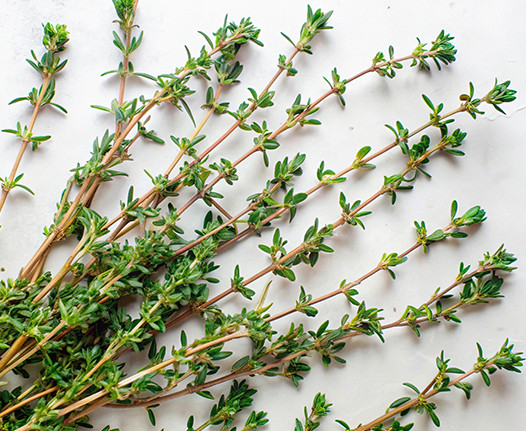
Lemon Balm in Infusion: benefits, taste and botanical pairings
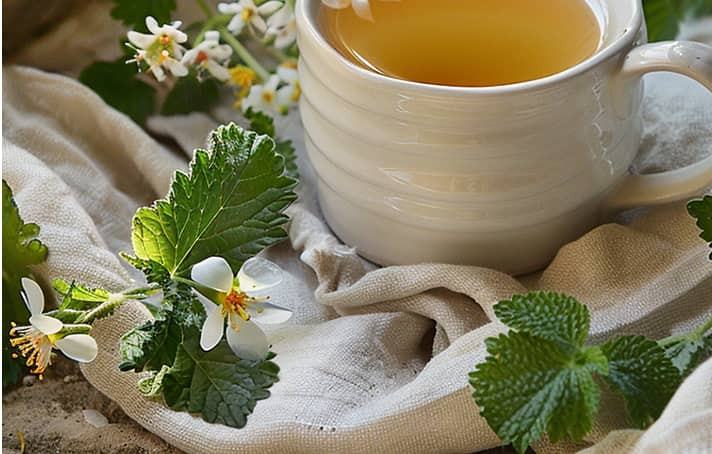
Lemon balm, or Melissa officinalis, is an aromatic plant appreciated in infusion for its soft, botanical and lightly lemony taste. In herbal tea, it is associated with digestive comfort, the normal functioning of the intestinal tract, relaxation, calm rest and healthy sleep. Theine-free, it can be enjoyed after a meal or in the evening, on its own or combined with verbena, linden, chamomile, lavender, mint or lemon.
Introduction
Discreet, fresh and delicately lemony, lemon balm is one of those plants we rediscover with pleasure when looking for a soft, botanical infusion that is easy to enjoy. In an evening cup, after a meal or during a moment of return to calm, it brings a soothing presence without heaviness, with that very natural lemony note that distinguishes it from more floral or more herbaceous plants.
Known by its Latin name Melissa officinalis, lemon balm is an aromatic plant traditionally used in infusion. It sits at the crossroads of several strong intentions: digestion, intestinal comfort, relaxation and evening rituals. This is precisely what makes it an interesting SEO topic for Provence d’Antan: a simple, well-known and frequently searched plant, yet still rich to tell.
In this article, let us discover the history of lemon balm, its taste profile, its traditionally recognised benefits, its botanical pairings and the best ways to savour it in infusion.
- What is lemon balm?
- A short history of lemon balm in herbalism
- What does lemon balm taste like in infusion?
- What are the benefits of lemon balm?
- Lemon balm and digestion: an after-meal plant
- Lemon balm and sleep: a theine-free evening ritual
- How to prepare a lemon balm infusion
- Which plants can lemon balm be paired with?
- Tasting ideas around lemon balm
- Which Provence d’Antan products should you discover?
- Precautions to know
- Key points
- FAQ
What is lemon balm?
Lemon balm is an aromatic plant from the Lamiaceae family, like mint, thyme, rosemary, lavender or sage. Its Latin name, Melissa officinalis, evokes a long history of traditional uses around garden plants and herbalism.
Its green, slightly crinkled leaves release a very pleasant lemony scent when rubbed between the fingers. This freshness is what gives it all its charm in infusion: lemon balm has a botanical softness, less lively than mint, less floral than chamomile, less sunny than verbena, yet very balanced.
In herbal tea, lemon balm leaf is mainly used. It can be enjoyed on its own or included in evening blends, digestive infusions, relaxing mixtures or theine-free botanical recipes.
A short history of lemon balm in herbalism
Lemon balm has accompanied traditional European uses for centuries. It was cultivated in “simples” gardens, those monastic gardens where plants useful for cooking, infusions and traditional preparations were gathered.
Its lemony fragrance made it a precious plant, both pleasant in taste and easy to combine. Lemon balm has long been appreciated after meals, but also during moments of tension or nervous fatigue, as part of a botanical ritual.
Its name, Melissa, comes from Greek and means “bee”. The plant is known to be melliferous: its small flowers attract bees, which reinforces its soft, lively and garden-like imagination. In infusion, this story almost appears in the cup: a simple, luminous plant, linked to calm, greenery and the end of the day.
What does lemon balm taste like in infusion?
Lemon balm has a soft, lemony and lightly herbaceous taste. It evokes lemon, but without marked acidity. Its freshness is rounder than mint, softer than verbena, more botanical than fruity.
On the palate, lemon balm infusion is generally smooth, pleasant and easy to drink. It suits people looking for an evening herbal tea without an overly powerful taste. It can also appeal to those who want a digestive infusion softer than peppermint or fennel.
Its aromatic profile allows it to be paired with many plants:
With verbena, it reinforces lemony freshness.
With linden, it becomes rounder and more enveloping.
With chamomile, it gains floral softness.
With lavender, it takes on a more Provençal signature.
With fennel, it accompanies the after-meal moment more strongly.
With sweet mint, it becomes fresher.
With lemon or peach, it turns into a summer drink.

What are the benefits of lemon balm?
Lemon balm is particularly interesting because it connects two major SEO search territories: digestive infusions and evening herbal teas.
According to the claims table, lemon balm leaf is associated with several useful content formulations: it helps support digestion, contributes to the normal function of the intestinal tract, contributes to digestive comfort, supports digestion and supports normal digestive function.
It is also associated with relaxation, calm rest, healthy sleep and falling asleep. The usable formulations around sleep indicate in particular that lemon balm supports calm, helps with falling asleep and contributes to healthy sleep.
However, it is important to remain precise: a lemon balm herbal tea should not be presented as a medical solution. It accompanies a ritual, a routine, the end of a meal or a transition towards the evening. It fits into an overall balanced lifestyle, without replacing medical advice in case of a persistent disorder.
Lemon balm and digestion: an after-meal plant
Lemon balm is often appreciated after a meal, especially when looking for a soft, theine-free infusion with a lemony taste. It is associated with digestive comfort and the normal functioning of the intestinal tract.
This dimension is particularly interesting for Provence d’Antan content, as searches around digestion are among the strong themes in SEO audits: “herbal tea for digestion”, “which herbal tea for digestion”, “infusion for digestion”, “organic digestive herbal tea” or “digestion herbal tea”.
In an after-meal ritual, lemon balm can be enjoyed on its own or combined with:
Fennel, for a soft and aniseed cup.
Mint, for more pronounced freshness.
Verbena, for a lemony end to a meal.
Chamomile, for a rounder cup.
Lemon, for a livelier note.
It can be served hot after dinner, or warm in summer, when looking for a light theine-free drink.
Lemon balm and sleep: a theine-free evening ritual
Lemon balm is also a highly relevant plant for evening rituals. It is associated with calm, falling asleep, optimal relaxation, calm rest and healthy sleep.
It is therefore very suitable for articles targeting searches such as “herbal tea for sleep”, “sleep herbal tea”, “evening infusion”, “relaxing herbal tea” or “anti-stress infusion”. These keywords are strategic because they connect a strong intention with a clearly identified product category.
The right approach is to speak of ritual, not promise. A cup of lemon balm can accompany the transition between day and evening: dinner finished, softer light, screens set aside, a few minutes of calm, a hot infusion and a repeated gesture.
This ritual can help create an end-of-day signal. It does not replace medical care in case of chronic insomnia, significant anxiety or persistent sleep disorders.
How to prepare a lemon balm infusion
To prepare a lemon balm infusion, pour very hot water over the leaves or sachet, then leave to infuse according to the product instructions, generally around 6 to 8 minutes for a plant-based herbal tea.
For a soft evening cup:
Heat the water without letting it boil for too long.
Pour over the lemon balm.
Cover the cup during infusion to preserve the botanical notes.
Leave to infuse for the recommended time.
Enjoy plain, or with a touch of honey if you prefer rounder infusions.
According to the claims table, the uses of lemon balm in infusion can fit within dried leaf dosages indicated according to reference frameworks. For daily use, it remains essential to follow the preparation advice for the product consumed and to take precautions for use into account.
Which plants can lemon balm be paired with?
Lemon balm and verbena
This is the most natural pairing for a lemony, fresh and soft infusion. Verbena brings a sunny note, while lemon balm softens the whole. This duo works very well after a meal or in the evening.
Lemon balm and linden
Linden brings botanical and enveloping roundness. Combined with lemon balm, it creates a calm cup, ideal for evening rituals, cocooning moments and theine-free infusions.
Lemon balm and chamomile
Chamomile adds a floral and honeyed dimension. With lemon balm, it creates a very soft infusion, perfect with a biscuit, compote or light dessert.
Lemon balm and lavender
Lavender brings a Provençal, floral and delicate signature. It should remain well balanced so as not to dominate. With lemon balm, it evokes summer evenings, gardens of the South and evening rituals.
Lemon balm and fennel
Fennel brings an aniseed note, very coherent for after-meal infusions. Lemon balm rounds out its profile and brings lemony freshness.
Lemon balm and sweet mint
Mint reinforces the sensation of freshness. This pairing works well during the day, after lunch or served warm during fine weather.
Lemon balm and lemon
Lemon extends the naturally lemony note of lemon balm. In summer, this pairing can be prepared cold, in a carafe, with a few ice cubes.

Tasting ideas around lemon balm
After a meal
Serve a lemon balm infusion hot or warm, on its own or with fennel, verbena or sweet mint. It is a simple ritual to prolong the meal without coffee or theine.
For a cocooning evening
Combine lemon balm with linden, chamomile or lavender. Serve it with a square of white chocolate, apple compote, a few shortbread biscuits or a cooked pear.
As a cold summer infusion
Prepare a concentrated infusion, leave it to cool, then pour it over ice cubes with lemon, peach or a few mint leaves. Lemon balm then becomes a soft and refreshing botanical drink.
Paired with dessert
Lemon balm works very well with yellow fruits, citrus fruits, apple, pear, honey, almond or lightly sweetened biscuits. It brings a discreet freshness that keeps the end of the meal from feeling too heavy.

Which Provence d’Antan products should you discover?



Precautions to know
Lemon balm is a gentle-tasting plant, but it should be consumed with discernment, like any plant used in infusion.
According to the recommendations indicated in the claims table, lemon balm is not recommended for children under 12, pregnant women or breastfeeding women.
In case of medical treatment, a known condition, persistent digestive disorders, long-lasting sleep disorders, allergy or doubt, it is recommended to seek advice from a healthcare professional before regular consumption.
A lemon balm infusion does not replace a balanced diet, a suitable lifestyle, medical advice or treatment when necessary.
Key points
Lemon balm, or Melissa officinalis, is an aromatic plant with a soft, botanical and lightly lemony note.
In infusion, it is often enjoyed after a meal or in the evening.
It is associated with digestive comfort, the normal function of the intestinal tract and support for digestion.
It is also associated with relaxation, calm rest, falling asleep and healthy sleep.
It pairs very well with verbena, linden, chamomile, lavender, fennel, sweet mint, lemon and yellow fruits.
Theine-free, it naturally fits into evening rituals and after-meal pauses.
Like any plant, it should be consumed with discernment, while respecting the precautions for use.
SEO FAQ
What are the benefits of lemon balm in infusion?
Lemon balm is associated with digestive comfort, the normal functioning of the intestinal tract, relaxation, calm rest and healthy sleep. In infusion, it can accompany the after-meal moment or evening rituals, without replacing medical advice.
Does lemon balm help you sleep better?
Lemon balm supports calm, helps with falling asleep and contributes to healthy sleep according to usable formulations. It is preferable to present it as a plant for evening rituals, rather than as a medical solution for sleep disorders.
Is lemon balm good for digestion?
Lemon balm helps support digestion, contributes to digestive comfort and to the normal functioning of the intestinal tract. It can therefore accompany an after-meal infusion, as part of a varied and balanced diet.
What does lemon balm herbal tea taste like?
Lemon balm herbal tea has a soft, botanical and lightly lemony taste. It is less lively than mint, less floral than chamomile and softer than verbena.
When should you drink lemon balm infusion?
Lemon balm infusion can be enjoyed after a meal, in the late afternoon or in the evening. Theine-free, it is well suited to end-of-day rituals, depending on the product composition and precautions for use.
Which plants can lemon balm be paired with?
Lemon balm pairs very well with verbena, linden, chamomile, lavender, fennel, sweet mint, lemon, peach or yellow fruits.
Does lemon balm contain theine?
No, lemon balm on its own does not contain theine. However, it is important to check the composition of the blend: if the recipe contains green tea, black tea, white tea or maté, it may contain theine.
Can you drink lemon balm every day?
Lemon balm can be included in an infusion routine, but it is preferable to follow the consumption advice indicated on the product and to alternate plants. It is not recommended for children under 12, pregnant women or breastfeeding women.
What is the difference between lemon balm and verbena?
Lemon balm has a soft, botanical and lightly lemony note. Verbena is often fresher, more lemony and more sunny. The two plants complement each other very well in an evening infusion or a theine-free herbal tea.
What is the difference between lemon balm and mint?
Lemon balm belongs to the same botanical family as mint, but its taste is softer and more lemony. Mint brings a more pronounced freshness, while lemon balm offers a rounder and calmer cup.