Lemon Verbena: Benefits, Herbal Infusion and Evening Tips
Lemon verbena is one of those plants that we almost instinctively associate with the end of the day. A pale infusion, a delicate citrus note, a gentle swirl of steam, the house gradually slowing down: it evokes calm without imposing it, freshness without excess, and the simplicity of a ritual repeated over time.
Much loved as a herbal infusion, lemon verbena holds a special place in evening rituals and traditional family herbal practices. It is often sought after for its benefits, its traditional uses, its delicate taste, and its ability to accompany a quiet moment after a meal or before bedtime.
At Provence d’Antan, we appreciate lemon verbena for the story it tells: a sun-loving, luminous plant, gentle yet distinctive, which naturally belongs in the world of herbal infusions carefully crafted in France. Here is how to choose it, prepare it, pair it, and enjoy it with care.
Lemon Verbena at a Glance
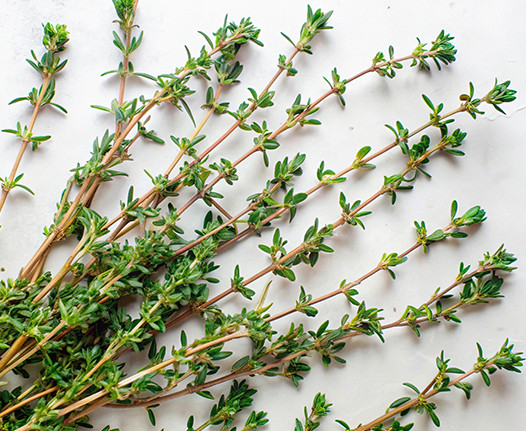
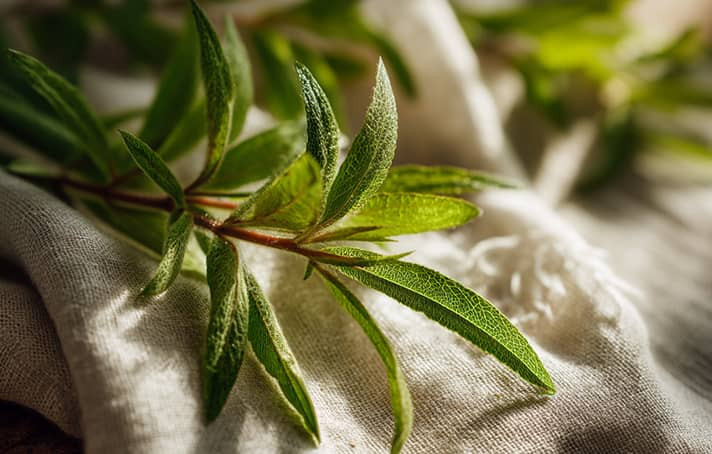
Lemon verbena is known for its long, slender leaves, its vibrant botanical character, and its naturally citrusy note when referring to fragrant lemon verbena, also known simply as lemon verbena. It should not be confused with every plant bearing the name “verbena”, as several species exist and they do not all share exactly the same uses.
As an infusion, lemon verbena is particularly appreciated for its fresh, smooth, gently citrusy taste, making it especially pleasant after a meal or at the end of the day. It appeals to lovers of light herbal teas, to those looking for a naturally caffeine-free hot drink, and to anyone who enjoys simple, familiar plants that are easy to incorporate into a daily routine.
In the Provençal imagination, it evokes gardens, bright late afternoons, leaves gently rubbed between the fingers, cups served after dinner, and peaceful rituals rediscovered with each passing season.

What Are the Benefits of Lemon Verbena?
Lemon verbena is often valued for its benefits, particularly in relation to evening routines, relaxation, and digestion.
In traditional practices, lemon verbena infusion is frequently associated with moments of calm. It naturally accompanies the end of the day, a quiet pause after a meal, or any moment when a gentle, warm, caffeine-free drink feels especially welcome.
Its appeal also lies in its flavour profile. Its fresh, citrusy note creates a pleasant sense of lightness, making it particularly enjoyable after a meal. It can be enjoyed on its own or combined with other plants such as lemon balm, linden blossom, sweet mint, or orange blossom, depending on the blend.
Lemon Verbena and Sleep: Why Is It Associated with the Evening?
Lemon verbena is traditionally associated with evening rituals. It is often enjoyed at the end of the day, after dinner, or before bedtime because, when infused on its own, it is naturally caffeine-free. It therefore offers a gentle alternative to stimulating drinks and is particularly well suited to quieter moments.
The ritual itself matters just as much as the plant: heating the water, choosing a favourite cup, allowing the leaves to infuse, waiting a few minutes, and drinking slowly. These simple gestures can help create a smooth transition from daytime activity to the evening.
Lemon verbena naturally accompanies evening rituals and moments of calm.
Lemon Verbena and Digestion: A Plant Enjoyed After Meals
Lemon verbena is also commonly associated with the end of a meal. Its fresh, light, citrusy taste makes it a pleasant infusion after lunch or dinner, especially when one wishes to end the meal with a warm, botanical drink rather than coffee.
In traditional uses, it is one of the plants often found in after-dinner herbal infusions, sometimes combined with mint, fennel, lemon balm, or linden blossom. These pairings create a cup that can be rounder, fresher, or softer, depending on the desired experience.
What Does Lemon Verbena Infusion Taste Like?
Lemon verbena infusion is characterised by a pale, fresh, botanical cup. Its citrusy note is one of its most recognisable signatures. It is not sharp like freshly squeezed lemon, but rather soft, herbaceous, and luminous, with a very pleasant sense of freshness.
It is a plant that often appeals to those who do not enjoy herbal infusions that are overly bitter or intense. It has a natural sense of simplicity: clear, familiar, and easy to appreciate, while remaining delicately expressive.jamais fade lorsqu’elle est bien préparée.

How to Prepare a Lemon Verbena Infusion
Preparing a lemon verbena infusion is simple, but a few careful steps will help create a more balanced cup.
For a 200 ml cup, use approximately one tea bag, or follow the recommended quantity indicated on the sachet or packaging.
Heat the water until it is just below boiling, at around 90 to 95°C. Pour the water over the plant, cover the cup, and leave to infuse for 5 to 8 minutes, depending on the desired intensity.
A shorter infusion will produce a lighter cup. A longer infusion will bring out more of the plant’s character, but may also enhance some of its more botanical notes. It is therefore best to adjust the infusion time according to personal taste.
Lemon verbena can be enjoyed on its own. It may also be served with a touch of honey, a strip of lemon zest, or another gentle plant.
Can Lemon Verbena Infusion Be Enjoyed Cold?
Yes, lemon verbena can also be enjoyed cold. It is particularly refreshing in spring and summer, when you are looking for a natural, light, alcohol-free drink.
For a quick iced version, prepare a concentrated infusion using a small amount of hot water. Leave it to infuse, then pour it directly over ice cubes before topping up with very cold water.
For a gentler version, leave the lemon verbena to infuse in cold water for several hours in a carafe placed in the refrigerator. This method creates a more subtle drink, delicious with a few slices of lemon, fresh mint leaves, or pieces of peach.
Cold lemon verbena infusion is ideal for a garden afternoon tea, a summer lunch, or an alcohol-free aperitif. Even when served in a carafe, it retains the simple elegance that makes it so appealing.

When Should You Drink Lemon Verbena Infusion?
Lemon verbena can be enjoyed at different times of the day, depending on your habits and preferences.
In the evening, it naturally accompanies end-of-day rituals. It helps create a gentle transition between the pace of the day and the quieter rhythm of the evening.
After a meal, it offers a fresh, light cup, often appreciated for extending the pleasure of the table without feeling heavy.
In the afternoon, it can replace a sweeter drink or a tea containing caffeine, depending on the chosen blend.
In summer, it can be prepared as an iced infusion for a simple, bright, botanical drink.
The most important thing is to enjoy it without turning it into an excessive habit. Like all plants, lemon verbena is best consumed in moderation.
Lemon Verbena, Lemon Balm and Linden Blossom: What Are the Differences?
These three plants are often associated with evening herbal infusions, but each has its own distinctive character.
Lemon verbena is fresh, citrusy, and luminous. It evokes the garden, the end of the day, and a light cup enjoyed after a meal.
Lemon balm is softer and more delicate, with a citrusy note that is often rounder and gentler. It is commonly found in evening infusions and refined botanical blends.
Linden blossom has a more floral, enveloping character. It recalls traditional family infusions, childhood memories, and slow, peaceful moments.
All three can be combined in the same infusion to create a soft, botanical cup perfectly suited to quiet moments.
Lemon Verbena, a Sun-Loving Plant for the End of the Day
What makes lemon verbena so appealing is its gentle paradox: it is both sunny and calming. It carries the brightness of the garden, yet it is often enjoyed as daylight begins to fade. It has the freshness of warmer days, while also accompanying winter evenings. It is simple, yet naturally elegant.
In a cup, lemon verbena expresses a certain art of living: natural gestures, familiar plants, meals that linger, and evenings in which we take back a little time for ourselves.
At Provence d’Antan, this plant perfectly reflects our vision of a modern herbal tradition: bringing together time-honoured uses, creative blends, and the pleasure of an infusion elaborated in France.
Precautions and Contraindications for Lemon Verbena
Even when a plant feels familiar, it should always be consumed with care. Lemon verbena infusion can be enjoyed as part of a varied and balanced diet, but it should not be considered the sole response to a persistent health concern.
During pregnancy or breastfeeding, or in the event of medical treatment, a known health condition, an allergy, or any uncertainty, it is advisable to seek guidance from a healthcare professional before consuming it regularly.
Particular care should also be taken with young children and sensitive individuals.
It is recommended to vary the plants consumed, follow the indicated quantities, and avoid excessive or prolonged consumption without appropriate professional advice.