Sleep: evening rituals, botanical infusions and tips for peaceful nights

Sleep: how to create a natural evening ritual and rediscover peaceful nights
Sleep is one of the great balances of our daily lives. Yet today it is often disrupted by modern lifestyles. Stress, screens, irregular schedules… many people feel they do not sleep well or wake up feeling tired.
Rediscovering peaceful sleep does not necessarily require complex solutions. Often, it begins with the way we end our day.
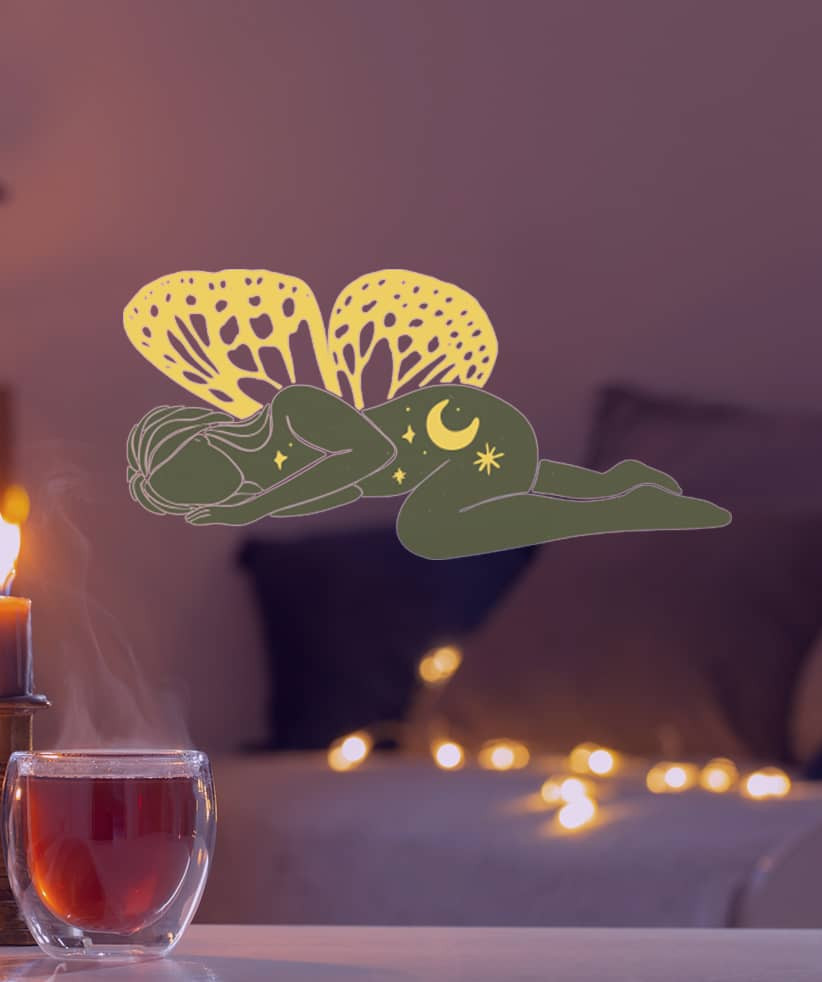
In European and Provençal traditions, evenings were often accompanied by simple gestures: soft lighting, a quiet moment, and a cup of herbal infusion. These evening rituals helped gently guide the transition into the night.
Even today, these practices feel more relevant than ever.

Sleep: a major concern for people in France
Recent studies show that sleep quality has been gradually declining.
According to a recent survey reported by several media outlets, people in France sleep on average 6 hours and 50 minutes per night during the week, well below the recommendations of many specialists.
This reduction in sleep time is accompanied by an increase in nighttime disturbances:
- frequent awakenings during the night
- difficulty falling asleep
- feeling tired upon waking
- lighter, less restorative sleep
Several factors help explain this evolution:
- exposure to screens late in the evening
- professional and mental stress
- irregular or shifting schedules
- urban noise and environmental disturbances
- difficulty slowing down at the end of the day
Faced with these observations, many people today are looking for natural ways to improve their sleep.
Why an evening ritual is essential for better sleep
Our body functions according to a biological clock known as the circadian rhythm.
This internal clock regulates several essential functions:
- body temperature
- wakefulness and fatigue
- the day–night cycle
- the body’s preparation for sleep
As evening light fades, the brain gradually begins to prepare for the night.
However, certain modern habits can disrupt this natural mechanism:
- blue light from screens
- stimulating activities late in the evening
- meals eaten too late
- mental stress
An evening ritual acts as a clear signal sent to the body: the day is coming to an end.
It allows the brain to gradually enter a state of relaxation.
How to create an effective evening ritual
Establishing an evening ritual does not require changing your entire routine. A few simple gestures are often enough.
1. Gradually reduce the light
Light directly influences our biological clock.
In the evening, it is best to choose:
- soft lighting
- dimmed lamps
- a calm and gentle atmosphere
This shift in ambiance naturally prepares the body for the night.
2. Reduce screen use
Phones, tablets, and computers emit blue light that stimulates alertness.
Limiting their use one hour before bedtime can often make it easier to fall asleep.
3. Create a moment of calm
An evening ritual can take many forms:
- reading a few pages of a book
- listening to soft music
- writing a few lines in a notebook
- preparing a herbal infusion
These simple gestures help slow the pace of the day.
4. Prepare a herbal infusion
For centuries, plants have accompanied evening moments in many cultures.
The simple act of preparing an infusion already creates a pause in the day.
The warmth of the water, the delicate fragrances of the plants, and the quiet moment of tasting all contribute to creating a more serene atmosphere.

Plants traditionally associated with the evening
Traditional herbal practices have long given a special place to plants enjoyed at the end of the day.
Several botanicals have been appreciated for generations to accompany the transition into the evening.
Verbena
Known for its fresh, lemony fragrance, verbena is one of the most popular herbal infusions after dinner.
Linden blossom
Linden has been associated for generations with family evenings and quiet moments of relaxation.
Lemon balm
Valued for its delicate scent, lemon balm is a traditional plant often used in evening herbal infusions.
Lavender
A symbol of Provence, lavender is renowned for its floral and soothing fragrance.
Chamomile
Chamomile is perhaps the most emblematic flower of evening infusions. Recognizable by its small white petals surrounding a golden heart, it has been used since Antiquity in European traditions.
A closer look at chamomile: the emblematic flower of the evening
Among all the plants associated with evening moments, chamomile holds a special place.
Used since Antiquity, this small white flower with its golden heart appears in many European traditions.
It is particularly appreciated for:
- its gentle aromatic profile
- its delicate floral fragrance
- its slightly honeyed taste
A cup of chamomile infusion is often enjoyed after dinner or just before bedtime.
Over time, this simple gesture has become a true symbol of peaceful evenings.
How to avoid nighttime awakenings
Waking up during the night is a common experience.
Several habits can help improve the continuity of sleep.
Avoid heavy evening meals
A dinner that is too rich can disturb digestion and interfere with sleep.
A lighter meal is generally preferable in the evening.
Maintain a comfortable bedroom temperature
A room that is too warm may lead to nighttime awakenings.
The ideal temperature for sleeping is often around 18 to 19°C.
Create a quiet environment
Noise is one of the main factors that disrupt sleep.
A calm environment contributes to a more peaceful night.
Keep a regular routine
Going to bed at roughly the same time each night helps the body stabilize its rhythm.
Consistency is one of the key elements of healthy sleep patterns.
Adjust the quantity of your evening infusion
Herbal infusions are a wonderful ritual to close the day. However, both the quantity and the moment when you drink them can influence the quality of your night.
To fully enjoy this moment without disturbing your sleep:
- prepare an infusion of about 25 to 33 cl at most
- enjoy it around one hour before bedtime
This timing allows the body to appreciate this relaxing moment while leaving enough time to visit the bathroom before going to sleep, which may help reduce certain nighttime awakenings.
A cup of herbal infusion slowly savored in soft light can then become a true transition ritual between day and night.
Children’s sleep: an essential balance
Children require more sleep than adults.
According to public health data:
- children generally need 9 to 11 hours of sleep, depending on their age
- teenagers often experience a significant sleep deficit
Several habits can encourage more peaceful sleep for children:
- establishing a regular bedtime
- avoiding screens before bedtime
- creating a reassuring ritual: a bedtime story, a quiet moment, soft lighting
These rituals help create a feeling of security and relaxation.
The return of natural evening rituals
In response to modern lifestyles, many people today are rediscovering the importance of simple gestures.
Preparing an herbal infusion, slowing down in the evening, creating a calm atmosphere… these traditional practices naturally find their place in contemporary life.
Traditional herbal culture reminds us of a simple idea:
the quality of the night often begins with the way we end the day.
Creating an evening ritual, enjoying a cup of herbal infusion, and allowing the mind a few quiet minutes are all gentle ways to rediscover calmer evenings.
And sometimes, it is precisely these small gestures that transform an ordinary night… into a true moment of rest.

Evening herbal infusions: accompanying every moment of the night