Journey Through the Camargue: Arles, Aigues-Mortes & Le Grau-du-Roi
Arles: Gateway to the Camargue
Arles is a city steeped in history — a true Roman gem founded in antiquity. Listed as a UNESCO World Heritage Site, it brims with architectural marvels: the Roman amphitheater, the Baths of Constantine, the cloister of Saint-Trophime...
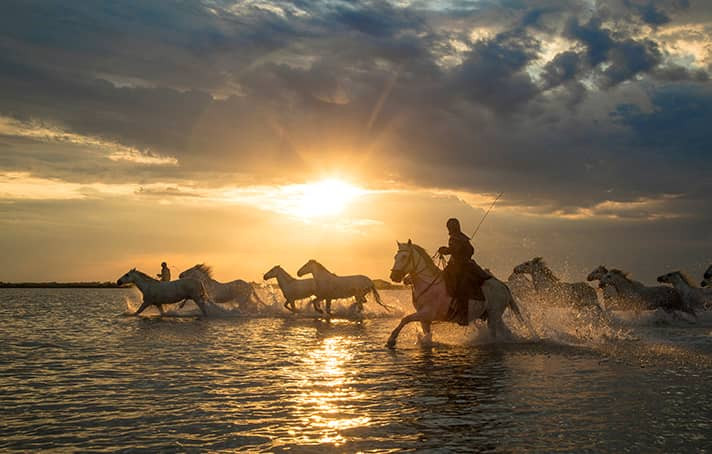
But Arles is also the threshold to the Camargue — a vast and untamed plain of lagoons, salt flats, and wetlands. Travelers come here in search of authenticity and freedom, where white horses, pink flamingos, and black bulls roam freely.
It is a land that is both harsh and poetic, where guardian traditions meet unspoiled nature, offering a unique and moving experience.

The Symbol of the Camargue: Emblem of a Strong Identity
The Symbol of the Camargue, also known as the Camargue Cross, embodies the core values of this singular region. Created in 1926 by the painter Hermann-Paul, based on an idea by Marquis Folco de Baroncelli, it brings together three powerful elements:
- the gardians’ cross, representing faith,
- the fishermen’s anchor, symbolizing hope,
- and the heart of the Arlésiennes, expressing charity.
This spiritual triptych reflects the moral and cultural strength of the people of the Camargue — deeply rooted in their land, their traditions, and their sense of solidarity.
You’ll find the symbol carved in stone, displayed on walls, or worn as jewelry — a proud affirmation of identity.

History
Arles bears witness to over two millennia of history, shaped by the grandeur of ancient Rome. Its arenas, a majestic 1st-century amphitheater, once hosted gladiator combats and today remain a vibrant venue for ferias and public festivities. The ancient theater, even older, once echoed with Latin tragedies and still comes alive with performances. Then there are the Alyscamps, one of Antiquity’s most renowned necropolises — a hauntingly beautiful avenue lined with sarcophagi, steeped in mysticism. These monuments narrate the story of a crossroads city, where Latin, Christian, and Provençal cultures converge.
Textiles & Traditions
The recently renovated Museon Arlaten offers a rich introduction to local craftsmanship and Provençal daily life, showcasing a vast collection of traditional garments, hand-printed fabrics, lace headpieces, and intricate embroidery. The museum retraces the evolution of regional costumes, household practices, and festive rituals.
For those wishing to admire — and take home — textiles inspired by this heritage, Arles offers several must-visit addresses:
- Souleiado, the emblematic boutique of sun-drenched Provençal prints,
- Les Indiennes de Nîmes, known for their vintage-style cottons,
- and La Maison du Costume Arlésien, where the art of traditional women's costume lives on with rigor and passion.
These places invite you to leave with a piece of living heritage from the land of Arles.
Gastronomy
- Don’t miss the Arles Market (Wednesdays & Saturdays), brimming with local flavors: olives, rice, tapenades, and artisanal Camargue charcuterie — a delicious taste of the terroir.

An icon of elegance and tradition
Where to Stay: The Most Beautiful Hotels in the Camargue
Hôtel Estelle – Picturesque Charm
Located in Les Saintes-Maries-de-la-Mer, this 4-star hotel is a peaceful haven with authentic Camargue character. Tucked at the end of a reed-lined path, each room opens onto a private terrace overlooking the étang (pond). The ambiance is serene — a refined mix of rustic charm and understated luxury.
Rates from €250 per night.
Villa Mazarin – Elegance Within the Ramparts
Set in the historic center of Aigues-Mortes, Villa Mazarin offers a refined and luxurious atmosphere. This 17th-century mansion features a spa, a swimming pool, and rooms furnished with exquisite taste.
Perfect for a romantic getaway in this beautifully preserved fortified town.
From €220 per night.
Mas de la Fouque – Spirit of the Gardian
For lovers of tradition and wild landscapes, this iconic property near Les Saintes-Maries immerses guests in the world of the Camargue's legendary horsemen. Expect roaming horses, a nature-inspired spa, and stilted cabins that blend seamlessly with the wetlands — a journey within the journey.
Prices start at €300 depending on the season..

Mas de la Fouque
Where to Eat Well in the Camargue
Le Jardin des Arts (Arles)
A flower-filled terrace, bohemian atmosphere, and creative cuisine that blends Camargue terroir with modern flair.
Budget: approx. €45–60 per person.
Chez Vincent (Aigues-Mortes)
A beloved local institution. Enjoy bull stew (gardianne de taureau), garlicky tellines (tiny clams), and Camargue rice. Generous portions and authentic regional cooking guaranteed.
Budget: €30–40 per person.
El Campo (Les Saintes-Maries-de-la-Mer)
Gipsy vibes, live music, and bull méchoui to share under string lights — a festive and flavorful experience.
Budget: €25–35 per person.
Chardon (Arles)
A chef-driven bistro with a short seasonal menu, locally sourced ingredients, and Franco-Mediterranean inspiration. Minimalist yet warm setting.
Budget: €50–70 per person.
La Gueule du Loup (Arles)
A cozy, intimate dining room and market-fresh dishes. A local favorite known for its authenticity and soul.
- Budget: approx. €35–50 per person.

Chez Vincent
Responsible Horseback Riding in the Camargue
Domaine de la Palissade
A protected natural site offering small-group horseback rides through lagoons and sansouïres (salt-tolerant marshes). Full respect for both the environment and the horses.
Budget: approx. €30–45 per person for a 1.5-hour ride.
Crin Blanc
An equestrian center dedicated to preserving the Camargue horse breed. Passionate, well-trained guides lead visitors through respectful and immersive experiences.
Budget: €35–50 per person, depending on duration and season.
Manade Raynaud (For Experienced Riders)
Live a true Camargue adventure alongside local gardians. Take part in cattle herding across the wide open plains.
- Budget: approx. €60–80 per person for a half-day immersion.

Wildlife Watching: The Best Spots in the Camargue
The Camargue is one of Europe’s greatest biodiversity sanctuaries. To observe pink flamingos, egrets, nutrias, or wild bulls, here are a few must-visit locations:
Pont de Gau Ornithological Park
Perfect for families — easily accessible, with well-maintained trails and observation huts. A great place to observe birdlife up close in a welcoming setting.
La Capelière
Located within the Camargue National Reserve, La Capelière is an interpretive center offering several immersive walking trails through the region’s characteristic landscapes.
Paths lead visitors into reed beds, salt marshes, and lagoons, where they may encounter flamingos, herons, storks, and more. Discreet bird hides and educational signage along the way help explain the ecosystem’s delicate balance between fresh and salt water.
An ideal spot to deepen your understanding of Camargue’s fragile yet rich natural heritage.
Marais du Vigueirat
- Managed by the Coastal Conservancy, this site strikes an excellent balance between public accessibility and ecosystem preservation. A variety of trails and guided tours offer authentic immersion into the wetlands.

Camargue Fleur de Sel: A Crystalline White Treasure
Camargue fleur de sel is a marvel of purity — a delicate salt bloom harvested from the surface of salt ponds when the sun, wind, and humidity align perfectly. In Aigues-Mortes, this artisanal tradition dates back to Roman times.
Sauniers (salt workers), with their ancestral know-how, gently skim the light crystals that never touch the bottom of the basins. Unlike Guérande fleur de sel, which is grayer and more humid due to the clay soil of the Atlantic marshes, Camargue fleur de sel is bright white, thanks to sandy beds and a dry, sun-drenched climate.
Texture & Taste: Light, Crunchy, and Subtly Salty
Gustatorily, Camargue fleur de sel offers a drier, crispier texture with a more subtle salinity and an airy crunch. It is called a “fleur” (flower) because it only forms at the surface — like a fleeting bloom, as rare as it is delicate.
Why Is the Water Pink? The Magic of Micro-Algae
The stunning pink hue of the Camargue salt ponds comes from a micro-algae called Dunaliella salina. In high-salinity environments, this algae produces beta-carotene, an orange pigment that protects it from intense sunlight — which in turn tints the water in shades of pink.
The higher the salt concentration, the deeper the color. In Aigues-Mortes, this natural spectacle is especially striking, as the pink waters contrast dramatically with the dazzling white crystals of fleur de sel.
Why Flamingos Are Pink
This same micro-algae is also the secret behind the elegant pink plumage of flamingos. By filtering salty water to feed on tiny organisms, flamingos absorb carotenoid pigments (like beta-carotene), which are gradually deposited in their feathers — giving them their iconic rosy hue, emblematic of the Camargue.
How to Use Camargue Fleur de Sel
Fleur de sel is a finishing salt, not meant for cooking but for enhancing dishes at the very end.
Sprinkle it over grilled meats, roasted vegetables, fresh fish, or even desserts — like salted butter caramel — to add crunch, depth, and a touch of minerality.

Spotlight on a Local Culinary Ambassador: La Maison Méditerranéenne des Vins
Our partner, La Maison Méditerranéenne des Vins, has been championing Mediterranean wines and artisanal products for over 20 years. Based in Provence, this collective brings together winemakers, olive oil producers, tapenade artisans, and local herb growers in a true spirit of cooperation.
Their mission? To offer an authentic showcase of Southern terroirs — accessible to all those passionate about Camargue and Provençal gastronomy.

Bring Home a Taste of the Camargue: Local Gift Ideas
No trip to the Camargue is complete without a few gourmet treasures tucked into your suitcase. Here are some iconic products worth bringing back:
Camargue Rice
Grown between rice fields and wetlands, this local staple comes in white, red, or whole grain varieties — perfect for summer salads or slow-cooked dishes.
Camargue Gris Rosé
A light, fresh, and fruity wine with a pale, elegant hue. This typical varietal of the region pairs beautifully with Mediterranean cuisine and sunny moments.
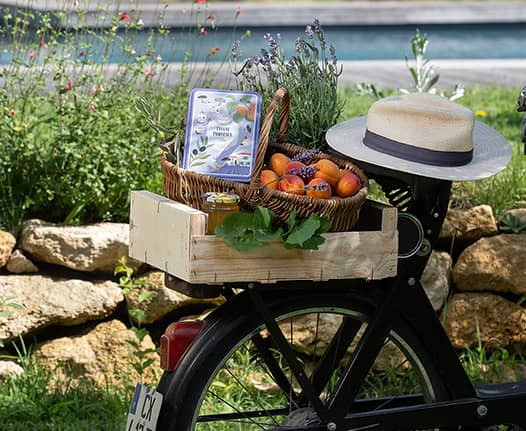
Arlésienne Herbal Infusion
A soothing, all-natural blend of chamomile, thyme, rosemary*, lavender*, natural apricot flavor*, and apricot***. Ideal for a wellness break with notes from the South of France.
Fleur de Sel from Aigues-Mortes & Flavored Camargue Salts
Choose from classic white salt flakes or flavored varieties with herbs, Espelette pepper, or citrus — perfect for enhancing any dish.
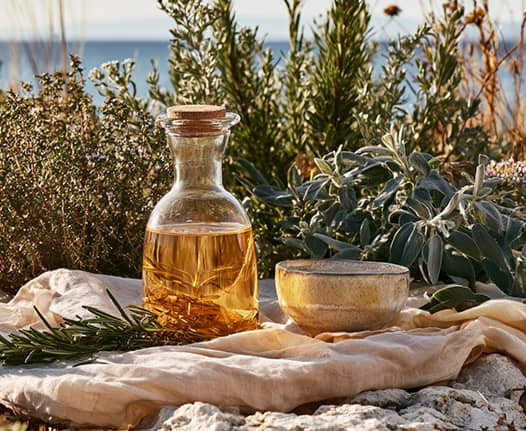
Herbes de Provence
Aromatic blends of thyme, savory, rosemary, and oregano used in traditional Provençal cuisine. Don’t miss the PGI Thyme, a mark of quality and origin.


Our Gift Box – Fleur de Sel & Herbes de Provence

Camargue Fleur de Sel – PGI
Organic Herbes de Provence grown in Provence:* Rosemary*, Thyme*, Oregano*, Savory*
All ingredients marked with an asterisk (*) are from organic farming.
Discover
Arlésienne Infusion

Chamomile, Thyme, Rosemary*, Lavender*, Natural Apricot Flavor*, and Apricot**
Discover