Hibiscus : bienfaits, infusion glacée et idées d’été
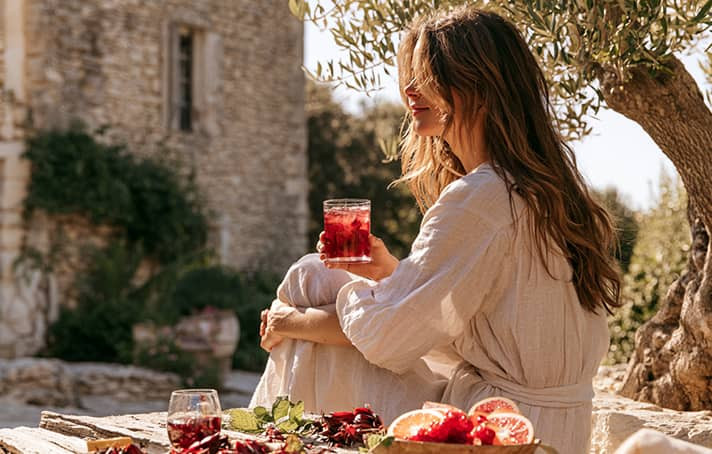
With its intense red colour and tangy note, hibiscus seems made for sunny days
With its intense red colour and tangy note, hibiscus seems to have been imagined for beautiful days. Enjoyed as a hot or iced infusion, it brings a spectacular colour, fruity freshness and that little liveliness that awakens summer carafes. We love it in a steaming cup, but it reveals another facet when served cold, with ice cubes, citrus fruits, red fruits or a few mint leaves.
Very present in traditional drinks such as bissap or karkadé, hibiscus travels across cultures with the same sensory promise: a generous, botanical, colourful drink that is easy to share. At Provence d’Antan, it belongs to the world of infusions elaborated in France, between tasting pleasure, naturalness and summer rituals.
Hibiscus is a flower highly appreciated in infusion for its intense red colour and tangy taste. It can be enjoyed hot or iced, on its own or combined with citrus fruits, red fruits, mint or peach. In summer, it makes it possible to prepare a colourful, fresh and convivial drink, with or without alcohol. Like any plant, it should be consumed with discernment, particularly in cases of pregnancy, medical treatment or doubt.

Why is hibiscus so appreciated as an infusion?
What are the benefits of hibiscus?
What does hibiscus infusion taste like?
How do you prepare hibiscus infusion hot or iced?
How can you enjoy hibiscus as part of a summer ritual?
Indulgent or botanical pairings with hibiscus
Hibiscus, bissap and karkadé: what are the differences?
Precautions to know
Key points
FAQ about hibiscus infusion
Why is hibiscus so appreciated as an infusion?
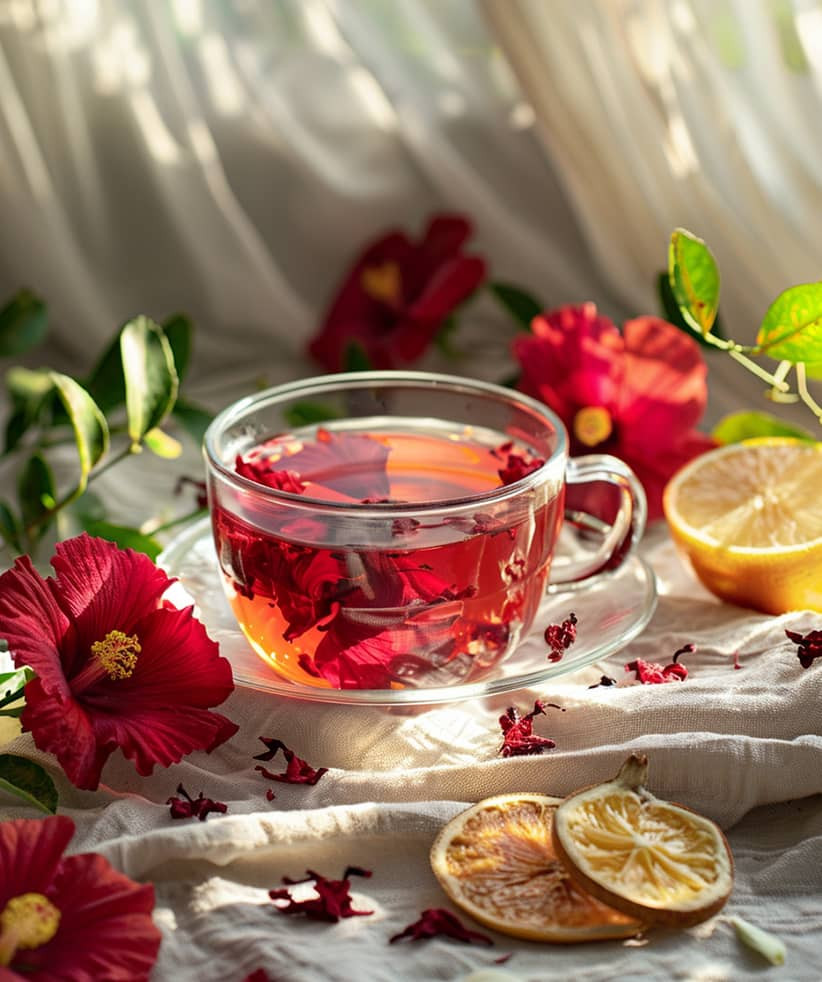
Hibiscus first appeals through its colour. From the very first minutes of infusion, the water takes on a ruby-red hue, sometimes almost garnet, immediately making you want to serve the drink in a clear cup or transparent carafe.
But hibiscus is not only beautiful. It also has a very recognisable taste personality: a tangy, fruity, lively note, sometimes reminiscent of red fruits or redcurrant. This natural freshness makes it an ideal base for summer drinks, iced infusions, alcohol-free aperitifs and carafes to share.
It is also highly versatile. On its own, it creates a bold and colourful drink. Combined with fruits, it becomes more indulgent. With citrus fruits, it gains brightness. With mint, it becomes fresher. With peach, it takes on a softer, sunnier character.
What are the benefits of hibiscus?
Hibiscus, or Hibiscus sabdariffa, is often sought after for its benefits as an infusion. Its flowers, recognisable by their intense red colour and tangy taste, are traditionally used in many botanical drinks, such as bissap or karkadé.
According to the uses attributed to hibiscus flower, several benefits may be mentioned: renal elimination of water, drainage of the body, circulation in the microvessels, sensations of heavy legs, as well as digestive and intestinal comfort.
As always with plants, these benefits should be understood within the context of reasonable consumption, a varied diet and a balanced lifestyle. Hibiscus infusion does not replace medical advice or suitable care in cases of persistent disorders.
Hibiscus and water elimination
Hibiscus is used to improve renal elimination of water and help support the body’s elimination functions. It is also traditionally associated with body drainage.
In summer, this aspect may echo discomfort linked to heat, long days spent standing or periods when one feels a greater need for freshness and lightness. A hibiscus infusion, hot or iced, can therefore be included in a more botanical drinking routine, without replacing water, which remains essential.
Hibiscus and circulation
Hibiscus flower is also associated with good blood circulation in the microvessels. It is traditionally used to accompany sensations of heavy legs.
This approach is particularly interesting in summer, when heat, travel or long periods spent standing may create a feeling of discomfort. A hibiscus infusion can then find its place in an end-of-day ritual, alongside simple gestures: drinking regularly, walking gently, seeking coolness and raising the legs if needed.
Hibiscus and digestion
Hibiscus is also associated with supporting gastrointestinal health. It helps support digestion, contributes to optimal digestive comfort and helps maintain normal intestinal functions.
Its tangy, almost fruity taste makes it a pleasant infusion after a meal, especially when served chilled in summer. It can accompany the end of a meal, a lunch in the sun or a lighter pause after a generous meal.
Hibiscus and summer drinks
Beyond its well-being uses, hibiscus remains a very interesting plant for summer drinks. Its intense red colour, tangy taste and ability to be enjoyed cold make it an ideal base for iced infusions, summer carafes and alcohol-free aperitifs.
With red fruits, orange, lemon, mint or peach, hibiscus creates a fresh, botanical and convivial drink. With no added sugar, it can also become a pleasant alternative to classic sweetened drinks, in a spirit of pleasure and moderation.
Indicative dosage of hibiscus as an infusion
The table indicates use as an infusion with 1.5 g of crushed hibiscus flower, over which boiling water is poured, before filtering after 5 to 10 minutes.
For a cold tasting experience, it is possible to prepare a concentrated infusion, let it cool, then pour it over ice cubes with citrus slices or a few fresh fruits.
What does hibiscus infusion taste like?
Hibiscus infusion has a tangy, fruity and slightly lively taste. It is not sweet in the classic sense: it has relief, a beautiful tension on the palate and a personality that awakens the taste buds.
This is why it pairs very well with rounder or fresher ingredients. Peach softens its character. Red fruits extend its indulgence. Orange brings a sunny touch. Lemon enhances its brightness. Mint adds immediate freshness.
In an iced version, hibiscus becomes particularly interesting: the cold highlights its liveliness and colour, while making the tasting experience lighter.
How to prepare hibiscus infusion hot or iced
Preparing hot hibiscus infusion
For a hot cup, pour very hot water over hibiscus or over a blend that contains it. Leave to infuse for around 6 to 8 minutes, depending on the desired intensity.
The longer the infusion, the deeper the colour and the more tangy the taste. For a softer cup, you can add a little honey, a slice of orange or a hint of red fruits.
Preparing iced hibiscus infusion
For a quick iced version, prepare a concentrated infusion with a small amount of hot water. Leave to infuse for 6 to 8 minutes, then pour directly over a large quantity of ice cubes. Top up with very cold water.
Then add, according to your preference:
orange slices;
a few red fruits;
pieces of peach;
mint leaves;
a dash of lemon;
a little sparkling water for an aperitif version.
This method makes it possible to quickly obtain a colourful, fresh and highly visual summer drink.
Preparing hibiscus cold
Hibiscus can also be infused slowly in cold water. Place it in a carafe of fresh water, then leave to infuse for several hours in the refrigerator. The result is often softer, less intense, but very pleasant for a drink prepared the day before.
How to enjoy or use it as part of a summer ritual
Hibiscus lends itself perfectly to summer rituals.
In the morning, it can be prepared cold in a carafe, with a few citrus fruits, to accompany a bright breakfast.
In the afternoon, it becomes a refreshing pause, served with ice cubes and red fruits. It is a lovely alternative to sodas or very sweet drinks, especially when you want something simpler and more botanical.
At snack time, it pairs with a fruit salad, a peach tart, almond biscuits or a few fresh fruits.
As an alcohol-free aperitif, it can be served in a tall glass with sparkling water, a slice of orange and a mint leaf. Its colour immediately gives a festive impression.
It can also be used in cooking, in a fruity vinaigrette to accompany a watermelon, feta, cucumber or heirloom tomato salad. A concentrated hibiscus infusion, cooled then mixed with olive oil, brings a very original tangy touch.
Indulgent or botanical pairings with hibiscus
Hibiscus and red fruits
This is the most obvious pairing. Strawberry, raspberry, blackcurrant, redcurrant or cherry extend the fruity dimension of hibiscus and enhance its indulgent side. Discover the Hibiscus Raspberry infusion
Hibiscus and orange
Orange brings roundness and a sunny sensation. As an iced infusion, this duo works very well for summer carafes. With the Envoûtante infusion in loose format, it is perfect to infuse in a carafe for a visual and taste effect.
Hibiscus and lemon
Lemon accentuates the liveliness of hibiscus. It is a very fresh pairing, ideal when the weather is hot. Discover our Côte d’Azur herbal tea
Hibiscus and mint
Mint brings immediate botanical freshness. With hibiscus, it creates a very pleasant alcohol-free drink for aperitif moments.
Hibiscus and peach
Peach softens the natural acidity of hibiscus. The result is rounder, fruitier, perfect for snack time or an end-of-afternoon drink.

Hibiscus and ginger
Ginger adds a lively and lightly spiced note. This pairing is suited to lovers of drinks with character. Discover our Rhubarb, Ginger & Strawberry infusion
Hibiscus, bissap and karkadé: what are the differences?
The word hibiscus refers to the plant used in infusion, notably the dried calyces of Hibiscus sabdariffa in the best-known preparations.
Bissap is a very popular traditional drink in West Africa, prepared from infused hibiscus, often served cold and sometimes enhanced with mint, ginger or sugar depending on family recipes.
Karkadé, also written carcadé, also refers to a hibiscus-based drink, known in several countries of North Africa, the Middle East and around the Mediterranean basin.
These drinks show just how closely hibiscus is associated with moments of warmth, conviviality and sharing.
Cocktail idea: hibiscus-infused gin
Hibiscus is not limited to hot or iced infusions. Thanks to its intense colour and tangy profile, it can also become a surprising ingredient for creating an original summer cocktail. Gin, with its botanical and aromatic base, infuses very well with certain plants such as hibiscus. In just a few hours, it takes on a pink, almost ruby hue and a very elegant floral-fruity note.
The result: a fresh-looking, feminine and festive cocktail, perfect for an aperitif in the sun, an evening with friends or a slightly more sophisticated summer table.
How to prepare hibiscus gin
Pour gin into a clean jar or bottle, then add a small quantity of dried hibiscus or an infusion containing a generous proportion of hibiscus. Leave to infuse cold for at least 24 hours, away from light, so that the gin takes on colour and absorbs the tangy note of the plant.
Filter carefully before use.
To serve, pour the hibiscus-infused gin into a glass filled with ice cubes, add a well-chilled tonic or sparkling water, then finish with a slice of lemon, a few red fruits or a thin slice of orange.
Why does it work?
Hibiscus brings a spectacular colour and tangy freshness that balances the botanical character of gin beautifully. Visually, the cocktail takes on a very appealing pink hue, ideal for a summer aperitif. On the palate, the whole remains fresh, floral, fruity and lightly lively.
It is a beautiful way to bring hibiscus into the world of homemade cocktails, with a Provence d’Antan touch: creative, botanical, elegant and unexpected.
Enjoy in moderation. Alcohol abuse is dangerous for your health.

Precautions to know
Like all plants, hibiscus should be consumed with discernment. An occasional infusion as part of a varied diet does not have the same meaning as excessive or very regular consumption.
In cases of pregnancy, breastfeeding, medical treatment, known health condition, particular blood pressure concerns, allergy or doubt, it is recommended to seek advice from a healthcare professional before regular consumption.
For children, it is preferable to check the exact composition of the infusion and seek advice in case of doubt.
Hibiscus can have a naturally tangy taste. People sensitive to acidic drinks may prefer to pair it with softer fruits or consume it more diluted.
Key points
FAQ — Hibiscus as an infusion
What are the benefits of hibiscus?
Hibiscus is traditionally appreciated as an infusion for its intense colour, tangy taste and place in refreshing drinks. It can accompany a more varied drinking routine, especially in summer, without being presented as a health solution.
How do you prepare hibiscus infusion?
Pour very hot water over hibiscus or over the blend that contains it, then leave to infuse for around 6 to 8 minutes. For an iced version, prepare a concentrated infusion, pour it over ice cubes and top up with fresh water.
Can hibiscus be enjoyed cold?
Yes, hibiscus is very well suited to cold and iced infusions. Its intense red colour and tangy taste make it an excellent base for summer carafes, alcohol-free drinks and fresh aperitifs.
What is the difference between hibiscus, bissap and karkadé?
Hibiscus is the plant used in infusion. Bissap and karkadé are traditional drinks prepared from hibiscus, often served cold, with variations depending on the country and recipe.
What can hibiscus be paired with in infusion?
Hibiscus pairs very well with red fruits, orange, lemon, mint, peach or ginger. These combinations make it possible to create a drink that is fruitier, fresher or more spiced.
Does hibiscus contain theine?
Hibiscus on its own does not contain theine. However, if the infusion also contains green tea, black tea or white tea, it may contain theine. It is therefore important to check the composition.
Can you drink hibiscus infusion every day?
Hibiscus infusion can be included in a varied routine, depending on individual sensitivity. In cases of pregnancy, breastfeeding, medical treatment, particular blood pressure concerns or doubt, it is recommended to seek advice from a healthcare professional.
Does hibiscus help with water elimination?
Hibiscus is used to improve renal elimination of water and help support the body’s elimination functions. It can be included in a varied drinking routine, without replacing water or a balanced diet.
Is hibiscus useful in cases of heavy legs?
Hibiscus flower is traditionally associated with good blood circulation in the microvessels and sensations of heavy legs. In hot weather or after a long journey, it can accompany an end-of-day ritual, alongside simple gestures such as walking, drinking regularly and seeking coolness.
Does hibiscus help digestion?
Hibiscus helps support digestion and contributes to maintaining normal intestinal functions. Its tangy taste makes it a pleasant infusion after a meal, hot or cold depending on the season.
How much hibiscus should be used in infusion?
The indicative dosage is 1.5 g of crushed hibiscus flower. Pour boiling water over the plant, leave to infuse for 5 to 10 minutes, then filter before tasting.