


Infusion in Vinaigrette: the fresh idea that changes everything in summer recipes
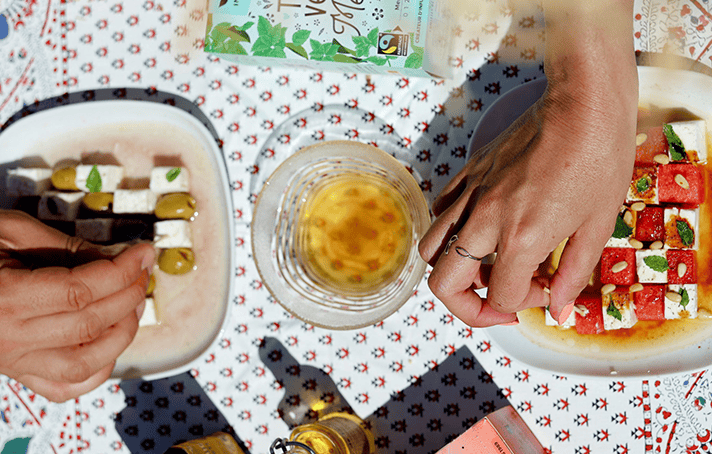
What if infusion left the cup and found its way onto the plate? In summer, when lunches stretch out under the sun and tables fill with ripe fruits, fresh cheeses, herbs and olive oil, a concentrated infusion can become a surprising base for creating a light, botanical vinaigrette full of character.
The principle is simple: prepare a more intense infusion than usual, let it cool, then combine it with a beautiful olive oil, a few grains of salt, pepper and sometimes a touch of lemon or honey. In just a few steps, it awakens a salad, accompanies burrata, enhances feta or gives an unexpected signature to a summer aperitif.
At Provence d’Antan, infusions elaborated in France lend themselves wonderfully to these culinary ideas: fruity, herbaceous, floral or spiced, they open up a new way to cook with plants.
- Why use an infusion in vinaigrette?
- How to prepare an infusion vinaigrette
- Which infusion should you choose according to the recipe?
- Recipe 1: feta, olive and Rhubarb, Ginger & Strawberry infusion vinaigrette checkerboard
- Recipe 2: watermelon, feta and Green Tea Mint vinaigrette checkerboard
- Recipe 3: peach, burrata and Tisane Arlésienne vinaigrette
- How to use infusion in cooking as part of a summer ritual
- Indulgent or botanical pairings
- Precautions and tasting advice
- Key points
- FAQ
Why use an infusion in vinaigrette?
Infusion in vinaigrette is a simple yet highly effective idea. It brings a botanical signature to a recipe without weighing it down. Where vinegar can sometimes dominate, infusion offers a more delicate nuance: a fruity note, mentholated freshness, a floral touch, herbaceous depth or a lightly spiced accent.
It is also an original way to showcase infusions beyond hot or iced tasting. In cooking, they become allies for creating light sauces, summer dressings, gentle marinades or finishing touches for cold dishes.
Infusion works particularly well with summer recipes:
summer fruit and vegetable salads;
feta;
burrata;
mozzarella;
heirloom tomatoes;
watermelon;
peaches;
olives;
fresh herbs;
grilled vegetables;
aperitif boards.
Its appeal is also visual and sensory. An infusion with hibiscus or red fruits can give a vinaigrette a pink hue. A mint infusion brings an immediate impression of freshness. A composition with thyme, rosemary or lavender evokes southern herbs and meals enjoyed outdoors, beneath a still-warm light.
How to prepare an infusion vinaigrette
The base is very easy to master. Simply prepare a concentrated infusion, then use it as the liquid element in the vinaigrette.
The basic method
Infuse one sachet or one dose of loose infusion in around 80 to 100 ml of hot water.
For a herbal tea or fruity infusion, use water at 95–100°C and leave to infuse for 6 to 8 minutes.
For green tea, use water at 75–85°C and leave to infuse for 2 to 3 minutes to avoid bitterness.
Let it cool for a few minutes.
In a bowl, mix:
2 tablespoons of concentrated infusion;
3 to 4 tablespoons of olive oil;
a pinch of salt;
a few turns of freshly ground pepper;
optionally, a few drops of lemon or a small touch of honey.
Whisk lightly before pouring over the recipe.
The right balance
The infusion brings nuance. Olive oil gives body. Salt reveals flavours. Pepper adds relief. Lemon or honey can be used to adjust the recipe: brighter, rounder or more indulgent.
For a very juicy salad, such as watermelon and feta, it is best to keep the vinaigrette fairly concentrated. For a creamier plate, such as peach and burrata, a softer and more generous vinaigrette works very well.
Which infusion should you choose according to the recipe?
Not all infusions tell the same story in cooking. The choice depends on the main ingredient and the atmosphere you want to create.
For a fruity recipe
Choose an infusion with red fruits, strawberry, rhubarb, peach or hibiscus. It will work very well with feta, watermelon, tomatoes, summer fruits or fresh cheeses.
For a very fresh recipe
A mint infusion or green tea with mint will bring an immediate impression of freshness. It is ideal with watermelon, cucumber, feta, citrus fruits or crunchy salads.
For a Provençal recipe
An infusion combining thyme, rosemary, lavender, chamomile or apricot will bring a more Mediterranean signature. It will pair beautifully with burrata, peaches, heirloom tomatoes, grilled vegetables or grain salads.
For a more spiced recipe
An infusion with ginger or lightly lively notes can give character to a vinaigrette. It works well with recipes featuring feta, olives, roasted carrots, chickpeas, cold chicken or grilled vegetables.
Recipe 1: feta, olive and Rhubarb, Ginger & Strawberry infusion vinaigrette checkerboard
The aperitif checkerboard is a simple and spectacular idea for summer tables. It is all about playing with shapes, colours and contrasts. In this first version, feta and olives create a fresh, savoury plate, awakened by a vinaigrette made with Rhubarb, Ginger & Strawberry infusion.

Prepare a concentrated infusion with one sachet in around 100 ml of hot water. Leave to infuse for 6 to 8 minutes, then let it cool slightly.
In a bowl, mix two tablespoons of infusion with a generous drizzle of olive oil. Add a little pepper and, if needed, a touch of salt depending on the feta chosen.
Arrange the feta cubes and olives in a checkerboard pattern on a plate. Drizzle with the infusion vinaigrette, then add a few fresh herbs.
Why does it work?
Strawberry brings a fruity sensation, rhubarb a lively edge, and ginger a lightly spiced lift. With feta and olives, the sweet-savoury contrast becomes very indulgent, perfect for an aperitif in the sun.
Recipe 2: watermelon, feta and Green Tea Mint vinaigrette checkerboard
Watermelon and feta form an iconic summer duo. Watermelon brings juiciness, freshness and colour. Feta brings salt, softness and character. With a Green Tea Mint vinaigrette, the whole dish becomes even fresher, almost thirst-quenching.

Prepare a concentrated green tea with mint using water at 75–85°C. Leave to infuse for 2 to 3 minutes, then let it cool.
Mix two tablespoons of cooled tea with three tablespoons of olive oil, a few drops of lemon and a turn of freshly ground pepper.
Arrange the watermelon and feta cubes alternately to create a checkerboard. Pour over the Green Tea Mint vinaigrette, then add a few fresh mint leaves.
Why does it work?
Green tea brings a botanical base, mint enhances freshness, and lemon adds brightness. The vinaigrette lightens the whole dish and transforms a very simple recipe into a more crafted summer plate.
Recipe 3: peach, burrata and Tisane Arlésienne vinaigrette
Peach and burrata are one of summer’s most generous duos. On one side, the juicy, sun-filled flesh of the fruit. On the other, the creamy, melting heart of the burrata. To bring them together, a vinaigrette infused with Tisane Arlésienne, combining chamomile, thyme, rosemary, lavender and apricot.
This recipe tells the story of Provence: herbs, fruits, flowers, olive oil, and a table that is simple and beautiful.

Place the burrata in the centre of a large plate. Arrange peach wedges around it. You can keep them raw for freshness or gently sauté them for a few minutes to reveal more of their softness.
Then prepare a concentrated infusion with Tisane Arlésienne. Infuse one sachet in around 100 ml of water at 95–100°C for 6 to 8 minutes. Let it cool slightly.
Add a generous drizzle of olive oil to the cooled infusion, then mix to obtain a delicately botanical vinaigrette.
Open the heart of the burrata. Pour the infusion vinaigrette over the whole plate. Add a few turns of freshly ground pepper, a pinch of coarse salt, pine nuts and a few fresh basil leaves.
Why does it work?
Chamomile brings floral softness, thyme and rosemary a Provençal signature, lavender a delicate touch, and apricot a fruity roundness. With peach and burrata, the vinaigrette becomes a link between fruit, milk, herbs and sunshine.
How to use infusion in cooking as part of a summer ritual
Cooking with an infusion means slightly changing the way you look at the product. It is no longer used only to accompany a moment, but to build a recipe.
In summer, this gesture can become a small ritual:
choose an infusion according to the mood of the meal;
prepare it more concentrated;
let it cool gently;
open a beautiful olive oil;
taste, adjust, pour;
finish with fresh herbs or a few fruits.
It is intuitive cooking, very simple, almost Mediterranean in spirit. Nothing is fixed. An infusion vinaigrette can accompany a cold plate, a salad, grilled vegetables, an aperitif board or fresh cheese.
It also creates continuity between the drink and the plate: the infusion served iced in a carafe can also become the base of the vinaigrette. The same botanical universe then runs through the whole meal.
Indulgent or botanical pairings
Red fruit infusion, feta and heirloom tomatoes
A colourful, lightly tangy pairing, perfect with heirloom tomatoes, crumbled feta and a few basil leaves.
Hibiscus infusion, cucumber and mint
Hibiscus brings colour and liveliness. Cucumber and mint create a very fresh plate, ideal in the heat of summer.
Verbena infusion, peach and mozzarella
Verbena pairs beautifully with yellow fruits and fresh cheeses. It brings a soft, luminous lemony note.
Thyme-rosemary infusion, grilled vegetables and fresh goat’s cheese
A more Provençal pairing, perfect with grilled courgettes, aubergines, peppers and fresh cheese.
Ginger infusion, roasted carrots and chickpeas
Ginger brings a lively, lightly spiced touch. Excellent with more generous plant-based recipes.
Green Tea Mint, watermelon and feta
A very fresh combination, ideal for summer aperitifs, buffets and large shared tables.
The benefits of cooking with infusions, in all simplicity
Using an infusion in vinaigrette does not transform a recipe into a wellness dish in the medical sense. However, this gesture makes it possible to introduce more plants, fruits and herbs into everyday cooking.
It is a way to vary seasonings, sometimes reduce the place of heavier sauces, and bring flavour differently. A concentrated infusion adds a botanical nuance without excess, while remaining part of simple, homemade, seasonal cooking.
Plants such as verbena, mint, thyme, rosemary, chamomile and hibiscus are traditionally associated with various uses, but in a recipe, they should above all be considered as taste ingredients. They invite you to create a plate that is more expressive, fresher and more sensitive to the seasons.
Precautions and tasting advice
Infusions used in cooking should be chosen according to their composition. Some may contain tea and therefore naturally contain theine. Others may contain plants that are not recommended in certain situations.
In cases of pregnancy, breastfeeding, medical treatment, known health condition, allergy or doubt, it is recommended to check the composition and seek advice from a healthcare professional.
For a vinaigrette, it is best to use a freshly prepared infusion, then cooled. Once mixed with olive oil, it should be consumed quickly and kept refrigerated if not served immediately.
It is also recommended to taste before adding salt, especially when the recipe already contains feta, olives or aged cheese.
Key points
SEO Vinaigrette infusions
Can you use an infusion in a vinaigrette?
Yes, a concentrated infusion can be used in a vinaigrette. Simply prepare it stronger than a classic cup, let it cool, then mix it with olive oil, salt, pepper and optionally lemon.
Which infusion should you choose for a summer vinaigrette?
Fruity infusions, hibiscus infusions, verbena, mint, ginger, thyme and rosemary work very well. The choice depends on the recipe: fruity, fresh, Provençal, floral or spiced.
How do you make an infusion vinaigrette?
Prepare a concentrated infusion with 80 to 100 ml of water, let it cool, then mix two tablespoons of infusion with three to four tablespoons of olive oil. Add salt, pepper and a touch of lemon if needed.
Which infusion should be used with feta?
With feta, fruity infusions, Green Tea Mint, hibiscus, strawberry, rhubarb, ginger and citrus fruits work very well. They create a pleasant contrast with the salty side of the cheese.
What vinaigrette should you make with watermelon and feta?
A Green Tea Mint vinaigrette is ideal with watermelon and feta. It brings freshness, a botanical note and beautiful lightness to this summer recipe.
What vinaigrette should you make with peach and burrata?
A Tisane Arlésienne vinaigrette works very well with peach and burrata. The notes of chamomile, thyme, rosemary, lavender and apricot accompany the softness of the fruit and the melting texture of the cheese.
Can you prepare an infusion vinaigrette in advance?
It is best to prepare it shortly before serving. However, you can infuse the base in advance and keep it refrigerated for a few hours, then add the olive oil at the last moment.


